 St. Petersburg Window
 Windows Built for Seminole's Climate
Seminole sits in the middle of Pinellas County, close enough to the Gulf that salt air and coastal humidity reach every neighborhood, but far enough inland that homes still catch the full force of storm winds moving across the peninsula. That combination is hard on windows. Frames, seals, and glass here are working against hurricane-force gusts, intense year-round UV, wind-driven rain, and salt in the air almost every day of the year. A window that performs fine in a drier, calmer climate can start failing within a few years out here if it wasn't built or installed with this environment in mind.
We're a St. Petersburg-based crew that works throughout Pinellas County, including Seminole, and we install windows the way we'd want them installed on our own homes: correctly flashed, properly sealed, and matched to the wind and impact requirements that actually apply to this area. This page covers what we see in Seminole homes, what to look for before you replace your windows, and how our process works.
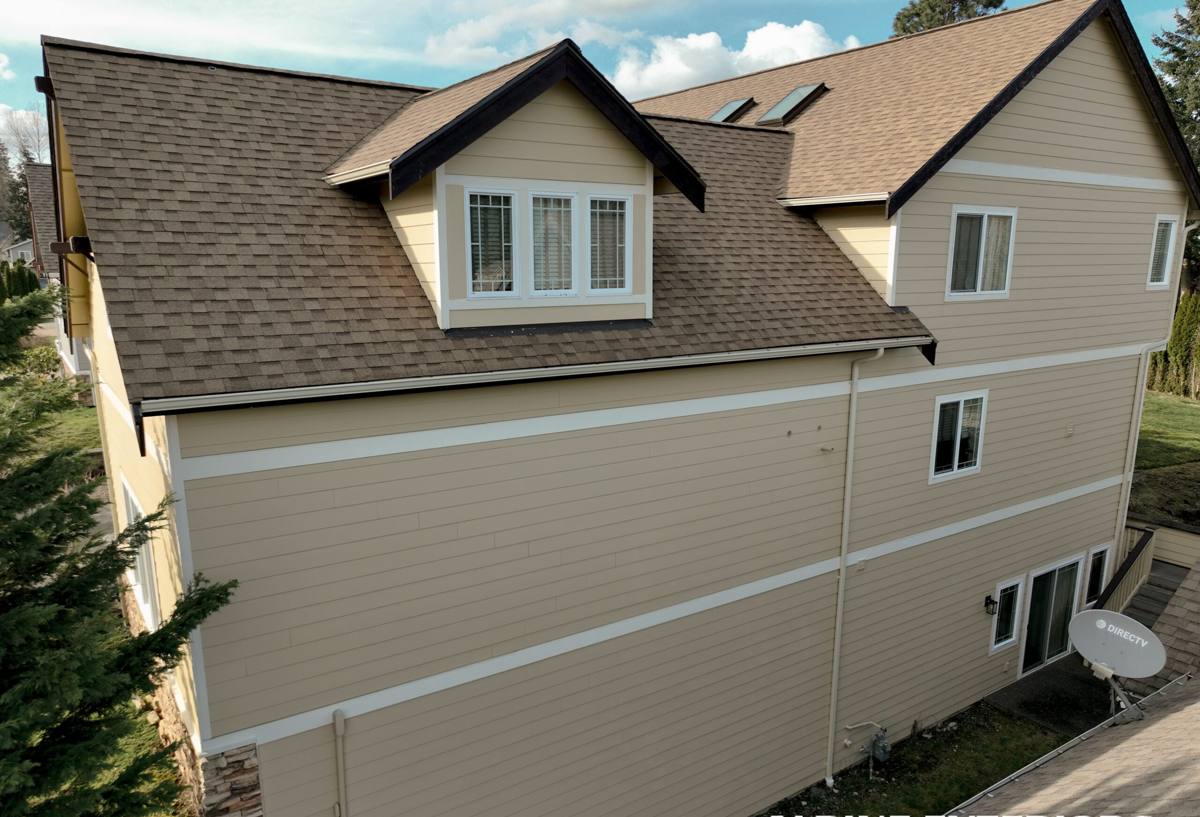
What Seminole Homes Face Year-Round
Wind and Storm Pressure
Even outside of a named storm, Pinellas County sees regular high-wind events, and Seminole is not sheltered from them. Wind doesn't just push against a window pane — it creates pressure differences that pull and flex the entire frame and its connection to the wall. Older windows, or windows installed without enough attention to fastening and sealant, tend to develop gaps at the frame edges over time. Once that happens, wind-driven rain finds its way in, even when the glass itself is intact.
UV and Heat
Florida sun is relentless, and west- and south-facing windows in Seminole take the brunt of it for most of the day. UV exposure breaks down vinyl frames, dries out old glazing compounds, and fades interior floors and furniture near the glass. Heat gain through older single-pane or poorly sealed windows also drives up cooling costs, which matters in a county where air conditioning runs nearly year-round.
Salt Air and Coastal Moisture
Being a short drive from the Gulf beaches means salt-laden air moves through Seminole regularly, even without a direct waterfront view. Salt accelerates corrosion on aluminum hardware, hinges, and fasteners, and it speeds up the breakdown of weatherstripping and sealants. Combined with Florida's humidity, this is part of why window components here tend to wear out faster than the same products would in a drier, inland climate.
Signs Your Windows Need Replacing
Not every window problem means a full replacement, but these are the signals that tell us it's time to take a closer look:
- Visible gaps, warping, or soft spots around the frame
- Windows that are difficult to open, close, or lock properly
- Fogging or moisture between double-pane glass — a sign the seal has failed
- Drafts or noticeable outside noise even when the window is shut
- Chalky, pitted, or corroded aluminum hardware
- Water staining on interior walls or sills after heavy rain
- A noticeable rise in cooling costs without another explanation
- Windows that predate current Florida Building Code wind requirements for your area
If you're seeing more than one or two of these, it's usually more cost-effective to replace than to keep patching individual windows one at a time.
Impact-Rated vs. Standard Windows in Pinellas County
Whether a home in Seminole needs impact-rated windows depends on its exact location relative to the coast and the county's wind-borne debris lines, along with the age and permitting history of the structure. We check the specific requirements for your address rather than assuming — but here's a general comparison of what each option means in practice:
| Factor | Impact-Rated Windows | Standard (Non-Impact) Windows |
|---|---|---|
| Glass construction | Laminated glass that stays intact when cracked, resisting penetration | Tempered or standard glass, no laminated interlayer |
| Storm protection needed | None required at the window itself | Usually requires separate shutters or approved panels |
| Upfront cost | Higher per window | Lower per window, but add shutter cost if required |
| Noise and UV reduction | Generally better, due to the laminated interlayer | Varies by glass package |
| Code compliance | Meets wind-borne debris requirements on its own | May require code-approved shutter system to comply |
| Insurance considerations | Can factor into wind mitigation discounts | Typically requires separate protective devices for the same credit |
Neither option is automatically "better" for every home — it depends on your budget, whether you want to deal with shutters during a storm, and what your specific property requires under current code. We'll walk through the honest trade-offs for your situation rather than push whichever option is more expensive.
Frame Material Options
Vinyl
Vinyl is the most common frame material we install in Pinellas County homes, and for good reason — it doesn't corrode from salt air, it doesn't need painting, and modern vinyl formulations hold up well against UV over time. It's a solid, budget-friendly choice for most Seminole homes.
Aluminum
Aluminum frames are strong and slim, which some homeowners prefer for a more modern look or larger glass area. The trade-off is that aluminum conducts heat more than vinyl and, without a quality finish, is more prone to corrosion in a salt-air environment. We use it selectively, in situations where it's the right fit.
Fiberglass
Fiberglass costs more upfront but resists warping, expansion, and corrosion extremely well, making it a strong long-term option for homeowners who want to minimize maintenance and are planning to stay in the home for many years.
We don't push one material for every job. What we won't do is install a frame system in a way that ignores how it will hold up against salt air and sun here — that's a maintenance headache and a warranty problem waiting to happen, regardless of which material it is.
Our Installation Process
Window failures in this climate usually trace back to installation, not the product itself. Our process is built around getting the details right:
- On-site assessment — we measure, check the existing framing and wall condition, and confirm what your address requires under current wind and impact code.
- Product selection — we go over frame material, glass package, and impact rating options based on your home, budget, and how the window is oriented to sun and wind.
- Removal and prep — old windows come out carefully, and we check the rough opening for rot, moisture damage, or framing issues before anything new goes in.
- Flashing and sealing — this is the step that determines whether a window leaks in five years or twenty. We flash and seal every opening to shed wind-driven rain, not just caulk around the edges.
- Fastening to spec — anchoring follows the manufacturer's installation instructions and local code, which is what actually gives a window its wind rating in the field, not just the glass itself.
- Final check and cleanup — we test operation, confirm a clean seal inside and out, and leave the site clean.
Permits, Codes, and Wind Mitigation in Pinellas County
Window replacement in Pinellas County generally requires a permit, and inspections confirm the work meets current Florida Building Code wind and impact standards for your location. We handle the permitting and inspection process as part of the job, so you're not left figuring out county requirements on your own.
It's also worth asking your insurance agent about a wind mitigation inspection after a window replacement. Upgrading to code-compliant, impact-rated, or properly protected windows can affect your windstorm insurance premium, and Pinellas County homeowners have real financial incentive to have that documented correctly. We can't guarantee what your insurer will credit, but we make sure the installation itself is done to the standard that makes those conversations possible.
Why a Local Crew Matters
A window installer who mostly works inland doesn't think the same way about flashing details, hardware corrosion, or code requirements as a crew that works in Pinellas County day in and day out. We're based in St. Petersburg and handle jobs across Seminole and the surrounding area regularly, so we already know the kind of wind exposure, salt air, and permitting process your project involves before we ever measure the first opening. That local familiarity shows up in the details — the sealant we use, how we flash a rough opening, and which frame materials we recommend for a house that sits a few miles from the Gulf.
It also means we're not disappearing after the install. If a question comes up during a storm season, or you want a follow-up check after a big blow, you're calling a crew that's still working in your neighborhood.
Windows Alongside Siding, Roofing, and Decks
Windows don't operate in isolation — they're tied into your siding, your roofline, and the overall building envelope of your home. Because we handle siding, roofing, windows, and decks, we can look at a Seminole home as a whole system rather than treating a window replacement as a separate, disconnected project. That matters most around trouble spots like a window near a roof valley, or siding that's already showing wear where it meets an old window frame — problems that are easier and cheaper to solve together than in separate visits from separate contractors down the road.
Get a Free, No-Pressure Estimate
If your Seminole home has windows that are drafty, hard to operate, fogged, or simply old enough that you're not sure they'd hold up in the next storm season, we're glad to come take a look. The estimate is free, there's no pressure to sign anything on the spot, and we'll give you a straight answer about what your home actually needs. Use the form below to get started.