 St. Petersburg Window
 Exterior Work Built for Snell Isle's Waterfront Exposure
Snell Isle sits closer to open water than most St. Petersburg neighborhoods, and that changes what a home's exterior has to deal with day in and day out. Waterfront and canal-front lots catch wind straight off Tampa Bay with little to break it up. Salt-laden air moves through screens, settles on glass, and works its way into metal fasteners and frames. Add in Pinellas County's intense sun exposure and the wind-driven rain that comes with our summer storm pattern, and you've got a combination that ages windows, roofing, siding, and decking faster here than it would a few miles inland.
We've worked on homes throughout St. Petersburg long enough to know that a house on a canal or open-water lot in Snell Isle isn't going to wear the same way as one in a shaded inland neighborhood. That shapes the products we recommend, how we detail flashing and sealants, and what we tell homeowners to expect from a maintenance schedule.
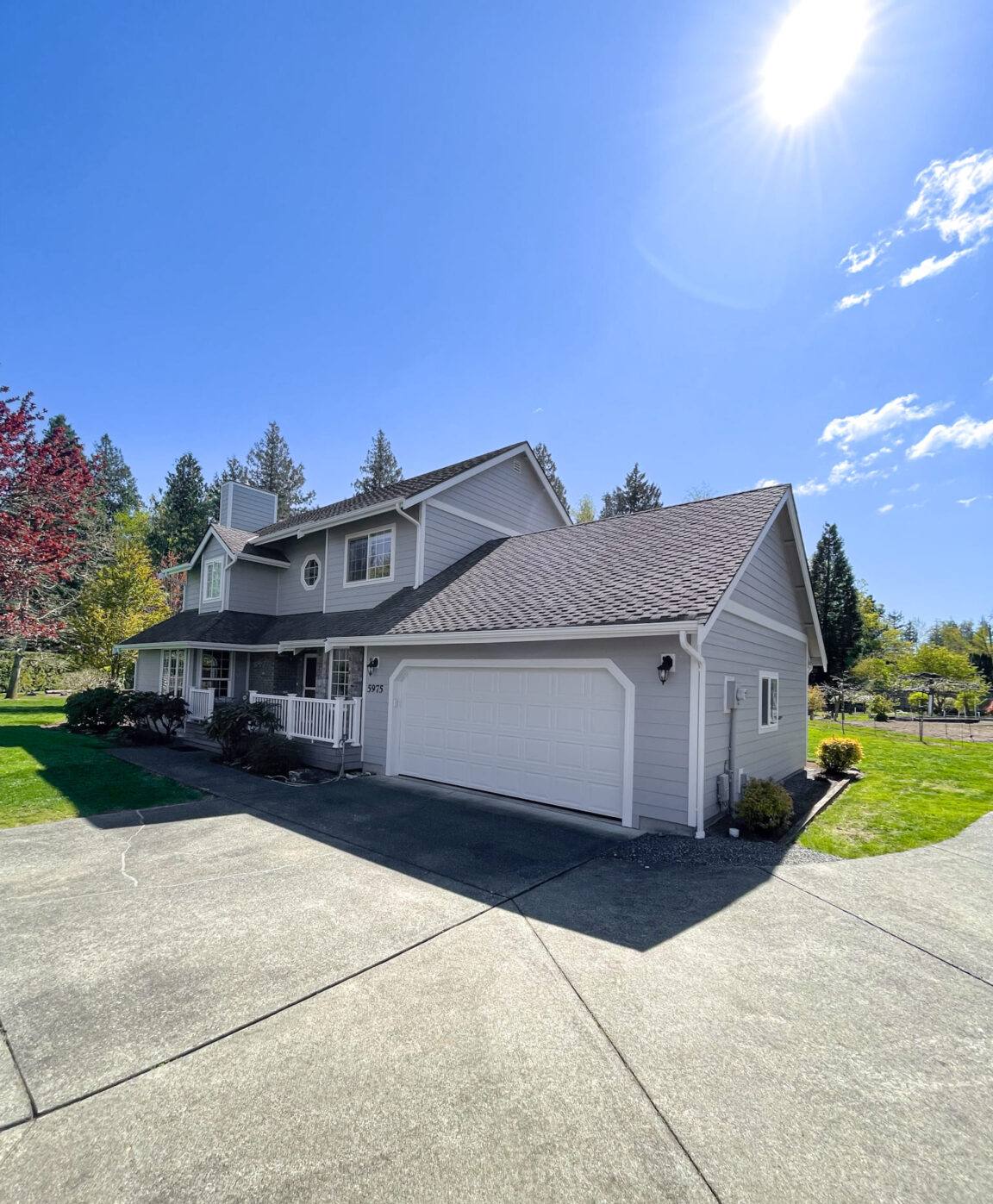
What Snell Isle Homes Are Up Against
Salt Air and Corrosion
Proximity to the water means airborne salt is a constant, not an occasional thing. Over time it can pit uncoated metal, degrade weaker sealants, and accelerate corrosion on hardware, fasteners, and lower-grade window frames. It doesn't ruin a well-built exterior overnight, but it does mean material choice and hardware quality matter more here than in a lot of other parts of the city.
Wind-Driven Rain
Open exposure to the bay means wind doesn't just blow past a house during a storm — it drives rain sideways into it. Windows, doors, and roof penetrations that would hold up fine in a light rain can leak under wind-driven conditions if flashing and installation weren't done correctly the first time. This is one of the most common root causes of "mystery leaks" we get called out to investigate on waterfront and near-waterfront properties.
UV and Heat
Florida sun is intense everywhere, but a home with open sightlines to the water often gets long, unbroken hours of direct exposure with less tree cover to shade windows and siding through the afternoon. That accelerates fading, breaks down caulk and sealant faster, and puts extra strain on window seals and glazing over the years.
Hurricane and High-Wind Risk
Snell Isle's location means it's directly in the path of tropical storm and hurricane exposure that Pinellas County deals with seasonally. Wind-borne debris, pressure changes, and sustained high winds are real design considerations, not hypotheticals, for any exterior work here.
Mature Trees and Landscaping
Many lots in this area have established, mature landscaping and tree canopy, which is part of the neighborhood's character but also means gutters, roofs, and siding deal with more organic debris, shade-related moisture retention, and occasional storm-related limb damage than a newer, more open subdivision would.
Windows: Impact Protection That Doesn't Sacrifice the View
A lot of Snell Isle homes are chosen specifically for their water views, so window replacement here is often as much about preserving sightlines as it is about protection. Impact-rated windows have come a long way — you don't have to choose between a code-compliant, storm-rated window and one that looks good and lets in natural light.
For a home with real wind and salt exposure, we generally steer homeowners toward:
- Impact-rated glass that meets Florida Building Code requirements for our wind zone, eliminating the need for separate shutters on those openings
- Corrosion-resistant frame materials and hardware suited to salt air, rather than budget hardware that will show wear within a few seasons
- Low-E coated glass to cut down on solar heat gain, which matters a lot on unshaded, water-facing elevations
- Properly detailed flashing and sealant work around every opening — this is where most leaks actually originate, not the window unit itself
We install correctly to manufacturer specs and Florida code, and we're upfront that the installation detail — flashing, fastening pattern, sealant, shimming — matters as much as the window product itself. A great window installed poorly will leak. A solid mid-tier window installed correctly usually won't.
Roofing for Wind and Salt Exposure
Roofs on Snell Isle homes take a compounding beating: UV breaks down roofing materials from above, salt air attacks metal components and fasteners, and wind uplift risk is higher on exposed waterfront lots than on sheltered inland ones. We pay close attention to:
- Fastening patterns and underlayment rated for higher wind exposure
- Flashing details at valleys, chimneys, and penetrations, where the majority of roof leaks start
- Material selection that holds up to salt air without accelerated corrosion on metal components
- Proper attic ventilation, which affects both shingle life and interior humidity in our climate
Roofing Material Considerations for Waterfront Lots
| Factor | Asphalt Shingle | Metal Roofing | Tile |
|---|---|---|---|
| Wind rating potential | Good with proper install | Excellent | Good, weight helps |
| Salt air durability | Moderate | Depends on coating/fastener quality | Very good |
| UV/heat performance | Moderate, can fade | Good, reflective options available | Very good |
| Typical lifespan here | 15-25 years | 30-50 years | 40-plus years |
| Upfront cost | Lowest | Higher | Highest |
There's no universally "right" choice — it depends on the home's architecture, budget, and how long the owner plans to stay in the house. We'll walk through the honest trade-offs for your specific roof rather than pushing one material across the board.
Siding That Handles Salt Air Without High Maintenance
Siding on a waterfront-exposed home has to deal with the same salt and UV load as the roof and windows, plus wind-driven rain intrusion at seams and penetrations. We look at moisture behavior behind the siding as much as the surface material itself — trapped moisture is what actually causes rot and mold problems, and it's often invisible until it's a bigger repair. Proper house wrap, flashing at windows and doors, and ventilation details behind the siding matter more than which brand of siding you pick.
We're selective about which siding systems we install, and that's a professional standard, not brand bias — some products are more installation-sensitive than others, meaning a small detailing mistake during install can cause moisture problems years down the road. We use systems where the moisture-management performance is consistent and well-documented, because a callback on siding usually means water already got behind it.
Decks Built for Waterfront Sun and Moisture
A lot of Snell Isle properties have decks, docks, or waterfront-facing outdoor living spaces that see near-constant sun and humidity, plus splash and spray in canal-front locations. Deck failures here are almost always a moisture or fastener problem, not a structural design problem. We focus on:
- Fasteners and hardware rated for coastal/salt exposure — standard hardware corrodes and stains decking faster than people expect
- Proper spacing and drainage so water doesn't sit on or under the deck boards
- Material choice matched to how much direct sun and moisture the specific deck location gets
- Ledger and structural connections detailed to resist wind uplift
Why a Local Crew Matters for This Kind of Work
Exterior work in a waterfront neighborhood like Snell Isle isn't the same job as the same scope of work five or ten miles inland. A crew that doesn't regularly work this close to the bay may not adjust their material choices, fastening schedules, or sealant details for the added wind and salt exposure — and that shows up as problems two or three years later, not on day one. Working throughout St. Petersburg and Pinellas County day to day means we're already familiar with local permitting requirements, current Florida Building Code wind and impact standards, and how homes in this specific type of exposure actually perform over time.
Being local also means we're accountable after the job is done. If something needs a follow-up look, we're not driving in from out of the area — we're already working in the neighborhood.
A Practical Pre-Storm-Season Checklist
Whether or not you're planning a project right now, these are worth checking on a Snell Isle home at least once a year, ideally before hurricane season ramps up:
- Check window and door seals for cracking, gaps, or soft caulk that needs to be redone
- Look at roof flashing around chimneys, vents, and valleys for lifted or corroded sections
- Inspect exposed hardware and fasteners on decks, railings, and siding trim for rust or corrosion
- Clear gutters and downspouts, especially under mature tree canopy
- Confirm any shutters, panels, or impact windows are fully functional and unobstructed
- Look for any soft spots, staining, or discoloration on siding that could indicate trapped moisture
How We Approach a Snell Isle Project
Every home on the water is a little different depending on lot orientation, elevation, existing construction, and how exposed it is to open wind. We start with an on-site look at the actual conditions your home faces — not a generic package — and give you straight answers about what's actually needed versus what's optional. Some homes need a full window or roof replacement; others just need better flashing and sealant work at a few trouble spots. We'll tell you which situation you're in.
If you're dealing with a leak, planning ahead for storm season, or just want an honest read on how your windows, roof, siding, or deck are holding up to the water exposure, we're happy to take a look. Reach out for a free, no-pressure estimate using the form below.