 St. Petersburg Window
 Living on St. Pete Beach Means Building Different
St. Pete Beach sits about as close to the Gulf as a Pinellas County neighborhood can get, and that location shapes everything about how a home should be built and maintained. Homes here don't face the same conditions as a house ten miles inland in St. Petersburg proper. The barrier island setting means more direct exposure to salt-laden air, more sustained wind loading off the open water, and a longer stretch of the year where UV intensity is simply higher than what standard residential materials were designed to handle decades ago. Windows take the brunt of a lot of this. They're the largest moving, sealing, weather-resisting assembly in most exterior walls, and on a barrier island they're working harder than almost anywhere else in the county.
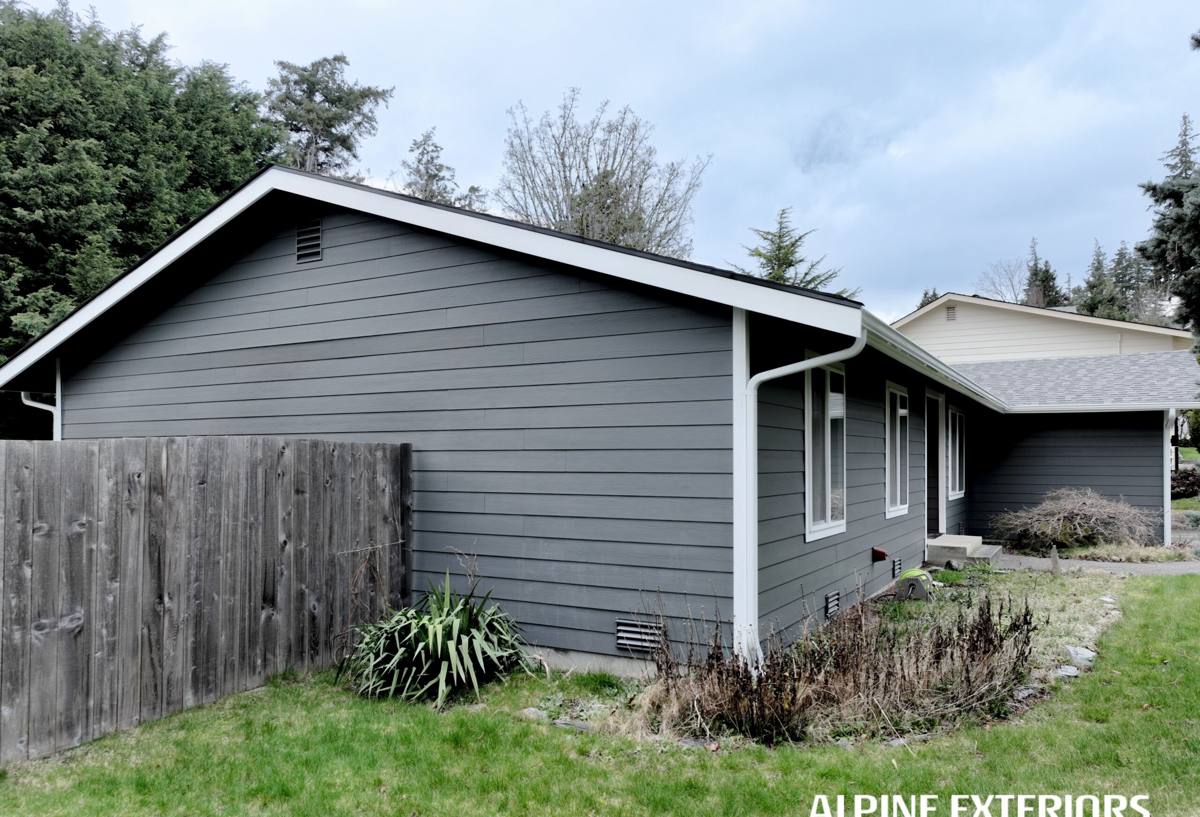
We install and replace windows throughout St. Pete Beach as part of our broader exterior work in the area, which also covers siding, roofing, and decking. We mention that because windows rarely fail in isolation on a coastal property — a compromised window seal often shows up alongside soffit staining, siding that's holding moisture, or a roof edge that's letting wind-driven rain in behind the fascia. Looking at the whole exterior, not just the glass, is how you actually solve the problem instead of patching one symptom.
What Actually Wears Out Windows Near the Gulf
Salt Air and Corrosion
Airborne salt doesn't just sit on the outside of the glass. It settles into hardware, tracks, and any exposed metal fasteners, and it works on them continuously — not just during storms. Aluminum window frames and hardware that aren't specifically rated for coastal exposure can pit and corrode years faster here than the same product would inland. Locks stick, rollers seize, and finishes chalk out. This is one of the most common reasons we get called out to St. Pete Beach homes for window service: not a dramatic failure, just years of slow salt exposure catching up with hardware that wasn't built for it.
Wind-Driven Rain
A window can be watertight in a light rain and still leak badly when wind pushes rain sideways and upward into the frame — which is a regular occurrence on an open barrier island. Wind-driven rain finds weak points in flashing, sealant, and installation detail that a garden-hose test would never reveal. Most of the water intrusion we find around older windows here isn't coming through the glass — it's coming through gaps at the frame-to-wall junction that were never properly flashed to begin with.
UV and Heat Cycling
Florida sun is intense year-round, and on St. Pete Beach there's rarely much shade to soften it. UV breaks down vinyl, degrades seals, and yellows or embrittles lower-grade frame materials over time. Add daily heat cycling — hot glass expanding, cooler nights contracting — and seals that aren't rated for it start to fail early, which shows up as fogging between panes on double-pane units.
Hurricane and High-Wind Loading
Pinellas County's building code requirements reflect the real wind exposure of a coastal location, and St. Pete Beach properties in particular need windows and their installation details engineered for higher wind pressures than a typical inland home. This isn't just about the glass surviving a storm — it's about the whole assembly, including anchoring and flashing, holding up under repeated wind loading over the years, not just a single event.
What We Look For on a St. Pete Beach Inspection
- Corrosion or pitting on frame hardware, hinges, locks, and rollers
- Sealant that's cracked, shrunk, or pulled away from the frame edge
- Soft or discolored drywall, trim, or sill areas below or around the window — a sign of past water intrusion
- Fogging or moisture between panes on insulated glass units, which means the seal has failed
- Difficulty opening, closing, or locking — often an early sign of frame or hardware corrosion
- Visible gaps or daylight around the frame where it meets the wall
- Condition of the flashing and how the window ties into the surrounding siding or stucco
- Whether existing windows meet current wind-load and impact requirements for the area
Choosing Windows for This Environment
We don't push one brand or one material as the universal answer, because the right window depends on the home, the budget, and the specific exposure. What we do insist on is matching the product to the conditions instead of installing something that looks fine on day one and struggles by year five. For a barrier island home, that generally means:
| Factor | Why It Matters Here |
|---|---|
| Frame material and coating | Coastal-rated finishes resist salt corrosion far longer than standard residential-grade coatings |
| Hardware grade | Locks, rollers, and hinges should be rated for coastal or marine-adjacent exposure, not just standard exterior use |
| Glass package | Impact-rated laminated glass and low-E coatings both matter — one for wind debris, one for UV and heat load |
| Wind rating | Must meet or exceed the design pressure requirements for this specific location under Pinellas County code |
| Installation detail | Flashing and sealant technique determine whether wind-driven rain actually stays out — the product alone won't do it |
We're also honest about trade-offs. Some lower-maintenance frame materials cost more up front but save on repainting and hardware replacement over a decade near the water. Others are more affordable initially but need closer attention to sealant and hardware over time. We'll walk through what each option actually means for your specific home rather than defaulting to whatever's easiest to install.
Why Installation Quality Matters More Here Than Inland
A high-end window installed poorly will leak and fail faster than a mid-grade window installed correctly — and that gap is wider on the coast than almost anywhere else. Flashing sequence, sealant selection, fastener spacing, and how the window ties into the surrounding wall assembly all have to account for wind-driven rain and repeated pressure cycling. This is detail work that's easy to shortcut and hard to inspect after the fact, which is exactly why it matters who's doing the installation, not just what product they're installing.
Because we also handle siding and roofing, we look at how the window opening interacts with the rest of the exterior envelope — how water is meant to shed past the window, down the wall, and away from the structure. A window replacement done without that context can solve one leak and create another a few feet away.
How Window Work Fits With Siding, Roofing, and Decks
On a lot of the older St. Pete Beach homes we look at, window issues show up alongside other exterior wear — siding that's held moisture near a window sill, roof edges or soffits letting rain track down into a wall cavity, or deck ledger boards exposed to the same salt air that's corroding window hardware. We're not going to recommend replacing your entire exterior when a targeted repair will do, but we will point out when problems are connected, because fixing a window while ignoring a related siding or roofing issue often just moves the water intrusion somewhere else.
Maintenance That Actually Extends Window Life Here
- Rinse frames, tracks, and hardware periodically to clear accumulated salt residue, especially after storms
- Check and re-lubricate locks and rollers on a regular schedule — coastal air stiffens hardware faster than inland air does
- Inspect sealant lines annually and re-caulk before gaps become water intrusion points
- Watch for fogging between panes, which signals seal failure and isn't something that resolves on its own
- After any major storm, do a visual check for new gaps, cracked sealant, or shifted trim around window frames
None of this is complicated, but it does need to happen more often here than it would for a home further inland — skipping a year or two of upkeep near the Gulf tends to show up faster than people expect.
What to Expect From a Local Crew
A crew that works St. Pete Beach regularly knows what barrier island exposure actually does to a home over time, not just in theory. That means recognizing early corrosion before it becomes a hardware failure, knowing which flashing details matter most for wind-driven rain in this specific setting, and understanding the wind and impact requirements that apply to homes in this part of Pinellas County. It also means being straightforward about what's actually needed — sometimes that's a full window replacement, and sometimes it's targeted hardware or sealant work that buys years of life from windows that are otherwise sound.
If you're noticing sticking hardware, fogged glass, drafts, or water staining around windows on your St. Pete Beach property, it's worth having someone take an honest look before a small issue becomes a bigger one. We're happy to walk the exterior with you, explain what we find in plain terms, and put together a free, no-pressure estimate — no obligation, just a clear picture of where things stand. The form below is the easiest way to get started.