 St. Petersburg Window
 Gulfport's Waterfront Setting Is Hard on Windows
Gulfport sits on Boca Ciega Bay, tucked into the south side of Pinellas County next to St. Petersburg. That waterfront location is a big part of the neighborhood's charm — bungalow-style homes, an easy walk to the water, a slower pace than the busier stretches of the county. It's also exactly the kind of setting that puts extra stress on a home's windows. Wind off open water carries salt, and salt air accelerates corrosion on hardware, frames, and screens faster than it would a few miles inland. Add in the humidity that never really lets up and the intense, nearly year-round Florida sun, and you've got three forces working on a window at once: salt, moisture, and UV.
Then there's wind. Pinellas County sits in a wind-borne debris region, and a bayfront community like Gulfport takes wind loads seriously during tropical systems. Older single-pane or builder-grade windows that were fine when a home was built decades ago often aren't rated for what current code requires, and many show their age through seals that have failed, frames that have pitted, or glass that's gone cloudy between the panes.
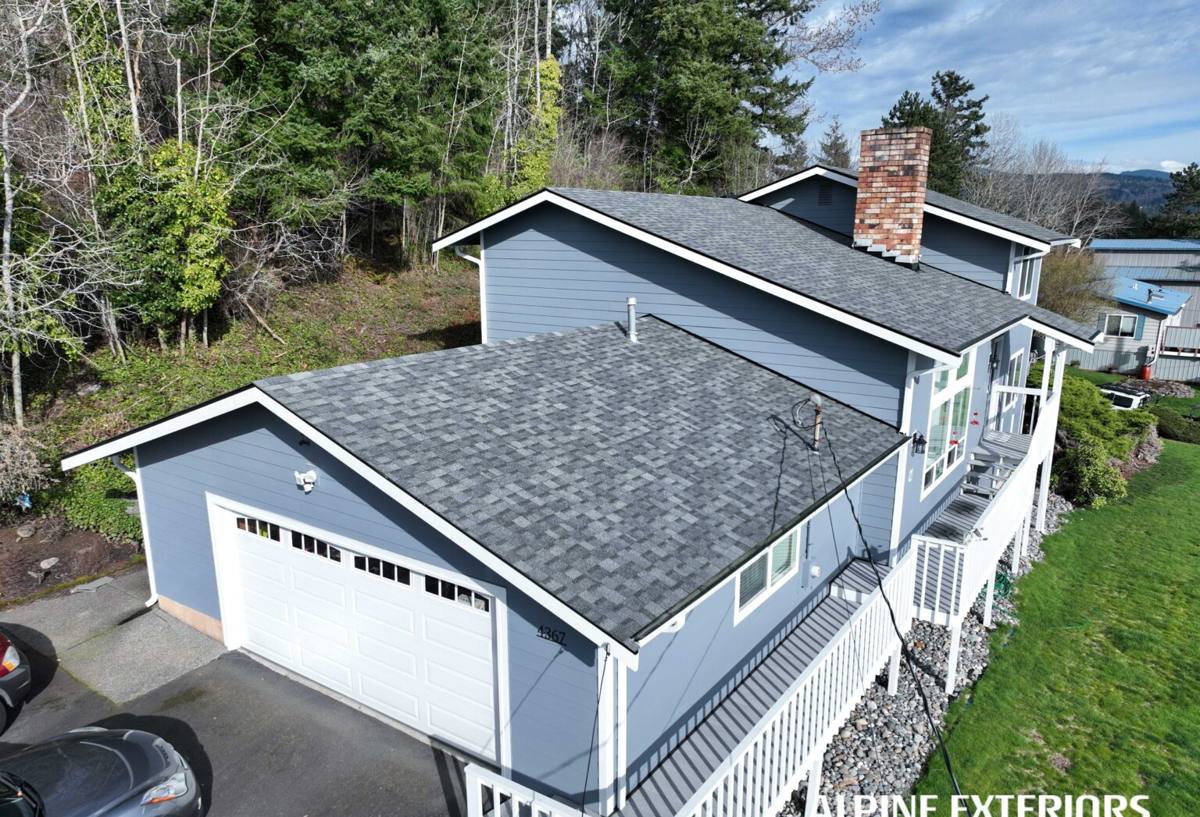
Signs a Gulfport Home Needs New Windows
Because of the coastal exposure, window wear in this area doesn't always look the way it does in a drier, inland climate. Here's what we typically see homeowners notice first:
- Fogging or a permanent haze between the panes of double-pane glass — a sign the seal has failed and moisture has gotten in
- Aluminum frames that have pitted, chalked, or corroded from salt exposure
- Windows that are hard to open, close, or lock — frames can swell or warp from years of humidity cycling
- Visible daylight or a draft around the frame when the window is closed
- Rising cooling bills, especially on the side of the house that catches the most afternoon sun
- Wood rot at the sill or jamb on older wood-framed windows
Any one of these on its own might just mean a repair. Several at once, especially on a home over 20 years old, usually means the windows have reached the end of their useful life.
What "Impact-Rated" Actually Means
In Pinellas County, and across most of coastal Florida, new window installations are governed by wind-borne debris code requirements. That means windows either need to be impact-rated (built with a laminated glass layer that holds together even if it cracks) or protected by code-compliant shutters or panels. Impact windows are the more popular choice for full replacements because they don't require you to do anything before a storm — the protection is built into the window itself.
It's worth understanding what impact rating does and doesn't promise. It's designed to keep wind-driven debris from breaching the glass and letting wind and water into the house, which is what causes the worst damage during a storm — pressure gets inside, and the roof can go with it. It is not a claim that the glass won't crack; a laminated impact window can crack under a hard enough impact and still stay intact in the frame. That's the point of the design, and it's a meaningfully different standard than older single-strength glass.
Non-Impact Options With Shutters
Some homeowners choose standard windows paired with code-approved shutters or panels, usually to manage upfront cost. That's a legitimate path, but it means someone has to actually deploy the protection before a storm every time, which isn't always practical if you travel or if a storm strengthens quickly. We'll walk through both approaches honestly rather than push one option.
Choosing a Frame Material for Bay-Front Exposure
| Material | How It Handles Salt Air | Maintenance | Typical Fit |
|---|---|---|---|
| Vinyl | Does not corrode; resists salt well | Low — occasional cleaning | Most common choice for coastal replacements |
| Fiberglass | Very stable, resists expansion/contraction | Low | Good for larger openings or higher-end projects |
| Aluminum | Can corrode/pit over time near salt water without regular upkeep | Higher — needs periodic inspection and care | Sometimes used for historic-style profiles |
| Wood | Prone to moisture damage and rot in humid, salt-air conditions unless well-clad or maintained | Highest | Best reserved for interiors or well-protected exposures |
Vinyl and fiberglass tend to be the better fit for a community like Gulfport simply because they don't give salt air anything to corrode. That's not a knock on aluminum or wood — both have their place — but for a house sitting close to the bay, lower-maintenance materials mean fewer surprises five or ten years down the road.
Glass Options That Matter in This Climate
The frame is only half the equation — the glass package does a lot of the work against Florida's sun and humidity.
Low-E Coatings
Low-emissivity coatings reduce how much heat transfers through the glass, which matters in a climate where air conditioning runs most of the year. It also cuts down on UV transmission, which helps protect flooring, furniture, and fabrics from fading.
Insulated (Double-Pane) Glass
The insulating gas layer between two panes reduces heat transfer and helps with sound — worth considering if the home is near a busier street or gets boat and marine traffic noise off the water.
Laminated Glass
This is the layer that gives impact windows their strength. It also has the side benefit of blocking more UV and reducing outside noise compared to standard glass.
The Installation Details That Actually Determine Performance
A window is only as good as the opening it's set into. This is where a lot of problems start, and it's also where a local, experienced crew earns its keep. Correct installation in this climate means:
- Flashing and sealing the rough opening properly so wind-driven rain can't work its way behind the frame
- Confirming the window's design pressure rating actually matches what's required for that specific wall and elevation of the house
- Using fasteners and anchoring methods rated for the substrate — block, wood frame, or stucco-over-frame construction are all handled differently
- Sealing and finishing the exterior trim so water can't collect at the sill
- Pulling the required permit and getting it inspected — this isn't optional in Pinellas County and it protects you if there's ever an insurance claim or a future sale
Wind-driven rain is one of the most common ways a poorly installed window fails here — not from the glass, but from water finding a gap at the frame during a tropical system. That's a workmanship issue, not a product issue, and it's the reason installation quality matters as much as the window brand.
Permits, Codes, and Insurance
Window replacements in Pinellas County require a permit, and the work has to meet the wind-borne debris requirements that apply to this part of Florida. Beyond the code side, documented, permitted impact windows can factor into homeowners insurance windstorm mitigation credits — worth asking your insurance agent about once the work is done and inspected, since the specifics of any discount are between you and your insurer.
What Drives the Cost of a Window Project
| Factor | Why It Moves the Price |
|---|---|
| Number and size of openings | More or larger windows means more material and labor |
| Impact-rated vs. standard glass | Impact-rated units cost more upfront but skip the need for separate storm protection |
| Frame material | Vinyl is generally the most budget-friendly; fiberglass and higher-end aluminum cost more |
| Existing condition of the opening | Rot repair or reframing adds labor beyond a straightforward swap |
| Trim and finish work | Matching existing interior/exterior trim adds time and material |
We're not going to throw out a per-window price here, because it genuinely depends on the specifics of your home — but these are the factors that move the number up or down, and we'll walk through them plainly during an estimate.
Why a Local Crew Is Worth Choosing
Windows aren't the only exterior system taking a beating in a coastal neighborhood like Gulfport — the same wind, sun, and salt affect siding, roofing, and decking. We work across all of those trades, which means we're looking at the whole envelope of the house, not just the openings. A crew that regularly works in St. Petersburg and the surrounding Pinellas County communities knows the local permitting process, understands what wind-borne debris code actually requires for this area, and has seen firsthand what does and doesn't hold up a few blocks from the bay. That's a different level of familiarity than a crew that only occasionally works this close to the water.
Maintaining New Windows in a Salt-Air Environment
- Rinse frames, tracks, and hardware periodically to clear salt residue, especially after storms
- Check and clean weep holes so water can drain properly out of the frame
- Inspect caulking and sealant around the exterior trim once a year and touch up as needed
- Lubricate locks and moving hardware to keep salt air from seizing them up
- Have screens and hardware checked after any major storm
None of this is complicated, but skipping it is how even a good window ages faster than it should in this environment.
If you're weighing whether it's time to replace windows on a Gulfport home, we're happy to take a look and give you a straightforward, no-pressure estimate — what we see, what it would take, and what it would cost, with no obligation attached. The form below gets you started.