 St. Petersburg Window
 Euclid-St. Paul: An Established St. Petersburg Neighborhood Facing Modern Exterior Demands
Euclid-St. Paul is one of St. Petersburg's older, established in-town neighborhoods, with a mature tree canopy and a mix of homes that span several decades of construction styles. That age is part of the charm, but it also means a lot of original windows, aging roof systems, and siding that was never designed for the building codes and storm expectations we work under today. When we go out to a home in this part of Pinellas County, we're usually looking at a house that's been through a lot of Florida summers, a handful of tropical systems, and years of sun exposure that most building materials simply weren't built to survive indefinitely.
This page walks through what we actually see on homes in and around Euclid-St. Paul, how our windows, roofing, siding, and deck work applies to this specific setting, and what to think about before you hire anyone to touch the exterior of your house.
What the Climate Does to Homes Here
St. Petersburg sits on a peninsula, which means almost every neighborhood — Euclid-St. Paul included — deals with a combination of conditions that inland Florida homes don't face to the same degree:
- Hurricane-force wind exposure during tropical systems, which stresses window seals, roof attachment points, and siding fasteners
- Intense, near year-round UV that breaks down caulking, degrades vinyl and paint finishes, and fades or chalks exterior surfaces faster than in northern climates
- Wind-driven rain that finds its way into gaps most homeowners never notice until there's a stain on a ceiling or a soft spot in a wall
- Salt air carried in off Tampa Bay and the Gulf, which accelerates corrosion on fasteners, hinges, flashing, and any exposed metal
None of this is unique to Euclid-St. Paul, but it's worth saying plainly because it changes how we spec materials and installation details compared to how a contractor might work in a drier, calmer climate. A window or siding job done "by the book" for a generic install guide isn't necessarily right for a house three miles from the water.
Windows: The Weak Point on Older St. Petersburg Homes
Single-Pane and Original Windows
A lot of the older housing stock in this part of St. Petersburg still has original or early-replacement windows. Single-pane glass and aging aluminum frames tend to show their age in a few predictable ways: condensation between panes (if they were ever upgraded to older double-pane units), swollen or warped wood sashes, hardware that's corroded from salt exposure, and drafts that show up as a spike in cooling costs during the hottest months.
What We Look At
When we evaluate windows on a home in Euclid-St. Paul, we're checking:
- Whether the frame material (wood, aluminum, vinyl) is still structurally sound or has started to deteriorate
- How well the current windows perform in wind-driven rain — this is often where leaks originate, not from the roof
- Impact rating and whether the home would benefit from impact-rated glass versus separate shutters
- Whether the existing rough openings are square and sound, or if water intrusion has damaged the surrounding framing
We're not going to tell you every window needs replacing just because it's old — some original windows are still serviceable with new weatherstripping, glazing, or hardware. But when frames are failing or seals are gone, patch repairs stop making financial sense compared to replacement.
Roofing Considerations for the Area
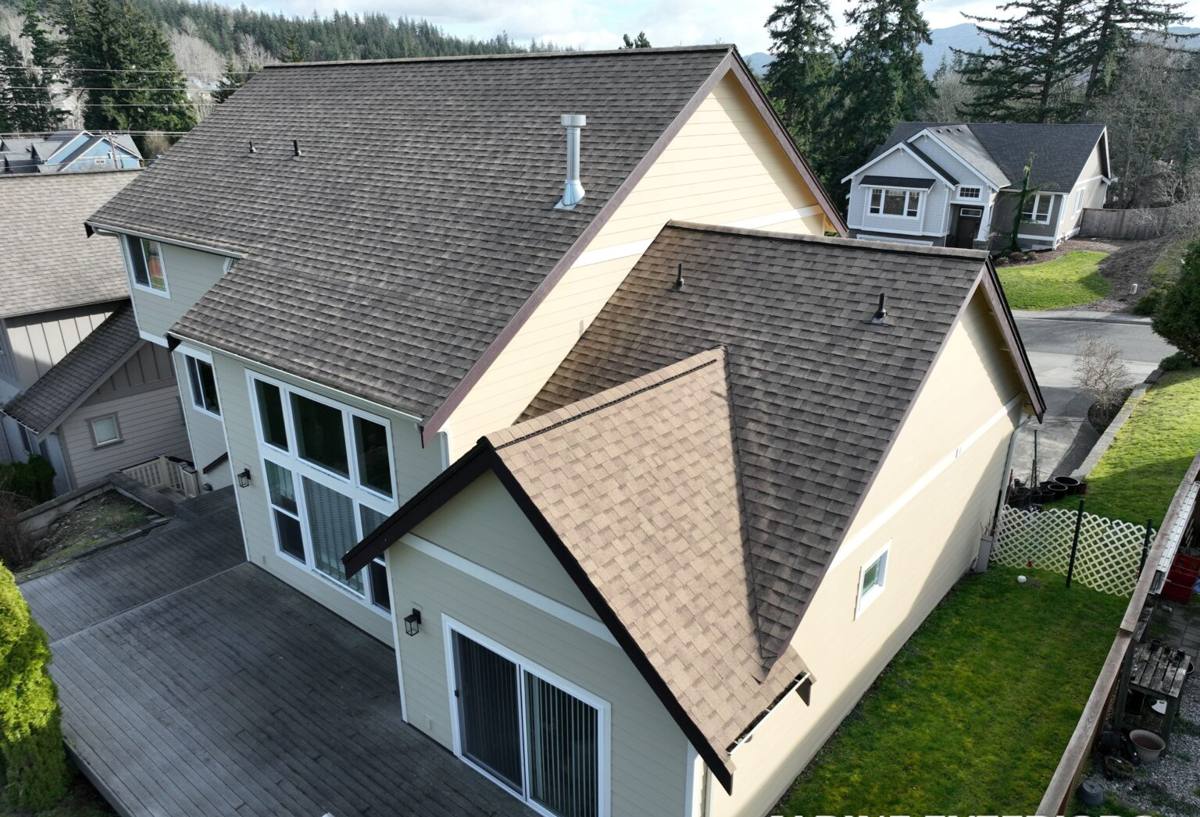
Roofs in Euclid-St. Paul face the same core threats as windows and siding, just at a larger scale. Wind uplift during storms is the number one concern — a roof system is only as good as its weakest attachment point, and that includes underlayment, fastening pattern, and how the edges and penetrations are flashed, not just the shingles or tiles themselves.
UV exposure is the quieter issue. Florida sun breaks down asphalt shingle granules and dries out sealants faster than most manufacturers' national warranty language accounts for. A roof that would last 25 years in a mild climate often needs closer attention here, especially around flashing, vent boots, and valleys — the details that don't show up in a quick visual inspection from the ground.
Salt air adds a slower but steady corrosion factor to any exposed metal on the roof: flashing, drip edge, and fasteners. We spec corrosion-resistant hardware for a reason, and it's not just an upsell — it's the difference between flashing that lasts and flashing that rusts through in a decade.
Siding: Matching Material to Exposure
Siding choice matters more here than in a lot of the country, because the material has to hold up to sun, humidity, and salt-laden air simultaneously. A few honest trade-offs worth knowing:
| Material | Typical Strength | Watch-Out in This Climate |
|---|---|---|
| Fiber cement | Strong impact and fire resistance, holds paint well | Heavier install, needs proper sealing at joints to resist wind-driven rain |
| Vinyl | Lower cost, low maintenance, wide color range | Can warp or fade faster under sustained intense UV; quality of install (fastening, expansion gaps) matters a lot |
| Wood | Traditional look, common on older homes in this area | Highest maintenance burden — repainting, moisture monitoring, and pest vulnerability in humid conditions |
| Engineered wood | Wood look with better moisture resistance than solid wood | Still needs sound flashing and sealing at every joint and penetration |
We don't push one material as universally "best." The right call depends on the home's age, its current siding condition, your maintenance appetite, and budget. What we won't do is recommend a product or installation shortcut that looks fine at closeout but fails at the seams within a few storm seasons — that's a callback waiting to happen, and it's not worth it to us or you.
Decks: Sun and Moisture Are the Real Enemies
Outdoor decks in this climate take a beating from two directions at once: constant UV breaking down wood fibers and finishes, and humidity or standing water encouraging rot at ledger boards, posts, and any spot where water can pool instead of drain. Composite decking has become popular here specifically because it resists UV fading and moisture damage better than most natural woods, though it still needs proper structural framing and ventilation underneath to perform well long-term.
Whatever material you choose, the ledger board attachment to the house and the flashing behind it are the details that determine whether a deck lasts. This is also where we see the most water intrusion into the home itself if it was done wrong the first time.
Why a Local Crew Matters in a Neighborhood Like This
Working in an established St. Petersburg neighborhood is different from a new-construction subdivision. Homes here often have older framing behind the walls, non-standard window openings, and roof lines that have been altered or added onto over the years. A crew that works Pinellas County regularly knows what to expect before they even open the walls — the kind of sheathing common to homes of this era, how local permitting and inspection works for window and roofing replacement, and what wind-load and impact standards apply in this county.
It also means faster response after a storm. When wind-driven rain finds a gap during a tropical system, having a contractor that's local — not working out of another region and driving in after the fact — makes a real difference in how quickly a problem gets addressed before it turns into interior damage.
What to Ask Before You Hire Anyone
Whether you're getting quotes from us or anyone else, these are the questions worth asking for any exterior project in this part of Florida:
- Are you licensed and insured to work in Pinellas County, and can you show current documentation?
- What wind rating or impact rating does the proposed window, door, or roofing product carry, and is that appropriate for this location?
- What fastener and flashing materials are you using, and are they rated for coastal/salt-air exposure?
- Will the work require a permit, and who is pulling it?
- What does the manufacturer warranty actually cover, and what's excluded (labor, coastal exposure clauses, etc.)?
- How do you handle water intrusion or structural surprises found once the old material comes off?
A straight answer to all six of these is a good sign. Vague answers, especially around permits and wind ratings, are worth pausing on.
How We Approach Work in Euclid-St. Paul
Every home we work on here gets treated as its own case, not a template. That means an honest look at what's actually failing versus what's just old, straight talk about which repairs buy you time versus which ones need full replacement, and material recommendations that match how exposed your specific property is to wind, sun, and salt air. Whether it's a single window replacement, a full re-roof, new siding, or a deck rebuild, the standard is the same: work that's still doing its job after the next several storm seasons, not just at the final walkthrough.
If you're weighing repair versus replacement on windows, roofing, siding, or a deck at your home in Euclid-St. Paul, we're happy to take a look and give you a straight answer. Use the form below to request a free, no-pressure estimate.