 St. Petersburg Window
 Why Gulfport Siding Has to Work Harder Than the National Average
Gulfport sits on a peninsula wedged between Boca Ciega Bay and the open Gulf, which means every exterior surface on a Gulfport home is dealing with conditions most siding products were never designed for. Salt-laden air moves through the neighborhood daily, not occasionally. Summer humidity keeps wood-based products damp for weeks at a time. UV exposure here runs close to year-round, with little seasonal relief to let painted or coated surfaces recover. And when a tropical system or hurricane-force wind event pushes through, it usually arrives with driving rain at an angle that finds every gap, seam, and fastener a lesser installation left exposed.
None of that is unique to any one street or block in Gulfport — it's the baseline for anything within a few miles of Pinellas County's coastline. But it does mean the siding decision matters more here than it would in a drier, cooler part of the country. A product or installation that's marginal inland can fail outright in a coastal Gulfport yard within a handful of years.
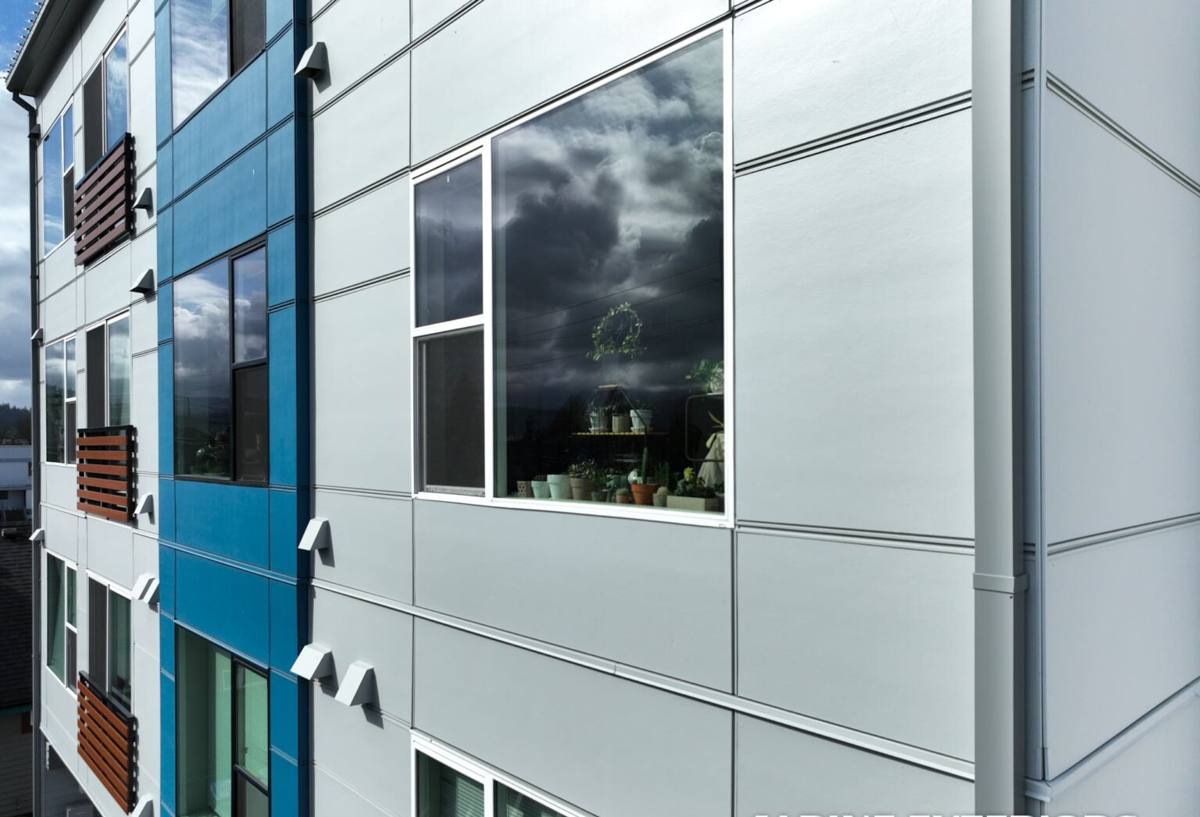
What Gulfport's Housing Stock Means for a Siding Project
Gulfport is known for its mix of older Florida bungalows, mid-century block homes, and a scattering of newer builds, often on smaller lots with mature tree canopy. That combination creates a few practical realities for any siding job in the area:
- Many homes have original wood siding, T1-11 panel siding, or a prior siding layer that's now failing and needs to be properly removed or addressed, not just covered.
- Smaller lots and close-set trees mean more shade cycling — surfaces go from direct sun to deep shade repeatedly through the day, which stresses paint and coatings differently than full, constant sun exposure.
- Older homes may have irregular wall framing, meaning a correct siding install requires more field fitting and attention to flashing details than a new-construction wall with square corners.
- Preserving the character of a bungalow or classic Florida cottage often matters to Gulfport homeowners — the siding profile and color have to fit the house, not just protect it.
A crew that hasn't worked in this kind of housing stock tends to treat every wall like a blank, square, new-construction surface. That assumption causes real problems on older Gulfport homes, from ill-fitting trim to missed moisture points behind existing layers.
Why We Install Only James Hardie Fiber Cement
We standardized on James Hardie fiber cement siding for every job we take on, including in Gulfport, and we don't install vinyl, LP SmartSide, Cemplank, Allura, or primed wood species like spruce or cedar. That's a deliberate decision, not a default.
Fiber cement is a mix of cement, sand, and cellulose fibers, engineered to be dimensionally stable — it doesn't expand and contract with humidity swings the way wood-based products do, and it doesn't soften, warp, or become a food source for pests the way wood can. It's also non-combustible, which matters for insurance conversations and fire safety alike. James Hardie specifically builds a HZ5 product line engineered for high-humidity, high-moisture climate zones like ours, and backs it with a ColorPlus factory finish and a strong transferable limited warranty. Other fiber cement brands exist, and some are reasonable products — but James Hardie's combination of climate-specific engineering, finish technology, and manufacturing consistency is what we've chosen to put our name behind. We'd rather install one product line correctly, every time, than juggle several with different installation quirks and warranty terms.
What This Means for Gulfport Specifically
In a salt-air, high-UV, storm-exposed environment, the margin for error on siding is smaller. A product that's "fine" in a mild climate can fall short here within a few seasons. We'd rather explain honestly why we don't install certain products than sell a Gulfport homeowner something we don't believe will hold up.
What a Correct Fiber Cement Installation Actually Involves
Fiber cement siding is only as good as the installation behind it. James Hardie publishes detailed installation specifications, and skipping steps is the single biggest reason fiber cement siding underperforms in coastal Florida. A correct install includes:
- A proper water-resistive barrier installed over the wall sheathing, lapped correctly so water is shed downward and outward, not trapped behind the siding.
- Correct flashing at every window, door, roofline intersection, and penetration — this is where the majority of moisture intrusion problems start on any home, siding brand aside.
- Manufacturer-specified clearances from grade, roof lines, decks, and other siding terminations, so water has somewhere to go and the bottom edge of the siding never sits in standing moisture.
- Correct fastener type, spacing, and depth — over-driven or under-driven nails are a common cause of premature cracking and reduced wind resistance.
- Proper joint and seam treatment, including caulking at butt joints and trim intersections with a sealant rated for exterior, coastal exposure.
- Ventilation behind the cladding where the wall assembly calls for it, so moisture that does get in has a path to dry out instead of sitting against the sheathing.
Every one of these steps is straightforward on paper. In practice, each one gets more demanding when a home has irregular framing, an older wall assembly, or complicated rooflines — all common in Gulfport's older housing stock.
James Hardie Product Lines and How We Match Them to Gulfport Homes
James Hardie makes several siding profiles and product lines, and part of doing this job right is matching the right one to the home, not defaulting to whatever's easiest to install.
| Product | Best Fit | Notes for Coastal Pinellas County |
|---|---|---|
| HardiePlank Lap Siding | Most single-family homes, bungalows, ranch-style houses | Available in smooth or cedar-textured finish; the most common choice for classic Florida house profiles |
| HardiePanel Vertical Siding | Accent walls, gables, modern or mixed-material facades | Often paired with lap siding for a layered look on updated Gulfport exteriors |
| HardieShingle | Craftsman and cottage-style homes wanting a shingle look | Gives the shingle aesthetic without the moisture and maintenance issues of real wood shingle |
| HZ5 Climate Engineered Line | All installations in our coverage area | Engineered specifically for high-humidity, freeze-minimal, moisture-heavy climate zones like Tampa Bay |
We spec the HZ5 line as standard for every Gulfport installation — it's built for exactly the humidity and moisture load this area sees year-round, not a generic national spec.
ColorPlus Finish vs. Field-Painted Siding
James Hardie's ColorPlus finish is baked on at the factory under controlled conditions, which gives it more consistent UV resistance and adhesion than a coat of paint applied on-site after installation. In a market with Gulfport's sun exposure, that difference shows up over time — factory-finished color resists fading and chalking longer than field-applied paint typically does. We can install ColorPlus-finished siding or field-paint standard primed Hardie panels depending on the home and the homeowner's color preferences, and we'll walk through both options honestly rather than pushing whichever is easier for us.
Our Installation Process for a Gulfport Home
- On-site assessment. We walk the exterior, check the existing siding and substrate condition, note flashing and moisture-prone areas, and measure for material takeoff.
- Removal and substrate check. Old siding comes off and we inspect the sheathing underneath for rot, prior water damage, or pest issues before anything new goes up — covering a problem substrate is how siding jobs fail early.
- Water-resistive barrier and flashing. We install or verify the weather barrier and flash every penetration, window, and door before the first piece of siding goes on.
- Siding installation. Panels or lap boards go up to James Hardie's fastening and clearance specifications, with attention to Gulfport's tighter lot lines and mature landscaping that can affect access and staging.
- Trim, caulking, and detail work. Corner boards, trim, and joint sealant get finished with coastal-rated materials.
- Final walkthrough. We review the finished work with the homeowner and confirm everything meets spec before calling the job complete.
What Fiber Cement Siding Costs to Install in Gulfport
Every project varies with square footage, the home's complexity, and current substrate condition, but the main cost drivers on a Gulfport fiber cement job are generally the same:
| Cost Factor | Why It Matters Here |
|---|---|
| Substrate condition | Older bungalows and homes with prior moisture issues may need sheathing repair before siding goes on |
| Home complexity | Gables, dormers, and multiple rooflines increase flashing and cutting time |
| Product line and profile | HardieShingle and custom trim details cost more in labor than straight lap siding |
| Finish choice | Factory ColorPlus vs. field-painted primed panels affects material and labor cost differently |
| Access and lot conditions | Tight Gulfport lots with mature trees can affect staging, equipment access, and labor time |
We provide a written estimate after an on-site look at the home rather than a phone-quote guess — with fiber cement, the substrate condition alone can shift the scope significantly.
Maintenance and Lifespan in a Coastal Salt-Air Environment
Properly installed James Hardie siding is low-maintenance, but "low" doesn't mean zero, especially this close to the water. A few realistic expectations for Gulfport homeowners:
- Rinse the exterior periodically to clear salt residue and airborne debris — a garden hose is usually enough.
- Inspect caulking at joints and trim intersections annually; sealant is the first thing to wear in coastal exposure and is easy to touch up before it becomes a moisture path.
- Watch for any staining or discoloration near ground level or under sprinkler spray, which usually points to a moisture or irrigation issue rather than a siding defect.
- Keep landscaping trimmed back from the siding to maintain airflow and reduce trapped moisture against the wall.
Correctly installed fiber cement with proper flashing and clearances should not require repainting on the same short cycle wood siding does, and it won't rot, delaminate, or attract termites the way wood-based products can in this climate.
Why Hiring a Crew That Already Works in Gulfport Matters
Siding installation quality depends heavily on judgment calls made in the field — how to flash an unusual roofline intersection, how to handle an older wall that's out of square, how to sequence work around a tight lot with mature trees. A crew that's worked repeatedly in Gulfport and the broader St. Petersburg and Pinellas County market has already seen the common conditions of this housing stock and this climate. That experience shows up in fewer surprises mid-project and a finished install that's built for what this specific coastal environment throws at it, not a generic national spec applied without local judgment.
What to Look for When Vetting a Siding Contractor
- Manufacturer training or certification specific to fiber cement installation, not just general siding experience.
- A written scope that specifies flashing, fastening, and clearance details — not just "install siding."
- Willingness to inspect and address substrate condition before covering it, not just install over what's there.
- Local references or a track record working in similar coastal, older-home neighborhoods.
- Clear communication about which siding products they install and why — and honesty about which ones they don't.
If your Gulfport home needs new siding or you're weighing options after storm damage or age-related wear, we're happy to take a look and provide a straightforward, no-pressure estimate using the form below.