 St. Petersburg Window
 Windows in Snell Isle Work Harder Than Windows Almost Anywhere Else
Snell Isle sits close to open water, which means its homes take a different kind of beating than houses a few miles inland. The salt content in the air corrodes untreated metal hardware and pits glass coatings over time. Year-round Florida UV bakes vinyl frames and breaks down seals faster than in cooler climates. Add wind-driven rain that can push moisture sideways into wall assemblies, and the occasional hurricane-force gust testing every seam in the frame, and you have a short list of conditions that punish a poorly installed window fast. A window that would last two or three decades in a drier, calmer climate can start failing in half that time here if it wasn't installed with this exposure in mind.
This page is specifically about installing windows correctly in Snell Isle — not a general overview of window types. If you live in this neighborhood, the product you choose and the way it goes into the opening both matter more than they would somewhere less exposed.
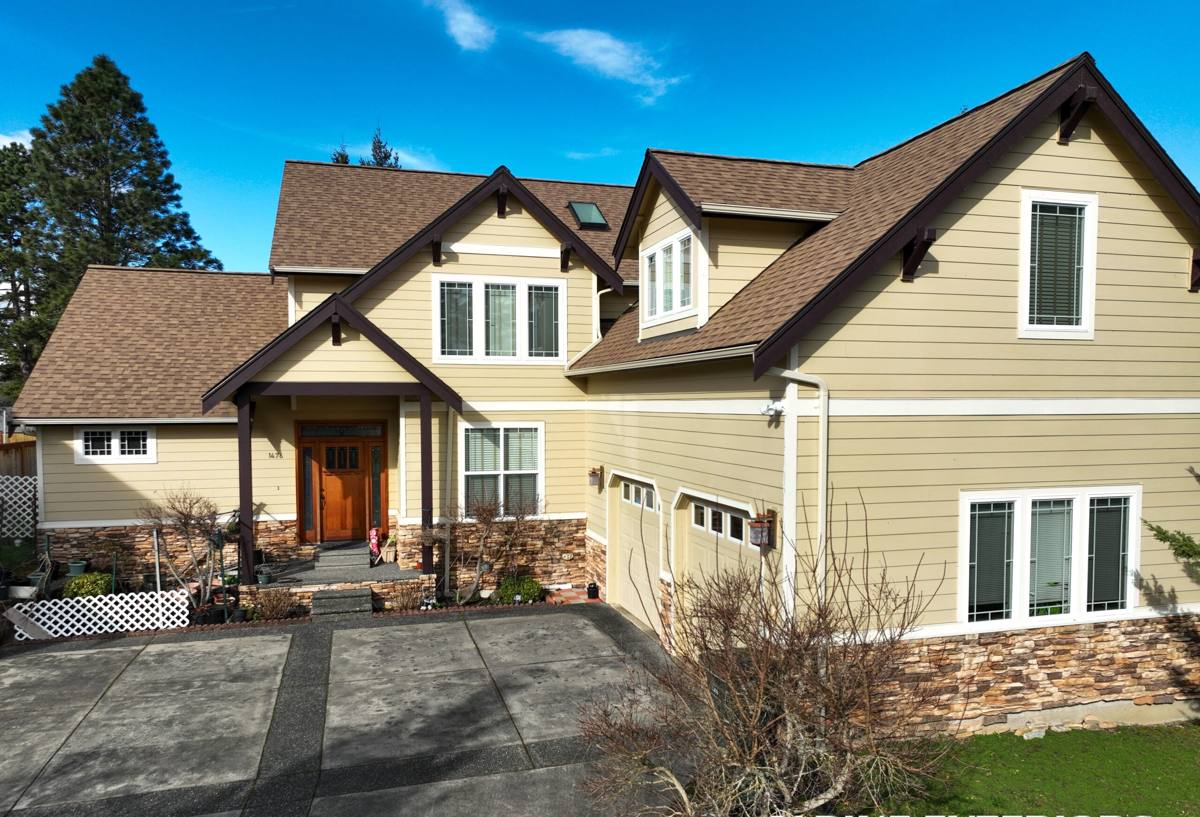
Signs Your Snell Isle Home Needs New Windows
Most homeowners don't wake up one day and decide to replace windows — something tips them off first. In this part of St. Petersburg, the usual signs include:
- Fogging or a permanent haze between the panes of a double-pane window (the seal has failed and moisture is trapped)
- Frames that feel soft, chalky, or discolored, especially aluminum frames showing white corrosion
- Windows that are difficult to open, close, or lock — often a sign the frame has racked out of square
- Noticeable drafts or a rise in cooling costs, since AC runs nearly year-round here
- Visible daylight or water staining around the frame after a hard rain
- Hardware (locks, hinges, cranks) that's rusted or seized despite the window itself looking fine
Any one of these is worth a look. Several together usually means the whole window — not just the glass — needs to come out.
What a Correct Installation Actually Involves
The window unit itself is only part of the job. In a high-exposure area like Snell Isle, how it's set into the wall determines whether it holds up through storm seasons or becomes a leak point within a few years. A proper install has four parts that all have to go right, not just one.
Removal and Opening Prep
The old window and any damaged trim come out, and the rough opening gets inspected for wood rot, corrosion, or water damage that built up behind the old unit — this is common in older waterfront-adjacent homes and needs to be addressed before anything new goes in. Covering up hidden damage is how small problems turn into structural repairs down the road.
Flashing and Waterproofing
This is the step that matters most for wind-driven rain. Self-adhering flashing tape and a properly lapped weather-resistant barrier direct any water that gets past the window itself back out of the wall, rather than into the framing. Skipping or rushing this step is the single biggest cause of hidden rot behind windows that "look fine" from the outside.
Fastening and Shimming
The window has to be plumb, level, and square, shimmed evenly, and fastened per the manufacturer's schedule and Florida Building Code requirements for the wind zone. An unevenly shimmed frame puts stress on the corners, which is exactly where seals fail first under wind pressure.
Sealing and Finish
Interior and exterior sealant, backer rod where called for, and finish trim close out the job. Sealant choice and application matter — the wrong caulk breaks down under UV exposure within a season or two and needs redoing, which is a maintenance cost homeowners shouldn't have to absorb from a first install.
Choosing the Right Window for This Exposure
Frame material and glass package both affect how a window holds up near the water. There's no single "best" choice for every home — it depends on budget, the home's style, and how much maintenance you want to take on.
| Frame Material | Salt Air Performance | Maintenance | Typical Trade-Off |
|---|---|---|---|
| Vinyl | Good — doesn't corrode | Low | Can discolor or soften under long-term intense UV if lower-grade |
| Aluminum | Fair — needs corrosion-resistant coating/hardware | Moderate | Conducts heat; coastal-grade hardware costs more |
| Fiberglass | Very good — stable and corrosion-resistant | Low | Higher upfront cost |
| Wood (clad exterior) | Poor unless fully clad and well-maintained | High | Best interior look; most upkeep near salt air |
For homes this close to the water, we generally steer clients toward vinyl or fiberglass frames with stainless or coated coastal-grade hardware, simply because they hold up with less upkeep. Aluminum can work, but it needs the right hardware spec from day one — standard hardware corrodes visibly within a few years in this air.
Impact Glass: What It Means and What It Costs You Either Way
Pinellas County sits in a wind-borne debris region, which affects what code requires for new window installations depending on your home's exact wind zone and the size of the opening. Homeowners generally have two paths to meet that requirement:
| Option | How It Works | Ongoing Cost/Effort |
|---|---|---|
| Impact-rated glass | Laminated glass built to resist debris impact on its own | Higher upfront cost, no separate storm prep needed |
| Standard glass + approved shutters/panels | Non-impact window paired with code-approved protective coverings | Lower window cost, but requires installing protection before every storm |
Both are legitimate, code-compliant paths — which one makes sense depends on your budget and how much you want to deal with before every storm watch. We'll walk through your specific requirement based on your home's wind zone before you decide anything.
Our Installation Process
- On-site assessment. We look at your existing windows, openings, and any signs of hidden moisture or framing issues before quoting anything.
- Product selection. We go over frame material, glass package, and code requirements together, with honest trade-offs — not a sales pitch toward the most expensive option.
- Permitting. Window replacement in the City of St. Petersburg generally requires a permit; we handle that paperwork so you don't have to chase it down.
- Installation. Removal, opening prep, flashing, precise fastening, and sealing, done in the sequence that actually protects the wall behind the window — not just the window itself.
- Final walkthrough. We check operation, seals, and finish work with you before we consider the job done.
Permits and Code in St. Petersburg
Window replacement almost always requires a permit in the City of St. Petersburg, and installations need to meet current Florida Building Code wind load and impact requirements for your specific wind zone. If your home is in an HOA-governed section of Snell Isle, there may also be architectural guidelines around frame color or style — worth checking before you order anything. We can help you sort out what applies to your specific address rather than guessing based on a neighboring county's rules, which are often different.
Why Local Experience with Snell Isle Homes Matters
A crew that's worked in this neighborhood before already knows the kind of exposure these homes get, what tends to fail first, and how the flashing and sealant details need to be handled for wind-driven rain off the water. That's not something you can fully substitute with a generic install checklist. It also means we're not learning your neighborhood's permitting quirks or HOA process for the first time on your job — we've been through it before.
Keeping New Windows Performing Long-Term
Even a correctly installed window needs a little upkeep in this climate. A short annual routine goes a long way:
- Rinse frames and hardware with fresh water periodically to reduce salt buildup
- Inspect exterior caulk lines each year and touch up before small cracks let water in
- Lubricate locks and cranks if they start to feel stiff — don't force hardware that's binding
- Check weep holes (the small drainage openings at the bottom of the frame) to make sure they're clear of debris
- After any major storm, do a quick visual check of seals and frames for new gaps or damage
None of this is difficult, but skipping it is how a well-installed window ends up needing early attention anyway.
If you're weighing new windows for a Snell Isle home, we're glad to come take a look and give you a straight assessment — what your home actually needs, what it doesn't, and a clear estimate with no pressure to decide on the spot. Use the form below to get started.