 St. Petersburg Window
 Working in Pinellas Point
Pinellas Point sits at the southern tip of St. Petersburg, wrapped by water on multiple sides where Tampa Bay and the surrounding coastline meet the neighborhood's edges. That waterfront exposure is part of what makes the area desirable, and it's also exactly why homes here take more punishment than houses ten miles inland. We work throughout this part of Pinellas County regularly, and the pattern is consistent: the exterior systems that fail first are almost always the ones that were installed without the local climate in mind.
This page covers what we actually see on homes in and around Pinellas Point, how our windows, roofing, siding, and deck work is built to hold up here, and what to think about before you hire anyone for exterior work in this part of St. Petersburg.
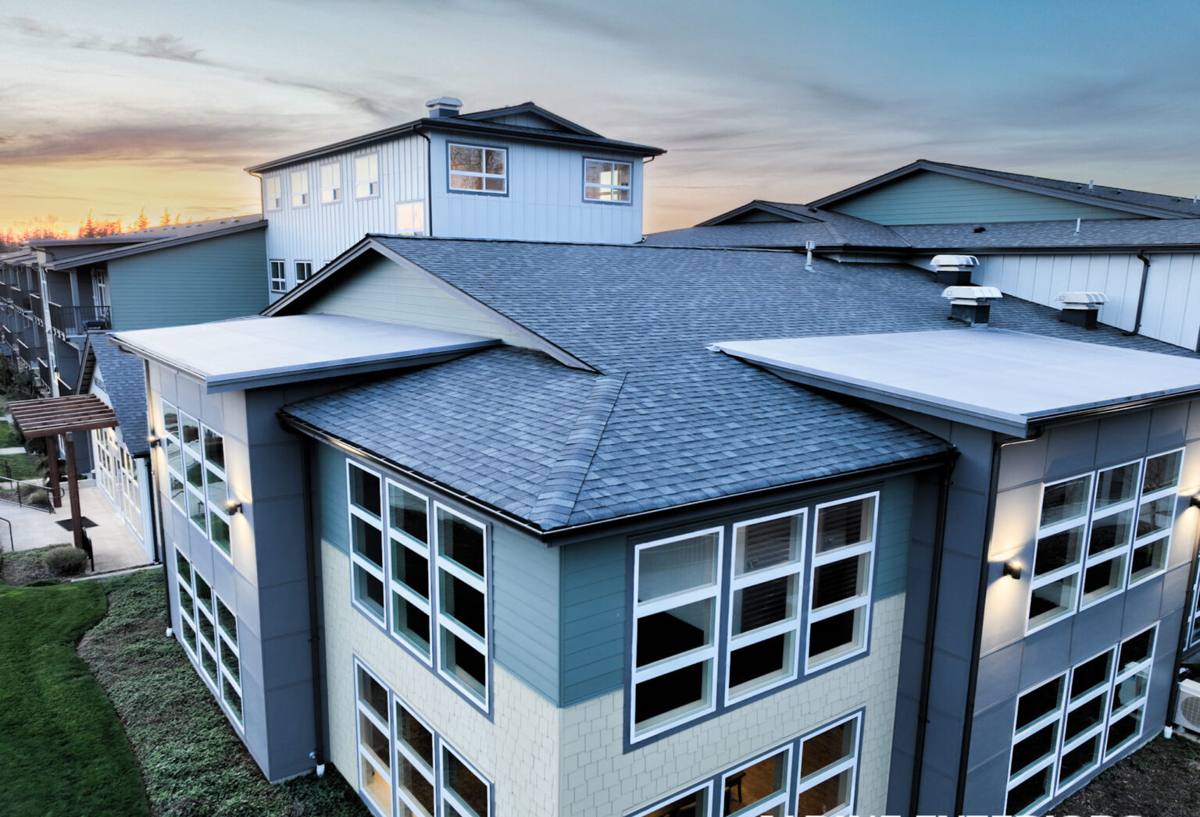
What the Climate Actually Does to a House Here
It's easy to talk about "Florida weather" in the abstract. On a property in Pinellas Point, it breaks down into a few distinct, ongoing stresses that compound on each other year after year.
Salt Air and Corrosion
Proximity to open water means airborne salt is a constant, low-level presence, not an occasional event. Salt accelerates corrosion on fasteners, window hardware, door hinges, gutter systems, and any exposed metal trim. Materials and hardware that would last decades in a landlocked climate can start showing pitting or rust within a few years this close to the bay. This is one of the biggest reasons we're selective about fastener grade and hardware finish on every job in this area, not just the ones directly on the waterfront.
UV Exposure
St. Petersburg gets sun nearly year-round, and that constant UV load breaks down caulking, sealants, vinyl, and paint faster than in most of the country. Siding that looks fine after five years up north can be chalky, faded, or brittle here in the same time frame if the wrong product or finish was used. Roofing materials rated for northern climates often underperform for the same reason.
Wind-Driven Rain
Florida storms don't just drop rain, they drive it sideways under pressure. Wind-driven rain finds every weak point in a building envelope: unsealed window flanges, poorly lapped siding, aging roof flashing, and gaps around trim. A house can be watertight in a normal rainstorm and still leak during a wind event because the water is being forced horizontally and even slightly upward under eaves and around openings.
Hurricane-Force Wind Loads
Pinellas County sits in a high-velocity hurricane zone, and the Florida Building Code reflects that with wind-load and impact requirements that are stricter than most of the country. Windows, roofing attachment methods, and even siding fastening schedules all have to meet those standards here, not just meet a general national code minimum.
Windows for Pinellas Point Homes
Windows are usually the first thing homeowners in this area ask us about, because they're where wind, water, and UV problems all show up at once. A few things matter more here than in most parts of the country:
Impact Resistance
Given the wind zone, impact-rated glass is the standard we recommend for most Pinellas Point homes, whether that's for a full replacement or specific openings that face the water or prevailing storm direction. Impact glass protects against wind-borne debris and also cuts down on UV transmission and outside noise, which is a nice side benefit even outside of storm season.
Frame Material and Hardware
Given the salt exposure discussed above, we pay close attention to frame material and hardware finish, not just glass rating. Aluminum and vinyl frames each have trade-offs in coastal-adjacent settings, and hardware that isn't corrosion-resistant will start failing well before the window itself does. We'll walk through the honest trade-offs of each option for your specific exposure rather than defaulting to whatever is easiest to install.
Installation Quality Matters as Much as the Window
A high-spec window installed with poor flashing and sealant work will leak in wind-driven rain regardless of its rating. Proper installation — correct flashing sequence, compatible sealants, and attention to the rough opening — is what actually keeps water out during a storm. This is one of the most common corners cut in this trade, and it's usually invisible until the first real storm exposes it.
Roofing Considerations
Roofs in this part of St. Petersburg have to handle sun, wind uplift, and wind-driven rain simultaneously. The Florida Building Code's High-Velocity Hurricane Zone provisions and Pinellas County's wind requirements drive specific decisions around underlayment, fastening patterns, and edge and ridge detailing. We evaluate roofs here with those requirements as the baseline, not an upgrade option, because a roof that isn't attached and sealed for local wind speeds is a liability regardless of how good the shingles or tiles look.
UV degradation is the other factor that shows up faster here than elsewhere — roofing materials and sealants age differently under near-constant Florida sun, which affects how we think about material selection and expected service life for a given roof.
Siding Built for Coastal-Adjacent Conditions
Siding in Pinellas Point has to resist the same three stresses as everything else on the exterior: UV fading and embrittlement, wind-driven rain intrusion behind the panels, and corrosion of the fasteners holding it on. Proper lapping, fastening schedule, and moisture management behind the siding matter more here than the visible finish. We also account for how a given siding product's warranty structure handles coastal or near-coastal exposure, since some manufacturer warranties reduce coverage or exclude certain conditions in high-salt environments — that's worth knowing before you commit to a product, not after.
Decks in a Waterfront-Adjacent Neighborhood
With Pinellas Point's proximity to water, a lot of homes here have decks, porches, or outdoor living spaces that take direct sun and moisture exposure most of the year. Fasteners and structural hardware are the first thing to watch — corrosion-resistant, coastal-rated hardware is not optional in this setting, even if the decking material itself is holding up fine. Ventilation and moisture management underneath the deck structure also matter more here than inland, since humidity and occasional standing water accelerate rot and hardware failure if the substructure isn't detailed correctly.
Comparing Common Exterior Material Choices
Every material choice on a coastal-adjacent property involves trade-offs. This is a general comparison to frame the conversation — your specific site conditions and budget will narrow it further.
| Component | Key Local Stress | What We Prioritize |
|---|---|---|
| Windows | Wind load, wind-driven rain, UV | Impact rating, flashing/installation quality, corrosion-resistant hardware |
| Roofing | Wind uplift, UV, wind-driven rain | Code-compliant attachment, underlayment quality, edge/flashing detail |
| Siding | UV embrittlement, moisture behind panels, salt corrosion | Proper lapping/fastening, moisture drainage plane, warranty terms for coastal exposure |
| Decks | Moisture, humidity, salt on hardware | Corrosion-resistant fasteners, substructure ventilation, drainage away from the house |
Why a Local Crew Matters
A lot of exterior problems in this area trace back to work that was designed for a different climate. A crew that mostly works inland or up north can install a technically correct product and still get the details wrong for Pinellas County's wind zone and salt exposure — because those details aren't part of their normal routine. Working in and around St. Petersburg regularly means we're dealing with the same code requirements, the same wind zone, and the same salt and UV exposure on nearly every job, so it's not a special case we have to research each time — it's the baseline we build from.
Local presence also matters after the sale. If a storm rolls through and you need someone to check flashing, look at a window seal, or assess roof damage, it helps to be working with a crew that's actually based in the area and can respond without a long drive.
What to Expect From an Estimate
A useful exterior estimate for a Pinellas Point home should account for the property's specific exposure, not just square footage or a generic price list. That typically means:
- A walk-around assessment of current window, roofing, siding, or deck condition, including hardware and fastener condition where visible
- A discussion of wind zone and Florida Building Code requirements that apply to your specific work
- Honest trade-offs between material and hardware options for your exposure level, not a single default recommendation
- Clear scope on flashing, sealant, and moisture-management details — the parts that actually determine whether the work holds up in a storm
- A realistic timeline that accounts for permitting where required
A Simple Homeowner Checklist
Whether you're evaluating your own home or vetting a contractor, these are worth checking:
- Are window and door seals intact, with no visible gaps or cracked caulking around frames?
- Is roofing hardware and flashing free of visible rust or lifted edges?
- Are siding panels flat and firmly attached, without warping, fading unevenly, or gaps at the laps?
- Is deck and railing hardware free of corrosion, and is there airflow underneath the structure?
- Has any contractor you're considering explained wind-zone or code requirements specific to your address, rather than giving a generic answer?
Maintenance Between Projects
Even well-installed exterior systems need periodic attention in this climate. Rinsing salt residue off siding, windows, and hardware after storms, checking caulking and sealant annually, keeping gutters clear so water isn't pooling against fascia or siding, and doing a visual hardware check after major wind events all extend the life of the work significantly. None of this replaces a proper install, but it slows down the UV and salt-driven wear that's constant in this location.
If you're in Pinellas Point and dealing with an aging roof, drafty or leaking windows, tired siding, or a deck that needs attention, we're happy to take a look and put together a straightforward, no-pressure estimate. Use the form below to get started.