 St. Petersburg Window
 A Historic Neighborhood, A Different Set of Window Problems
Historic Old Southeast is one of St. Petersburg's older residential pockets, with a housing stock that mostly dates back to the early-to-mid 1900s. Bungalows, cottages, and early Florida-style homes make up much of the neighborhood, and that means the windows in a lot of these houses aren't the same as what you'd find in a house built in 2015. Original wood sash windows, decades-old aluminum single-hung replacements, and a mix of retrofit jobs done at different points over the last century are all common. Each of those comes with its own quirks, and each one has been sitting through Gulf Coast weather for a long time.
We work on windows across St. Petersburg and Pinellas County, but a neighborhood like this one calls for a different approach than a newer subdivision. The goal isn't to rip out anything that looks old and dated — it's to figure out what's actually failing, what's still sound, and what makes sense to upgrade given how the house is built and what it's exposed to.
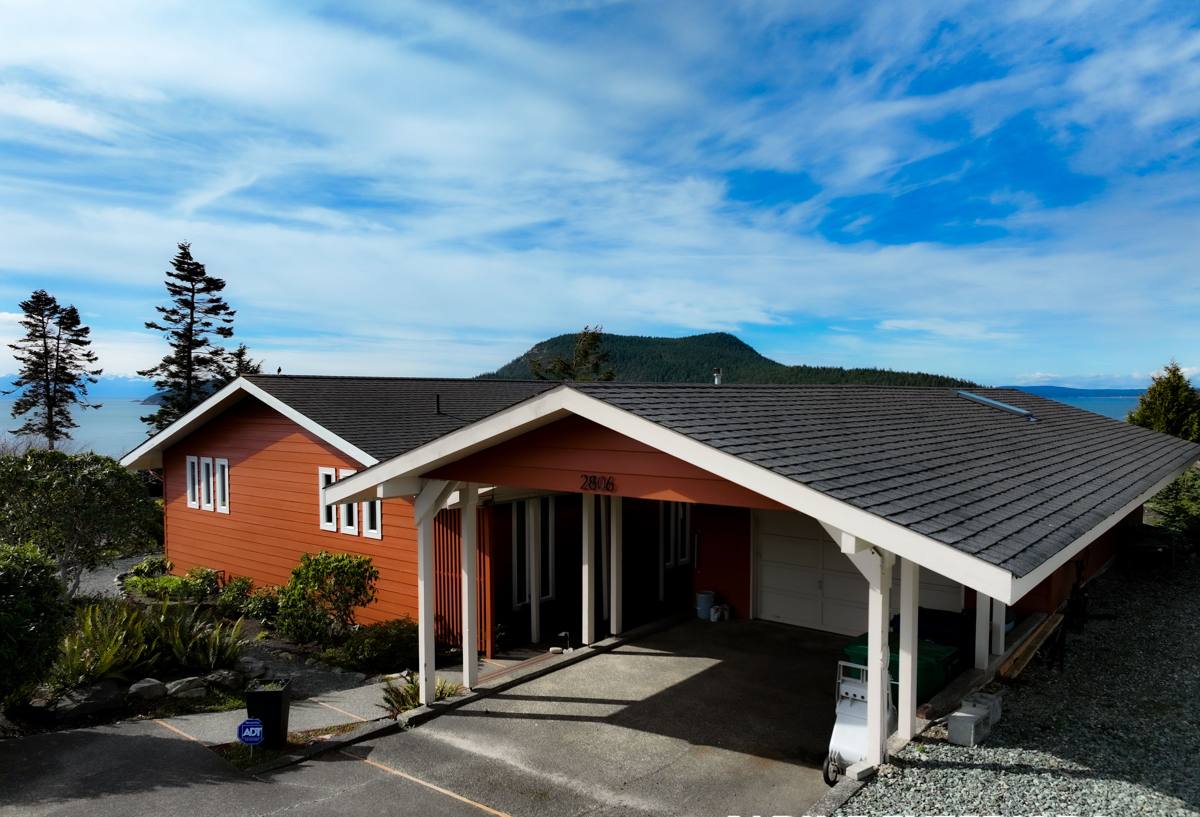
What Pinellas County Weather Does to Older Windows
St. Petersburg sits on a peninsula, and homes here take on a specific combination of stress that inland Florida houses don't deal with in the same way. It's worth understanding what's actually working against your windows over time.
Hurricane-Force Wind
Even homes that never take a direct hit still get pushed and flexed by tropical storm and hurricane-force wind gusts most seasons. Older single-pane windows and softened, decades-old frames don't have the structural margin that current impact-rated products are engineered for. Repeated wind-loading over the years is part of why older sashes start to rack, bind, or no longer seat tightly in their frames.
Year-Round UV Exposure
Florida's UV load is intense and it doesn't really let up seasonally. On older wood windows, that UV breaks down exterior paint and glazing putty faster than it would further north. On aluminum-framed windows from past decades, UV combined with heat cycling is a big contributor to seal failure and hardware that seizes up or corrodes.
Wind-Driven Rain
Rain that comes in sideways during a storm finds every gap in an aging window system — worn weatherstripping, settled glazing, or a frame that's shifted slightly as the house has settled over the decades. In older homes, this often shows up as water staining on interior sills or soft spots in the wood trim around a window opening.
Salt Air
Being close to Tampa Bay means a steady low-level exposure to salt in the air, even without being right on the waterfront. Salt air accelerates corrosion on aluminum frames, hardware, screws, and hinges. It's a slow process, but over 30, 50, or more years it adds up — which is exactly the timeline a lot of Old Southeast homes are on.
Common Issues We See in Homes Like Yours
Original Wood Sash Windows
Some homes in the neighborhood still have original or early-replacement wood windows. These can often be repaired rather than replaced — re-glazing, sash cord or balance repair, and selective wood repair can extend their life significantly, and it preserves the look of the house. But if the wood has rotted through in multiple spots or the frame itself has failed, repair stops being cost-effective and replacement is the honest recommendation.
Older Aluminum Single-Hung or Jalousie Windows
Aluminum windows installed from the 1960s through the 1990s are common replacements in older St. Petersburg homes. Many are single-pane, poorly sealed by current standards, and not rated for today's wind-load codes. Jalousie windows in particular — the crank-out glass louver style — were common in older Florida homes but offer very little in the way of impact resistance or a tight seal.
Failed Seals on Newer Dual-Pane Units
If a previous owner already replaced windows once, sometimes in the 2000s or later, you may be dealing with dual-pane units where the seal has failed — visible as fogging or moisture between the panes. That's a sign the insulated glass unit has reached the end of its life, even if the frame itself is fine.
Replacement Options That Respect an Older Home
We don't push a single product on every house. What's right for a historic-style bungalow with a specific architectural look isn't always the same as what's right for a house with no particular period detailing.
- Impact-rated windows with frame profiles and grille patterns designed to match traditional divided-lite looks, so the house doesn't lose its character.
- Wood or wood-clad replacements where matching the original material matters, paired with modern glazing and weatherstripping.
- Standard vinyl or aluminum impact windows where budget and practicality matter more than matching an exact historic profile.
- Selective repair of original wood windows where the frame and sash are still structurally sound.
We'll walk the house with you and talk through what's actually driving the recommendation — whether that's structural condition, energy performance, storm protection, or simply what looks right on the house.
Impact Windows vs. Other Storm Protection: An Honest Comparison
Homeowners in this neighborhood often ask whether they need full impact windows, or whether windows plus separate storm shutters or panels gets them to the same place. Both are legitimate approaches, but they trade off differently.
| Factor | Impact-Rated Windows | Standard Windows + Shutters/Panels |
|---|---|---|
| Upfront cost | Higher, all at once | Lower for windows, added cost for shutter system |
| Day-to-day use | No action needed before a storm | Shutters must be installed or deployed each time |
| UV & noise reduction | Better year-round, not just storm season | No benefit outside of storm events |
| Appearance | Clean, unobstructed year-round | Shutters visible when deployed or stored |
| Maintenance | Frame and seal upkeep only | Two systems to maintain (window + shutters) |
| Insurance considerations | Often qualifies for wind-mitigation credits | Can also qualify, depending on shutter rating |
Neither option is wrong. Some homeowners prioritize the lower upfront cost of shutters and are comfortable with the routine of putting them up. Others want the windows to just handle it without extra steps. We'll give you a straight answer on which one fits your house and your budget rather than steering you toward whichever is more profitable for us.
How We Approach a Project in Old Southeast
1. Assessment
We look at each window individually — frame condition, glass, seals, and how the opening is built into the wall — rather than assuming every window on the house needs the same treatment.
2. Honest Scope
You'll get a clear breakdown of what needs replacement, what can be repaired, and what's optional. If only a few windows are actually failing, we'll say so rather than recommending a whole-house replacement by default.
3. Product Selection
We help you weigh impact-rated glass, frame material, and appearance against your budget and how long you plan to stay in the home.
4. Installation
Proper flashing and sealing around each opening matters as much as the window itself, especially on an older house where the surrounding wall assembly wasn't built to current standards. A poorly sealed installation defeats the purpose of an upgraded window.
5. Cleanup and Walkthrough
We go over the finished work with you and make sure everything operates the way it should before we consider the job done.
Why a Local Crew Matters Here
Older neighborhoods like this one have inconsistent framing, settled foundations, and window openings that were never perfectly square to begin with — none of which show up until someone is actually on site measuring. A crew that regularly works in St. Petersburg's older housing stock knows to expect that and plans for it, instead of being surprised mid-installation. Local crews are also easier to reach for a follow-up question or a warranty visit, and they understand Pinellas County's permitting and wind-load requirements without having to look them up from scratch.
Windows Are Part of a Bigger Picture
On an older home, windows rarely fail in isolation. Roofing condition, siding, and even deck structures are all exposed to the same wind, UV, and salt air, and problems in one area often show up as symptoms in another — a leaking window can point back to roofing or flashing issues, and deteriorating siding around a window opening affects how well that window performs. Because we handle siding, roofing, windows, and decks, we can look at the whole exterior picture on an older home rather than treating windows as a standalone project. That matters more in a historic neighborhood, where these systems have often been patched independently over the decades rather than addressed together.
What Drives Cost on a Project Like This
- Number of windows needing full replacement versus repair
- Whether custom sizing is needed to match older, non-standard openings
- Frame material — vinyl, aluminum, wood, or wood-clad
- Impact-rated glass versus standard glass
- Extent of surrounding wood trim or wall repair needed
- Matching historic profiles or grille patterns versus a standard look
We won't quote a whole-house number before actually seeing the windows — too much of the cost depends on condition, not just quantity.
Let's Take a Look at Your Windows
If you're in Historic Old Southeast and dealing with drafty, foggy, hard-to-operate, or storm-worn windows, we're glad to come take a look and give you a straight assessment — what needs attention now, what can wait, and what your realistic options are. There's no pressure and no obligation. Fill out the form below and we'll get in touch to schedule a free estimate.