 St. Petersburg Window
 Why Pinellas Park Siding Has to Work Harder Than the National Average
Pinellas Park sits in the middle of the Pinellas County peninsula, which means homes here take on the same punishing mix of conditions as the rest of the St. Petersburg area: hurricane-force wind gusts during storm season, wind-driven rain that gets forced sideways into wall assemblies, intense UV exposure nearly every day of the year, and a steady drift of salt air off both Tampa Bay and the Gulf. None of these show up as a single dramatic event most of the time — they're a slow, cumulative load on whatever material is covering your exterior walls. Siding that's rated for a mild inland climate gets tested here in ways it was never designed for.
That combination is exactly why we install James Hardie fiber cement siding exclusively and don't offer vinyl, LP SmartSide, Cemplank, Allura, or wood alternatives. It's not that those products can't be installed correctly — it's that we've made a professional judgment, based on how this specific climate treats exterior materials over 15-20 years, that fiber cement engineered for wind and moisture exposure is the right standard to put our name on.
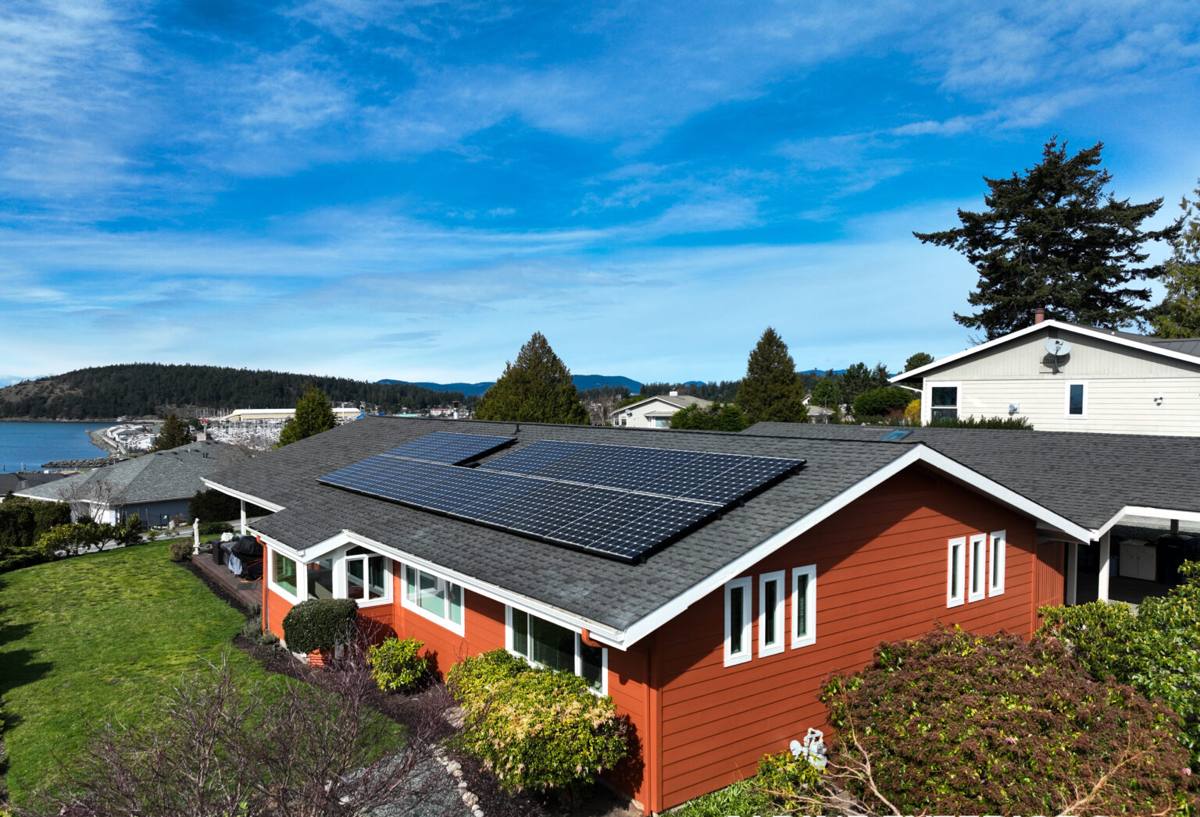
What Pinellas Park's Climate Actually Does to a Wall System
Wind and Storm Loading
Pinellas County sits in a wind-borne debris region, and Pinellas Park homes need siding and fastening that can hold up under sustained high winds, not just survive a single storm season. Fastener spacing, nail penetration depth, and panel overlap all matter more here than they do in low-wind regions — and they're also the details that are easiest for a rushed crew to shortcut.
Wind-Driven Rain and Moisture Intrusion
Florida rain rarely falls straight down during a storm. Wind pushes it sideways and up under laps, trim, and penetrations, which is why the water-resistive barrier, flashing, and caulking details behind the siding matter as much as the siding material itself. A house can have excellent siding on the outside and still develop rot or mold behind it if the moisture management underneath was done poorly.
UV and Heat Cycling
Central Florida sun is intense and consistent year-round. Painted wood and some composite products chalk, fade, and eventually crack under that kind of sustained UV load. Factory-applied, baked-on finishes hold color and resist that breakdown far longer than field-applied paint.
Salt Air
Pinellas Park isn't beachfront, but it's close enough to both the Gulf and Tampa Bay that salt-laden air still reaches inland neighborhoods, especially on windier days. Salt accelerates corrosion of fasteners and trim hardware and can degrade certain coatings faster than a purely inland climate would.
Why James Hardie Fits This Climate Specifically
James Hardie fiber cement is non-combustible, doesn't rot, and is engineered in specific product lines for high-humidity, high-UV, high-wind regions — including a HardieZone system built around exactly the kind of climate St. Petersburg and Pinellas Park sit in. The ColorPlus factory finish is baked on under controlled conditions rather than brushed or sprayed on-site, which gives it materially better UV and fade resistance than field-applied paint. That matters in a market where the sun does real work on a house's exterior twelve months a year.
| Climate Stress | What It Does Over Time | How Correctly Installed Hardie Addresses It |
|---|---|---|
| Wind-driven rain | Pushes moisture behind laps and trim | Proper flashing, house wrap integration, and lap spacing keep water out of the wall cavity |
| Hurricane-force gusts | Stresses fasteners and panel edges | Correct nail pattern, penetration, and blind-nailing where specified hold panels through wind loading |
| UV exposure | Fades and chalks field-applied finishes | Factory-baked ColorPlus finish resists fading far longer than site-painted surfaces |
| Salt air | Corrodes fasteners, degrades coatings | Corrosion-resistant fastener specs and a factory finish that isn't relying on a fresh paint film |
| Humidity/moisture | Rots wood, feeds mold behind cladding | Fiber cement doesn't rot or support mold growth the way wood-based products can |
Choosing the Right HardieZone Line for a Pinellas Park Home
James Hardie engineers its products by climate zone. Homes in this part of Florida fall into the HZ5 zone, which is formulated for high-humidity, high-moisture environments — different from the HZ10 formulation used in drier, colder parts of the country. Getting the zone-correct product matters: it's engineered moisture and freeze-thaw performance for this specific climate, not a generic one-size-fits-all board. Within HZ5, homeowners typically choose between:
- Lap siding — the most common horizontal profile, available in multiple exposures and textures
- Board and batten (vertical) — often used as an accent or full elevation for a more modern look
- Shingle-style panels — for gable accents or a coastal cottage aesthetic
- Soffit and trim products — matched fiber cement components so the whole envelope is consistent, not siding paired with mismatched wood trim
We'll walk through which combination makes sense for your home's style and elevation exposure during the estimate — south and west-facing walls, for instance, take more direct sun and driving rain than north-facing ones, and that can factor into product and detailing choices.
What Correct Installation Actually Involves
The siding material is only part of the equation. Most of the failures we get called out to inspect on other companies' work trace back to installation shortcuts, not the product itself. A correct James Hardie install in this climate includes:
- Removing old siding down to the sheathing and inspecting for existing rot or moisture damage before anything new goes up
- Repairing or replacing any damaged sheathing — covering over a compromised substrate just traps the problem
- Installing a proper water-resistive barrier, correctly lapped and sealed at every seam and penetration
- Flashing all windows, doors, and roof-to-wall transitions before siding installation begins
- Maintaining Hardie's specified minimum clearances from grade, roof lines, and decks so water has somewhere to go
- Following the manufacturer's fastener spacing, type, and penetration depth for this wind zone
- Properly sealing and caulking joints, corners, and trim with products rated for the exposure
- Field-painting cut edges where panels are trimmed on site, since factory finish doesn't extend to a fresh cut
Skip any one of these steps and you can end up with siding that looks fine for a year or two and then starts showing moisture problems, fastener corrosion, or panels working loose in high wind — problems that are expensive to trace back and repair once they're hidden behind finished walls.
Our Process, Start to Finish
We keep the process straightforward and communicate at each stage rather than disappearing until the crew shows up:
- On-site estimate — we walk the exterior, check current siding and sheathing condition where accessible, and talk through product and color options
- Written scope and quote — a clear breakdown of materials, prep work, and what's included, not a vague lump sum
- Scheduling — we work around Florida's storm season timing where possible and give you a realistic window, not an optimistic one
- Tear-off and substrate inspection — old siding comes off, sheathing gets inspected, and we flag any repairs before proceeding
- Weather barrier and flashing — the unglamorous part that determines whether the job holds up over time
- Hardie installation — panels, trim, and accessories installed to manufacturer spec for this wind and moisture zone
- Final walkthrough — we go over the finished work with you before calling the job complete
Why It Matters That We Already Work in Pinellas Park
A crew that regularly works Pinellas Park and the surrounding St. Petersburg area already understands the local permitting process, the wind zone requirements that apply to this part of Pinellas County, and the way local building patterns — slab foundations, block and frame combinations, older ranch homes alongside newer construction — affect siding tear-off and installation. That familiarity shows up in fewer surprises mid-project and a scope that's accurate from the first estimate instead of getting revised once the old siding comes off.
It also means we're not guessing at how this climate treats a wall assembly over time — we've seen what happens when moisture management gets skipped and what holds up when it doesn't, on homes in this same weather.
Signs Your Current Siding Is Already Losing the Battle
- Visible cracking, bubbling, or peeling paint on wood or composite siding
- Soft or spongy spots when you press on siding near the bottom edges or corners
- Persistent staining or streaking that pressure washing doesn't fully remove
- Gaps opening up at seams, corners, or trim joints
- Visible warping, especially on south or west-facing walls
- Rising energy bills that suggest the wall assembly isn't performing the way it should
Any of these are worth a professional look before they turn into sheathing or framing damage that costs significantly more to repair than the siding itself.
Cost Factors Homeowners Should Understand
| Factor | Why It Affects Price |
|---|---|
| Current siding condition | Rotted sheathing found during tear-off adds repair scope beyond the original estimate |
| Home size and elevation complexity | More corners, gables, and trim detail mean more labor and material waste |
| Product line and profile | Board and batten, shingle-style, and wider lap exposures price differently than standard lap siding |
| Color selection | Standard ColorPlus finishes vs. custom or premium color options can affect material cost |
| Access and site conditions | Fencing, landscaping, or tight lot lines can add labor time |
We give a written, itemized quote so you can see exactly what's driving the number rather than a single bottom-line figure.
Maintenance and Long-Term Performance
One of the practical advantages of correctly installed James Hardie siding in this climate is how little ongoing maintenance it needs compared to painted wood. There's no annual repainting cycle to budget for — the factory finish is designed to hold up for years under Florida sun. Realistic upkeep is mostly periodic rinsing to keep salt residue and grime from building up, an annual visual check of caulking and trim joints (the same as you'd do with any siding), and prompt attention if you ever notice a soft spot, gap, or staining. That's a meaningfully lower maintenance burden than wood siding requires in a climate this demanding on painted surfaces.
If you're weighing a siding replacement or repair in Pinellas Park, we're happy to take a look and give you a straightforward, no-pressure estimate — including an honest read on whether your current siding still has useful life left or whether it's time to replace it.