 St. Petersburg Window
 Gulfport's Waterfront Location Changes What Siding Has to Survive
Gulfport sits right on Boca Ciega Bay, and that waterfront position is exactly why siding here wears out faster than it does a few miles inland. Homes closer to the water take a steady diet of salt-laden air, humidity that barely lets up, and driving rain that comes in sideways during summer storms and named systems. Add in Florida's relentless UV exposure — full sun, most of the year, with no real off-season — and you have a combination that finds every weak point in a siding product within a handful of years.
We work Gulfport regularly, alongside the rest of St. Petersburg and Pinellas County, and the pattern is consistent: siding that was rated fine for a generic Florida install starts failing early near the bay specifically because the salt air and moisture cycle harder here than they do a mile or two inland. A siding replacement in Gulfport isn't just about swapping old boards for new ones — it's about choosing a product and installation method built for this specific exposure.
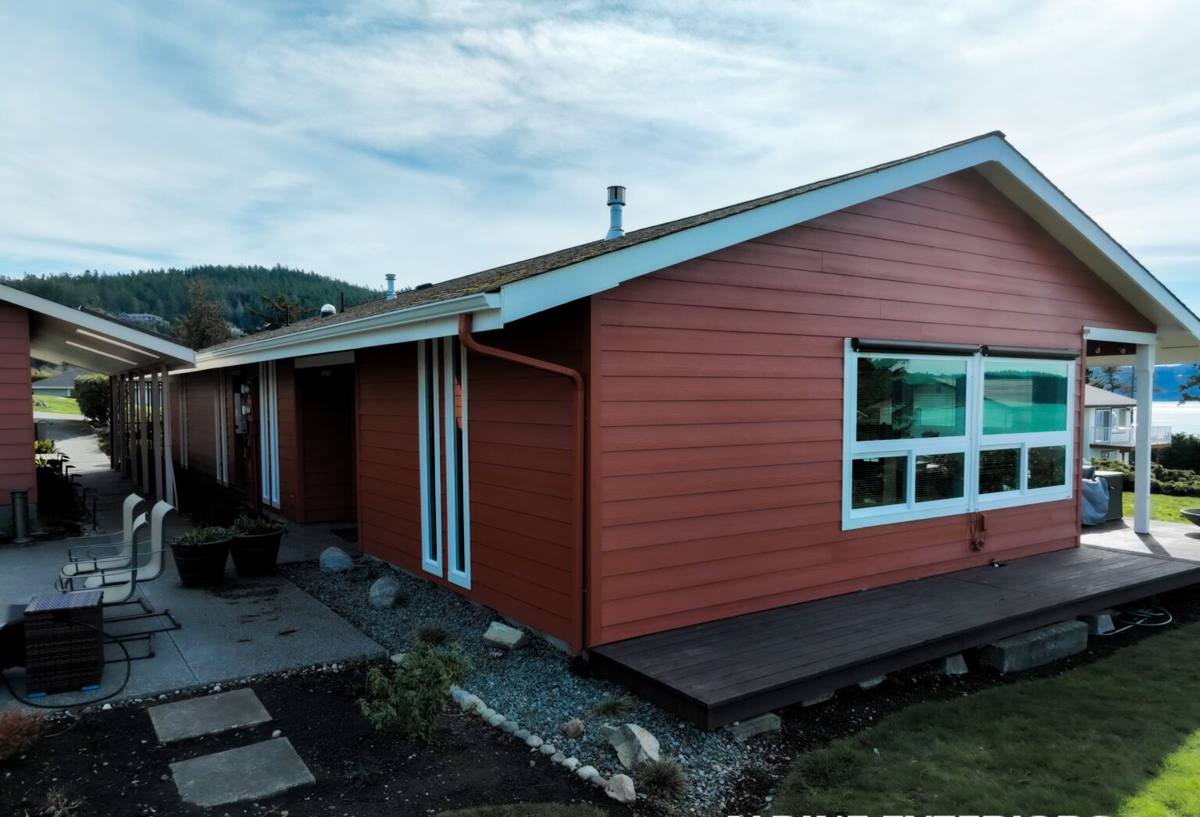
Signs a Gulfport Home Needs Siding Replacement, Not Another Repair
Some siding problems are cosmetic and can wait. Others mean water or wind has already gotten past the surface layer and repair is just delaying a bigger bill. Look for:
- Soft or spongy spots when you press on the siding, especially near the bottom courses or around window and door trim
- Visible cracking, buckling, or panels that have pulled away from the wall line
- Paint that's peeling or bubbling in patterns that follow seams or joints, not just sun-faded color
- Persistent musty smell along an exterior wall, or discoloration on interior drywall near an outside corner
- Rust streaks from fasteners, a sign the original fastening wasn't rated for coastal conditions
- Visible gaps at butt joints or corners where caulk has failed and not been maintained
Any one of these on its own might be a spot repair. Several at once, or damage that shows up on more than one elevation of the house, usually means the underlying moisture barrier or fastening has been compromised and a full replacement is the more honest recommendation.
Why We Install Only James Hardie Fiber Cement
We don't install vinyl, LP SmartSide, or primed wood siding, and we don't apologize for that being a narrower lineup than some contractors offer. It's a deliberate standard. Vinyl softens and warps under sustained heat and can crack in wind events; wood-based products need consistent paint maintenance to keep moisture out, and a missed cycle near the bay shows up fast. James Hardie fiber cement is non-combustible, doesn't rot, and holds up to humidity swings without the same maintenance dependency. Hardie also engineers HZ10 product specifically for higher-humidity, higher-moisture climate zones like ours, which matters more in a place like Gulfport than it would somewhere drier.
That doesn't mean Hardie is maintenance-free or magic — no siding product is. It means the trade-offs land in the homeowner's favor for this specific climate: less repainting, better moisture behavior, and a factory finish (ColorPlus) that's baked on rather than field-applied, which matters when the sun is doing its own kind of damage year-round.
What ColorPlus Factory Finish Actually Buys You
Standard field-painted siding is only as good as the paint job and the repaint schedule that follows it. ColorPlus finish is applied and cured in a controlled factory setting before the boards ever reach the job site, which gives more consistent color and better adhesion than a job-site paint crew can typically match, especially under UV load like Gulfport gets. It's backed by its own finish warranty separate from the substrate warranty, which is worth understanding before you pick a color — we'll walk through both when we quote the job.
What Correct Siding Replacement Actually Involves
Siding replacement done right is mostly about what happens before the new boards go up, not the boards themselves. A rushed re-side over a compromised wall just hides the problem behind new material.
Tear-Off and Wall Inspection
Old siding comes off in full, not patched around. That's the only way to actually see the sheathing underneath — soft spots, prior water damage, or areas where flashing was missing or installed wrong the first time. Any rot gets cut out and replaced before anything new goes on.
Moisture Barrier and Flashing
A weather-resistive barrier goes over the sheathing, with flashing detailed correctly at every window, door, and penetration. This layer is what actually stops wind-driven rain from reaching the structure — the siding itself is the second line of defense, not the first. On a bay-facing elevation in Gulfport, this step gets extra attention because wind-driven rain here comes at the wall harder and more often than it does further inland.
Fastening and Clearances
Hardie board has specific fastener requirements — type, spacing, and penetration depth all matter, and coastal installs call for corrosion-resistant fasteners rated for the exposure. Manufacturer clearance requirements from grade, roofing, and decks also have to be respected, or you create a spot for water to sit against the bottom edge of the siding, which is one of the most common failure points we find on re-inspections.
Joints, Trim, and Caulking
Butt joints, corners, and trim intersections are where most siding failures start. Correct installation includes properly backed joints and the right sealant applied to manufacturer spec — not just caulk squeezed into a gap at the end of the day.
Comparing Siding Approaches for a Waterfront Home
| Factor | Vinyl | Wood-Based / LP-Type | James Hardie Fiber Cement |
|---|---|---|---|
| Salt air resistance | Can become brittle over time | Vulnerable if finish maintenance lapses | Engineered for humid, coastal climates |
| Wind rating in storms | Lower impact resistance | Moderate, finish-dependent | Higher impact resistance, rated for high-wind installation |
| UV/fade resistance | Can fade and warp under sustained heat | Fades unless repainted on schedule | ColorPlus factory finish resists fading |
| Maintenance cycle | Low, but limited repair options | Repaint every few years | Occasional caulk/paint touch-up, no rot cycle |
| Fire resistance | Combustible | Combustible | Non-combustible |
Our Process for a Gulfport Job
We keep the sequence the same on every home, adjusted for the specific exposure and layout of the property:
- Assessment — full walk-around, checking every elevation, moisture readings where the siding is questionable, and a look at trim, soffit, and fascia condition since those often need attention at the same time
- Scope and estimate — a written estimate covering tear-off, any sheathing repair allowance, product line and color selection, and a realistic timeline
- Tear-off and prep — full removal, sheathing repair as needed, new weather-resistive barrier and flashing
- Installation — Hardie board and trim installed to manufacturer spec, with coastal-rated fasteners
- Final detailing — caulking, touch-up paint at cut edges, and a walk-through with the homeowner before we call it done
Choosing the Right Hardie Line and Color for This Exposure
Not every Hardie product or color needs to be treated the same way on a bay-facing home. Darker colors absorb more heat and UV, which can shorten the practical life of any factory finish faster than lighter tones — something worth weighing against the aesthetic you want, especially on elevations that get direct afternoon sun. HZ10 product is worth discussing specifically for homes closest to the water, since it's the line Hardie engineers toward higher humidity and moisture exposure. We'll go through the plank profile, color, and line options during the estimate rather than pushing a default — the right choice depends on your home's orientation and how close you sit to the water.
What Drives Cost on a Siding Replacement
| Cost Factor | Why It Matters |
|---|---|
| Home size and number of elevations | More square footage and corners means more material and labor |
| Sheathing condition found at tear-off | Rot repair is priced separately since it's not knowable until the old siding is off |
| Trim and detail work | Window trim, corner boards, and fascia often get replaced alongside siding |
| Product line selection | Standard HardiePlank vs. HZ10 vs. specialty profiles carry different material costs |
| Color choice | Standard ColorPlus palette vs. custom color affects both cost and lead time |
| Access and site conditions | Waterfront lots, tight setbacks, or landscaping can affect staging and labor time |
Why a Crew That Already Works Gulfport Matters
Siding installation quality depends a lot on judgment calls made on site — how to detail flashing around an older window, how to handle a wall that's seen more moisture exposure than a similar wall a few miles inland, how aggressive to be about fastener corrosion resistance. A crew that already works this specific stretch of St. Petersburg and Pinellas County has already made those calls on other homes with the same bay exposure, the same storm patterns, and often similar age and construction. That's not a substitute for a careful on-site assessment of your particular home, but it does mean fewer surprises and fewer assumptions borrowed from a drier, less coastal job.
It also means practical familiarity with permitting expectations and inspection standards that apply locally, and a realistic sense of how weather windows affect scheduling here versus somewhere without the same storm season considerations.
A Practical Checklist Before You Hire
- Ask what siding material and line is being proposed, and why, for a home in your specific location
- Confirm whether the estimate includes full tear-off and sheathing inspection, not a re-side over existing material
- Ask what fastener type is being used and whether it's rated for coastal exposure
- Get the warranty terms in writing — both the manufacturer's product warranty and the installer's workmanship warranty
- Confirm licensing and insurance, and ask for proof rather than taking it on faith
- Ask how weather delays and storm season are handled in the project timeline
If your Gulfport home is showing signs of siding wear, or you're planning ahead of the next storm season, we're happy to take a look. The estimate is free, there's no pressure to commit on the spot, and you'll get a straight answer about whether you need a full replacement or something less. Use the form below to get started.