 St. Petersburg Window
 Why Siding Installation in Pinellas Park Is Different
Pinellas Park sits in the middle of Pinellas County, close enough to Tampa Bay and the Gulf to catch the same punishing weather that wears down homes all along this stretch of Florida's coast. Siding here isn't just a cosmetic upgrade — it's the first line of defense between your framing and a climate that works against your exterior every day of the year. A siding job that would hold up fine in a drier, milder state can fail here in a fraction of the time if it wasn't chosen and installed with this specific environment in mind.
Hurricane-Force Winds and Wind-Driven Rain
Tropical storms and hurricanes push rain sideways, not down. That means water gets forced up under laps, into seams, and behind panels that weren't properly flashed or fastened. Wind uplift is just as serious a concern — siding that isn't fastened to the manufacturer's specified pattern and nailing schedule can loosen, crack, or blow off entirely during a strong storm, leaving the wall sheathing exposed.
Intense, Year-Round UV
Florida sun is relentless almost twelve months a year. UV exposure breaks down pigments and coatings, which is why so many homes in this area show chalky, faded siding on their sun-facing walls within just a few years of installation. Heat cycling — the daily expansion and contraction as siding heats up and cools down — also stresses joints, caulk lines, and fastener points over time.
Salt Air and Coastal Humidity
Even homes that aren't directly on the water pick up salt-laden air moving in off Tampa Bay and the Gulf. Combined with Pinellas County's humidity, this accelerates corrosion on fasteners and trim, and it keeps moisture sitting against siding surfaces longer than it would in a drier climate. Materials and installation details that ignore this reality tend to show problems early — swelling, staining, soft spots, or paint failure.
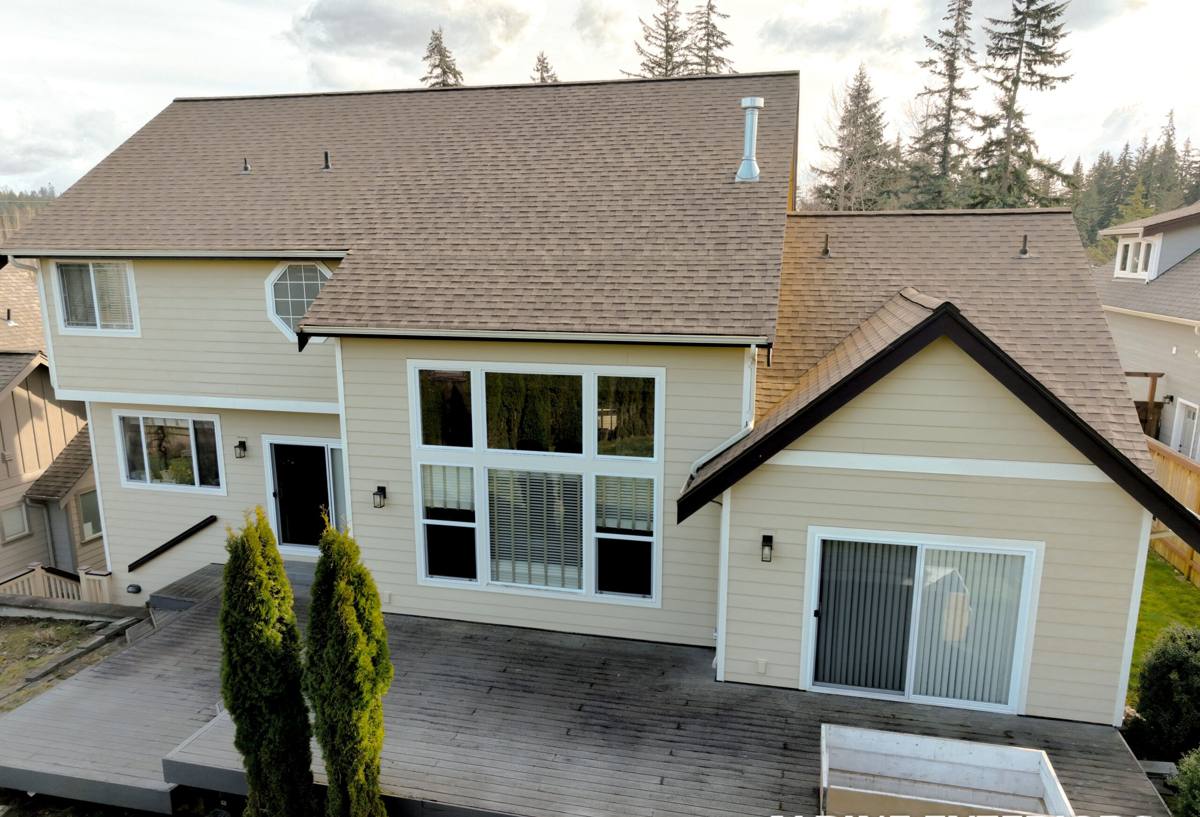
What a Correct Siding Installation Actually Involves
Siding is a system, not just a set of panels nailed to the wall. Every layer behind the visible surface matters as much as the siding itself, and skipping or rushing any one of them is where most premature failures start.
- Substrate inspection: checking the existing sheathing for rot, soft spots, or prior water damage before anything new goes up
- Weather-resistive barrier: a continuous moisture barrier installed correctly, with all seams and penetrations properly lapped and sealed
- Flashing at every penetration: windows, doors, hose bibs, vents, and any other wall penetration need flashing that directs water back out, not into the wall cavity
- Manufacturer-specified fastening: correct fastener type, spacing, and depth — critical in a wind zone where under- or over-driven fasteners compromise holding strength
- Proper clearances: siding held at the right distance from grade, roof lines, decks, and other transitions so water can't wick up into the material
- Correct joint and seam treatment: laps, corners, and butt joints installed and sealed to shed water rather than trap it
Any one of these done wrong shortens the life of the whole system, even if the siding product itself is excellent. This is why we treat installation quality as equal in importance to product selection.
Why We Install Only James Hardie Fiber Cement
We made a decision as a company to install James Hardie fiber cement siding exclusively — not vinyl, not LP SmartSide, not primed wood, not other fiber cement brands. That's not a marketing angle; it's a standard we hold because of what this specific climate does to exterior materials over time.
| Consideration | Why It Matters in Pinellas Park |
|---|---|
| Non-combustible material | Fiber cement doesn't contribute fuel to a fire the way vinyl or wood-based products can |
| Dimensional stability | Resists the warping and buckling that heat cycling and humidity can cause in vinyl and some wood-composite sidings |
| Factory-applied ColorPlus finish | Baked-on finish resists UV fading better than field-applied paint, which matters under Florida's sun exposure |
| Engineered for humid climates | Hardie's HZ product lines are specifically formulated for high-moisture, high-humidity regions like the Gulf Coast |
| Moisture resistance | Fiber cement doesn't absorb and swell with water the way some wood-based composite sidings can |
| Transferable warranty | A strong, well-documented warranty that adds resale value and long-term peace of mind |
We're not going to pretend every other siding product on the market is without merit — vinyl is inexpensive and low-maintenance in mild climates, and engineered wood siding has genuine fans. But when we weigh cost, maintenance burden, moisture behavior, and long-term performance against what this specific coastal climate demands, James Hardie is the product we're willing to put our name behind. Installing a product we don't fully trust here isn't a trade-off we're willing to make.
Our Installation Process for Pinellas Park Homes
- On-site assessment: we inspect your current siding, sheathing, and trim to identify any hidden damage before quoting the job
- Product and profile selection: choosing the right Hardie plank, panel, or shingle profile and color for your home's style and sun exposure
- Tear-off and substrate repair: removing old siding and repairing or replacing any compromised sheathing underneath
- Weather barrier and flashing installation: the moisture-management layer goes in before a single piece of siding is hung
- Siding installation to manufacturer spec: correct fastening, clearances, and joint treatment throughout
- Trim, caulking, and final detailing: sealing every seam and transition point that could otherwise let water in
- Final walkthrough: reviewing the finished job with you before we consider it complete
Cost Factors for Siding Installation in Pinellas Park
Every home is different, so we won't quote a number without seeing your property, but these are the main factors that move the price of a siding installation up or down.
| Factor | How It Affects the Job |
|---|---|
| Home size and wall complexity | More square footage, gables, and architectural detail means more material and labor |
| Condition of existing sheathing | Hidden rot or water damage discovered during tear-off adds repair scope |
| Siding profile and accessories | Lap siding, panel systems, and trim/shingle accents vary in material and labor cost |
| Number of stories | Multi-story homes require more staging and safety setup |
| Existing siding removal | Full tear-off adds labor and disposal cost compared to installing over an already-bare substrate |
Signs Your Pinellas Park Home Needs New Siding
- Visible warping, buckling, or cracking panels, especially on sun-facing or storm-facing walls
- Soft spots or give when you press on the siding, which can indicate moisture damage behind it
- Paint or finish that's chalking, peeling, or fading unevenly
- Rising energy bills that can't be explained by anything else, suggesting compromised insulation behind the siding
- Visible gaps, loose panels, or fasteners backing out after storm season
- Mold, mildew, or staining that keeps returning no matter how often it's cleaned
Why Hiring a Crew That Already Works in Pinellas Park Matters
Installation quality is what separates siding that lasts decades from siding that fails in five years — and that quality depends heavily on a crew understanding the conditions they're building for. A contractor who regularly works in Pinellas Park and the surrounding Pinellas County area already knows how to detail flashing for wind-driven rain, how to space fasteners for local wind-load requirements, and where past storms tend to expose weak points in a typical installation. That local, repeated experience shows up in the details — the ones you won't notice until years down the road, when they either hold up or don't.
It also means faster response if a warranty question or a storm-related concern comes up later. A crew based in the area isn't a stranger showing up once and moving on; they're accountable to a neighborhood they keep coming back to.
Maintenance and Longevity After Installation
Correctly installed James Hardie siding is genuinely low-maintenance, but "low-maintenance" doesn't mean "no maintenance" in this climate. A periodic rinse to clear salt residue and airborne debris, a visual check after major storms for loose trim or caulking that's separated, and prompt attention to any landscaping that's grown up against the siding will all extend its already long service life. Because the ColorPlus finish is factory-applied and baked on, you're not looking at repainting on the schedule you would with field-painted wood or some composite products — that's one of the practical, day-to-day advantages homeowners notice most.
If your Pinellas Park home's siding is showing its age or you're planning ahead of the next storm season, we're happy to take a look and give you an honest assessment. Reach out for a free, no-pressure estimate using the form below.