 St. Petersburg Window
 Gulfport's Exterior Walls Work Harder Than Most
Gulfport sits close enough to Boca Ciega Bay and the open Gulf that salt-laden air is a daily fact of life, not an occasional nuisance. Add in Pinellas County's intense year-round UV exposure, seasonal wind-driven rain, and the real possibility of hurricane-force winds, and you have an exterior envelope that's under constant attack from four directions at once: salt corrosion, sun degradation, moisture intrusion, and wind load. Siding on a Gulfport home isn't just a cosmetic layer — it's the first line of defense for the framing, sheathing, and insulation behind it.
That combination is exactly why we don't treat siding as a one-size-fits-all product decision. For homes in this neighborhood, we install James Hardie fiber cement siding exclusively, and we install it to a standard that accounts for what this specific stretch of coastline does to a wall system over time.
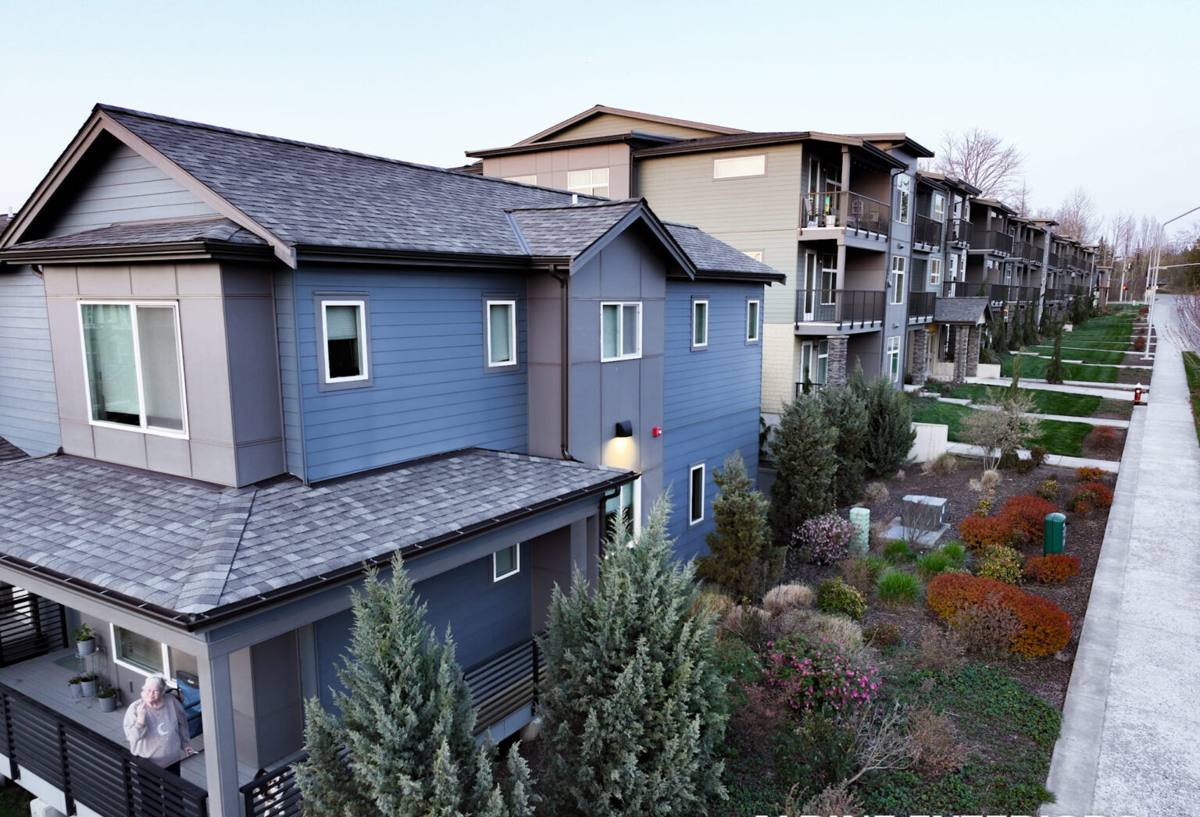
What Salt Air, UV, and Wind-Driven Rain Actually Do to Siding
It helps to understand the mechanisms, not just the buzzwords:
- Salt air is corrosive to metal fasteners, trim accessories, and any exposed hardware. It also accelerates the breakdown of lower-grade coatings, leaving chalky, faded surfaces years before a manufacturer's stated finish life.
- UV exposure in this part of Florida runs stronger and more constant than in most of the country. Pigments in cheaper paints and factory finishes fade unevenly, and some plastics and composites become brittle over years of direct sun.
- Wind-driven rain doesn't fall straight down — during a storm it drives sideways and upward under laps, around openings, and into any gap in flashing or caulk. Materials that swell, wick moisture, or lack proper water-management detailing behind them are the ones that fail from the inside out, often before a homeowner sees anything wrong on the surface.
- Wind load from tropical storms and hurricanes tests every fastener and every inch of overlap. Siding that's under-fastened, over-fastened, or installed with the wrong nailing pattern can lift, crack, or blow off in a storm even if the material itself is rated for the wind zone.
None of these forces act alone — they compound. A coating weakened by UV is more vulnerable to salt corrosion. A panel that's absorbed moisture from a poor flashing detail is weaker against wind uplift. That's the reality any siding system on a Gulfport home has to be engineered for.
Why We Standardized on James Hardie for This Area
James Hardie fiber cement is a cement, sand, and cellulose fiber composite — non-combustible, dimensionally stable, and manufactured with a factory-applied ColorPlus finish baked on under controlled conditions rather than field-painted. That matters here for a few concrete reasons:
- Fiber cement doesn't rot, and it doesn't attract the pests that go after wood-based products in Florida's humidity.
- It holds its shape in heat and doesn't warp or buckle the way some lighter composite and vinyl products can when a wall gets hot in direct summer sun.
- The factory finish is engineered specifically to resist UV fade and hold color longer than most field-applied paint systems, which matters given how strong and constant sun exposure is in this part of Florida.
- James Hardie's HZ5 product line is engineered for regions with high humidity and moisture exposure — relevant for a neighborhood this close to the water.
We're upfront that this isn't the only siding material on the market. Vinyl, LP SmartSide, and cedar all have their place and their advocates. We simply don't install them, because after years of doing exterior work in this climate, we're not willing to put our name on a product whose trade-offs — moisture sensitivity, coating longevity, or maintenance burden in salt air — show up as callbacks five or ten years down the line. Hardie is what we stand behind.
How Hardie Compares on the Factors That Matter Here
| Factor | James Hardie Fiber Cement | Vinyl Siding | Wood / Engineered Wood |
|---|---|---|---|
| Salt air resistance | Strong — non-corroding substrate, factory finish | Can become brittle and discolored over time | Vulnerable without diligent coating maintenance |
| UV / color retention | Factory-cured finish, long warranty on color | Fades and chalks with sustained sun exposure | Field paint fades faster, needs recoating |
| Moisture behavior | Doesn't absorb water like wood; stable when correctly flashed | Doesn't absorb, but seams and gaps can trap water behind it | Absorbs moisture; prone to swelling, rot without upkeep |
| Wind performance | Rated for high-wind installation when fastened to spec | Can crack or blow off in sustained high winds | Depends heavily on fastening and panel condition |
| Fire resistance | Non-combustible | Combustible | Combustible |
| Typical maintenance | Occasional wash; repaint only if ever desired | Low, but limited repair options if damaged | Regular repainting/sealing required |
What a Correct James Hardie Installation Involves
The material is only half the equation. Fiber cement siding performs exactly as well as its installation, and in a coastal wind zone like this one, installation details are where jobs succeed or fail. A correct job includes:
Water Management Behind the Siding
Proper weather-resistant barrier, correctly lapped and sealed housewrap, and flashing at every window, door, and penetration — installed so that any water that gets past the siding sheds back out rather than sitting against the sheathing. This is the detail that matters most during wind-driven rain events.
Fastening to Manufacturer and Wind-Zone Specifications
James Hardie publishes specific fastener types, spacing, and embedment requirements, and those specs get more conservative in high-wind regions. Under-driven or over-driven fasteners, wrong fastener spacing, or skipped studs are common shortcuts that don't show up until a storm tests the wall.
Proper Gaps, Caulking, and Clearances
Fiber cement needs the correct gap at trim, corners, and butt joints, sealed with a compatible sealant — not caulked tight against every surface, which traps moisture instead of letting it drain.
Corner and Trim Detailing
Corners, soffits, and trim boards need to integrate with the siding's water management plan, not just look finished from the street.
Factory-Finish Touch-Up Done Right
Any field cuts or touch-up work uses Hardie-approved products so the factory finish's warranty and UV performance aren't compromised at seams and edges.
Our Process on a Gulfport Job
- On-site inspection: we assess the current siding, sheathing condition, moisture history, and any storm damage before quoting anything.
- Product and color selection: we walk through Hardie's plank, shingle, and panel lines along with ColorPlus color options suited to the home's style and HOA or neighborhood expectations where relevant.
- Prep and tear-off: removal of old siding, inspection and repair of sheathing, and correction of any existing moisture damage before new material goes up.
- Weather barrier and flashing installation: the water-management layer goes in first and gets inspected before siding covers it up.
- Siding installation to spec: fastening, gapping, and detailing done to Hardie's published requirements for this wind zone.
- Final finish and walkthrough: trim, caulking, touch-up, cleanup, and a walkthrough so you understand what was done and how to maintain it.
Why a Crew That Already Works Gulfport Matters
Installation quality is only part of the story — familiarity with the area shortens the distance between a good plan and a good result. A crew that regularly works this stretch of Pinellas County already understands practical realities like typical home construction styles in the area, how salt exposure varies depending on proximity to the water, and how local wind and moisture conditions tend to stress a wall system over the years. That translates into fewer surprises during tear-off, more accurate estimates, and a finished product installed with this specific climate in mind rather than a generic spec sheet.
Signs Your Current Siding May Be Falling Behind
- Visible warping, buckling, or soft spots when pressed
- Paint or finish that's chalking, peeling, or fading unevenly
- Staining or discoloration near seams, corners, or below windows — a sign of water intrusion
- Rust streaks from corroding fasteners or trim hardware
- Increased pest activity around wall penetrations
- Rising energy bills that may point to a compromised weather barrier
- Visible damage after a storm, even if it looks minor
Any one of these is worth a professional look before it turns into a bigger repair.
What Affects Cost on a Siding Project
| Cost Factor | Why It Matters |
|---|---|
| Home size and wall complexity | More square footage and more corners, gables, and trim detail increase labor time |
| Current condition of sheathing | Rot or moisture damage found during tear-off requires repair before new siding goes on |
| Product line and profile chosen | Lap plank, shingle, and panel styles carry different material and installation costs |
| Color and trim selection | ColorPlus factory finishes vs. field-painted options affect both cost and long-term maintenance |
| Accessibility of the home | Multi-story sections or tight lot access can add labor time |
We provide firm, itemized quotes after an on-site inspection rather than ballpark numbers over the phone — the variables above genuinely change the price, and we'd rather be accurate than fast.
Maintaining Hardie Siding in a Salt-Air Environment
One of the practical advantages of fiber cement here is how little upkeep it needs compared to wood or lower-grade composites. That said, coastal conditions still call for some basic care: periodic rinsing to clear salt residue and airborne grime, prompt attention to any caulk that separates at trim joints, and a visual check after major storms for cracked panels or lifted trim. None of this is labor-intensive, but staying ahead of it is what lets the material deliver on its expected lifespan in this environment.
Get a Straight Answer for Your Home
If you're weighing a siding replacement in Gulfport, we're happy to take a look, walk you through what we're seeing, and give you a straightforward, no-pressure estimate — no invented urgency, just an honest read on your home's condition and what correct James Hardie installation would involve. Use the form below to get started.