 St. Petersburg Window
 Metal Roofing in Seminole: A Roof System Built for This Specific Climate
Seminole sits close enough to the Gulf that salt air, humidity, and storm exposure shape every roofing decision homeowners here make. A roof that performs fine inland can fail early a few miles closer to the water. Metal roofing has become one of the most requested upgrades in this part of Pinellas County because, installed correctly, it holds up to the specific combination of conditions Seminole homes deal with year-round: sustained heat and UV, sudden wind-driven downpours, and the corrosive effect of salt-laden air moving in off the Gulf of Mexico.
This page covers what a correct metal roof installation looks like for a Seminole home specifically — not roofing in general — along with the system options, the cost factors, and what to check before you hire anyone to do the work.
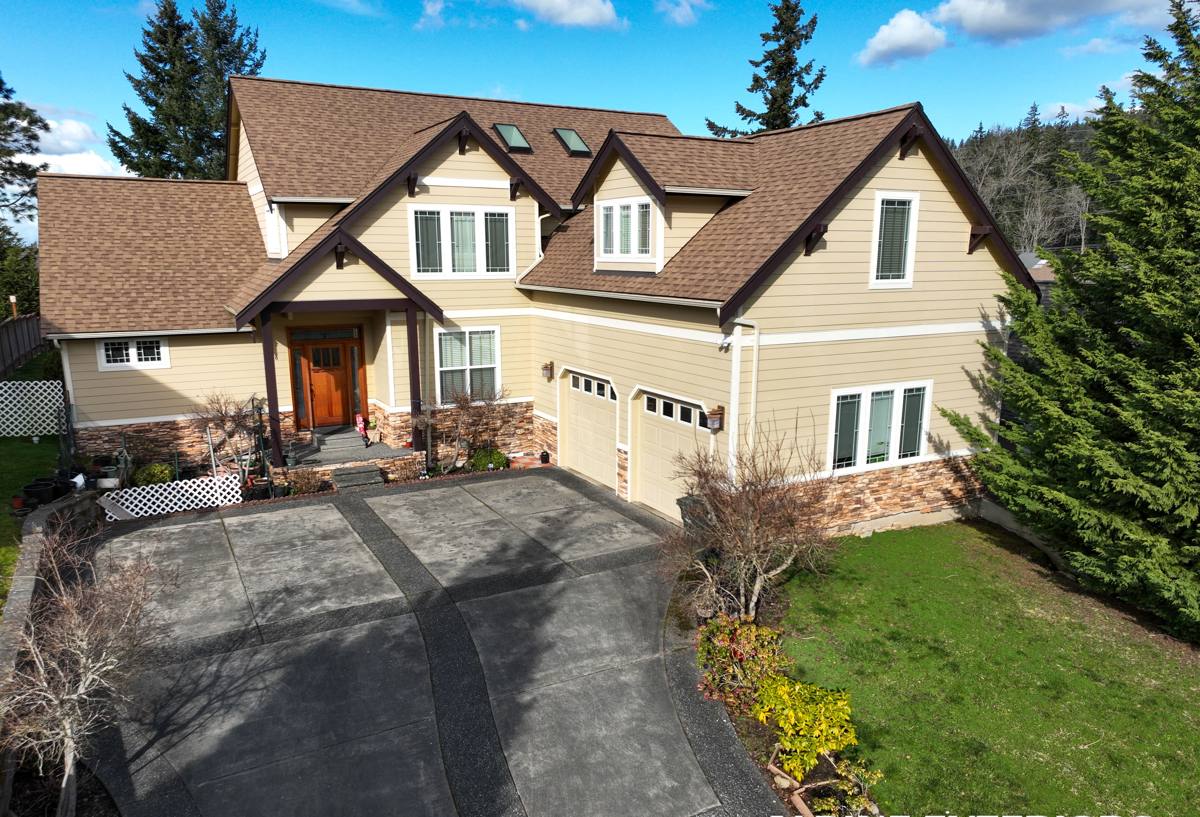
What Seminole's Climate Actually Demands From a Roof
Hurricane-Force Wind
Seminole falls within Pinellas County's high-velocity hurricane wind zone. Roofing materials and fastening patterns here have to meet wind uplift requirements that don't apply in most of the country. A metal roof's wind performance comes almost entirely from how it's fastened and how its panels lock together — not from the metal itself — which is why installation quality matters more here than the marketing on the product box.
Intense, Year-Round UV
Florida sun breaks down roofing materials faster than almost anywhere else in the continental U.S. UV exposure is constant, not seasonal, so finishes and coatings that hold their color and integrity under sustained sun exposure are worth paying attention to, not just the metal gauge.
Wind-Driven Rain
It's rarely straight-down rain here — storms push water sideways and upward under wind pressure. A roof that sheds water fine in calm conditions can still let water in in the exact spots this kind of rain works its way into: seams, fastener penetrations, and flashing details around vents, chimneys, and roof-to-wall transitions.
Salt Air
Being close to the coast means airborne salt settles on every exterior surface, including the roof. Salt accelerates corrosion on unprotected or poorly coated metal and can quietly degrade fasteners, flashing, and cut edges over time if the wrong materials or finishes were used.
Metal Roofing Systems: What We Actually Install and Why
Not all metal roofing is the same product wearing different colors. The panel style changes how the roof handles wind, water, and fasteners — which matters a lot in a coastal wind zone like this one.
| System | How It's Fastened | Wind Performance | Best Fit |
|---|---|---|---|
| Standing Seam | Concealed clips; no exposed screws through the panel face | Strongest option for uplift resistance when installed correctly | Homes wanting the longest maintenance interval and cleanest look |
| Metal Shingle / Stone-Coated | Interlocking panels, fasteners largely covered by the next course | Good, if the interlock and fastening pattern are correct | Homeowners who want a traditional shingle look with metal's durability |
| Exposed-Fastener Panel | Screws driven directly through the panel face into the deck | Solid when fastener spacing and gasket condition are maintained | Budget-conscious projects, accessory structures, some roof shapes |
Standing Seam
Because there are no fasteners penetrating the panel face, standing seam has the fewest long-term points of water entry and the fewest maintenance items over the life of the roof. It's the system we recommend most often for Seminole homes where minimizing future upkeep and maximizing wind performance are the priority.
Metal Shingles and Stone-Coated Panels
These give homeowners a more traditional roof appearance — closer to shingle or tile profiles — while still delivering metal's wind and weather performance. The tradeoff is more seams and interlocking joints than standing seam, so correct installation of the interlocks matters even more.
Exposed-Fastener Panels
These cost less up front, but every screw is a potential future leak point once its rubber washer ages and hardens under UV exposure. We're upfront with clients about this tradeoff — it's a legitimate option for the right project, but it does carry a different maintenance schedule than a concealed-fastener system, and homeowners should choose it knowing that going in.
What a Correct Metal Roof Installation Actually Involves
Deck Inspection and Prep
Metal roofing only performs as well as what it's fastened to. Before any panel goes down, the existing deck needs to be inspected for soft spots, moisture damage, and proper thickness — problems that are common on older Pinellas County homes and get sealed in, not fixed, if a crew skips straight to installation.
Underlayment
A high-temperature-rated synthetic or self-adhering underlayment goes down before the metal. This is the roof's real waterproofing layer and backup line of defense — it's what keeps a home dry if wind-driven rain ever gets past the metal at a seam or penetration.
Fastening and Wind Uplift
Fastener type, spacing, and clip design have to match the wind uplift rating required for the home's location and roof geometry. This is where a lot of the difference between a roof that performs in a storm and one that doesn't actually gets decided, and it's specified in the local building code and permit, not left to guesswork.
Flashing and Penetrations
Every vent pipe, chimney, skylight curb, and wall transition is a place water can find its way in. Flashing has to be formed and layered correctly with the underlayment and panels — this detail work is the single most common source of leaks on metal roofs that were otherwise installed reasonably well.
Ventilation
Proper attic ventilation keeps heat and moisture from building up under the roof deck, which matters in Florida's heat and humidity for both energy performance and the long-term condition of the decking itself.
Our Process, Start to Finish
- On-site inspection: We assess the existing roof, decking condition, and any problem areas specific to the home before recommending a system.
- System and finish selection: We walk through panel style, finish, and color options based on the home's design and the homeowner's budget and priorities.
- Permitting: We handle the permit and wind-uplift documentation required for the job, which is required for roofing work in this jurisdiction.
- Tear-off and deck repair: Old roofing is removed and any compromised decking is replaced before underlayment goes down.
- Underlayment and flashing installation: The waterproofing layer and all flashing details are installed and sealed.
- Panel installation: Panels are fastened to the manufacturer's and code-required spacing and pattern.
- Final inspection and walkthrough: We review the finished roof with the homeowner and confirm it passes the required inspection.
What Drives the Cost of a Metal Roof in Seminole
Every quote should be based on an actual on-site assessment, but these are the factors that move the number up or down on most jobs in this area.
| Factor | Why It Matters |
|---|---|
| Panel system | Standing seam typically runs higher than exposed-fastener panels due to labor and material differences |
| Roof complexity | Hips, valleys, dormers, and multiple penetrations add labor and flashing work |
| Decking condition | Rotted or undersized decking found during tear-off needs replacement before installation continues |
| Finish and coating | Higher-grade UV and corrosion-resistant coatings cost more but last longer in this climate |
| Wind uplift requirements | Higher-rated fastening patterns and clips add material and labor cost but are non-negotiable in this wind zone |
As a general range, homeowners in this area typically see metal roofing installation cost more per square foot than asphalt shingles up front, offset over time by a longer service life and fewer replacement cycles. An accurate number always requires a look at the actual roof.
Signs a Seminole Roof Needs Attention Now
- Visible rust streaks or discoloration coming from fasteners or seams
- Panels that look loose, wavy, or lifted at the edges after a storm
- Sealant around vents, chimneys, or skylights that's cracked, shrunk, or missing
- Water stains on interior ceilings, especially near roof penetrations
- Chalking or fading of the roof's coating well before its expected service life
- Debris buildup in valleys that's holding moisture against the roof surface
Maintenance That Actually Extends a Metal Roof's Life Here
- Do a visual check after any major storm, particularly for lifted panels or loose fasteners
- Keep gutters and valleys clear of leaves and debris so water doesn't pool against the roof
- Rinse off accumulated salt residue periodically, especially on homes closer to the water
- Have flashing and sealant around penetrations checked every couple of years, not just when a leak shows up
- Trim back overhanging branches that can scratch through protective coatings
- Address small rust spots or scratches promptly before they spread under the coating
Why a Crew That Already Works in Seminole Matters
A roofing crew that regularly works in Seminole and the surrounding St. Petersburg area already knows the local wind-uplift and permitting requirements, has a working relationship with the local permitting process, and has seen firsthand how roofs in this specific area hold up — or don't — a few years after installation. That's different from a crew that mainly works inland and treats every coastal job as a one-off.
It also matters for accountability. A contractor with an ongoing presence in Pinellas County has a reason to stand behind the work years down the road, not just get through the install and move on. When you're trusting a roof to hold up against hurricane winds and salt air for decades, that local track record is worth factoring into who you hire.
Questions to Ask Before You Hire Anyone for This Job
- Are you licensed to do roofing work in Florida, and can you provide proof of insurance?
- Will you pull the required permit, or is that left to me?
- What wind uplift rating will the fastening pattern meet for my specific roof?
- What underlayment and flashing materials are included, not just the panel itself?
- What's the manufacturer's warranty, and what's covered under your workmanship warranty separately?
If you're weighing metal roofing for a home in Seminole, we're glad to take a look and walk you through what your specific roof needs — no pressure, no obligation. Request a free estimate below and we'll get back to you with straight answers.