 St. Petersburg Window
 Siding That Can Actually Handle Shore Acres Weather
Shore Acres sits close to the water on the northeast side of St. Petersburg, and that location shapes everything about how siding should be chosen and installed here. Homes in this neighborhood face the full range of what Pinellas County's climate can throw at an exterior wall: hurricane-force wind gusts during storm season, intense year-round UV that never really lets up, wind-driven rain that gets pushed sideways into wall assemblies, and a steady dose of salt air coming off the bay. Any one of those factors will wear down a mediocre siding job. Combined, they will find every weak point in a siding system within a few years — not a few decades.
This page is specifically about siding installation for Shore Acres, not siding in general. The product, the installation details, and the crew's local knowledge all matter more here than they would in an inland, low-wind, low-humidity market.
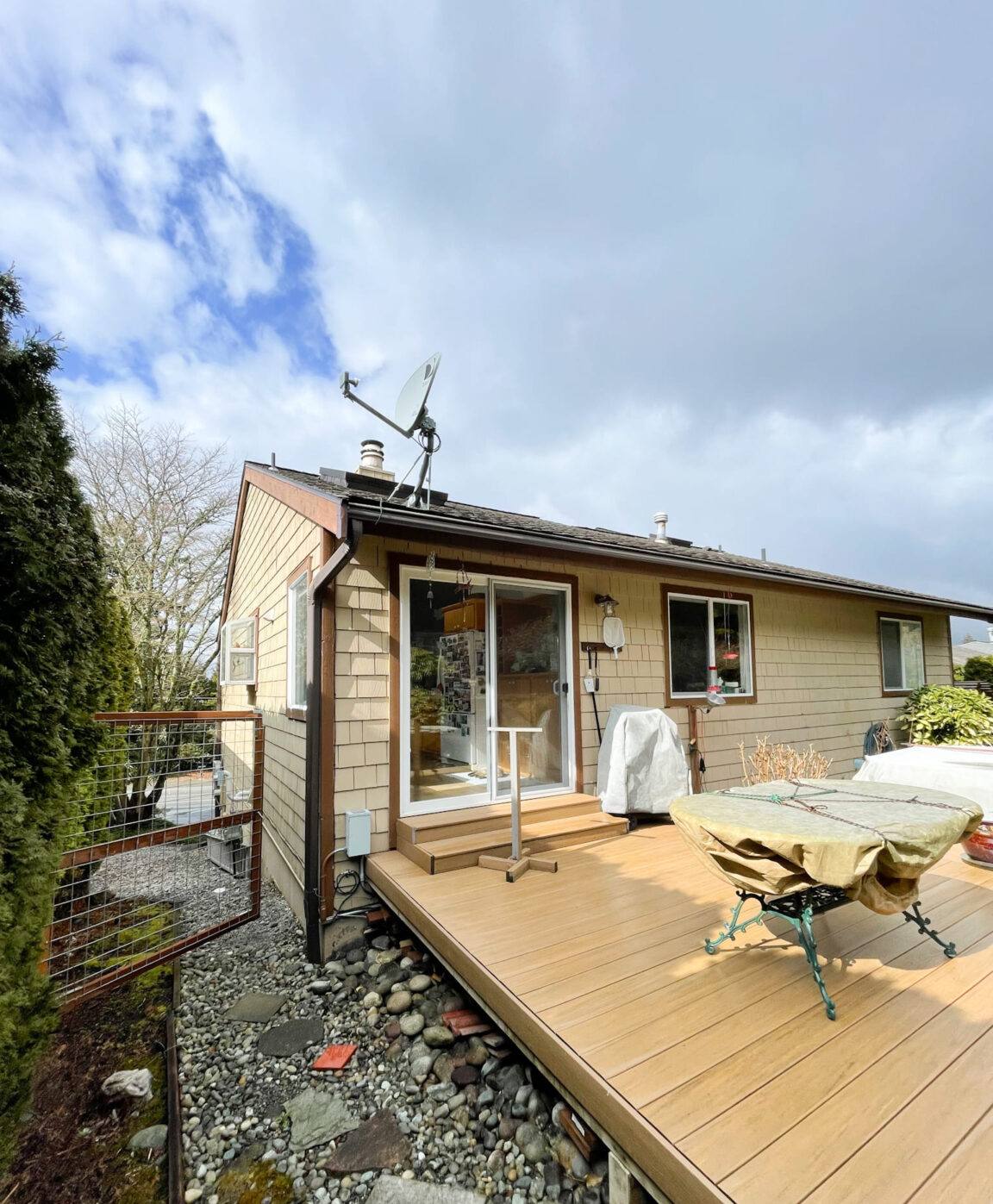
What Shore Acres' Coastal Setting Demands From a Siding System
Salt Air and Corrosion
Being near the water means airborne salt is constantly settling on exterior surfaces. Salt is corrosive to unprotected metal fasteners, trim, and flashing, and it accelerates the breakdown of coatings that aren't rated for coastal exposure. Siding, fasteners, and trim all need to be chosen with that in mind, not just picked off a standard inland spec sheet.
Wind-Driven Rain and Moisture Intrusion
During tropical storms and heavy summer squalls, rain in this part of Florida doesn't just fall — it's driven horizontally into walls under wind pressure. Siding that relies on face-sealed caulk joints instead of proper drainage and flashing will eventually let water behind it. Once moisture gets into the wall assembly, it doesn't dry out quickly in Florida's humidity, and that's when sheathing rot and mold problems start.
UV Exposure
St. Petersburg gets a lot of direct sun almost every month of the year. Paint finishes that aren't factory-baked and UV-stabilized fade unevenly, chalk, and need repainting far sooner than the manufacturer's brochure implies. On a coastal property, sun exposure is compounded by salt residue, which makes surface breakdown even faster.
Storm-Force Wind Loads
Pinellas County building code requires siding assemblies to meet specific wind-load and fastening requirements, and homes near open water often fall into higher wind-exposure categories than homes a few miles inland. Nail patterns, fastener embedment, and panel engagement all have to be installed to spec — not just "close enough" — or the siding can lift, crack, or blow off in a serious wind event.
Why We Install Only James Hardie Fiber Cement Siding
We standardized on James Hardie fiber cement siding for every job we do, including here in Shore Acres, and we don't install vinyl, LP SmartSide, Cemplank, Allura, or unfinished wood siding. That's a deliberate professional decision, not a sales preference. Fiber cement is non-combustible, dimensionally stable in heat and humidity, and available in Hardie's climate-engineered HZ10 product line, which is formulated specifically for high-moisture, high-heat regions like the Florida Gulf Coast. The factory-applied ColorPlus finish is baked on and warranted against fading, which matters enormously in a location that gets this much sun and salt exposure.
| Material | How It Handles Coastal Sun & Salt | How It Handles Wind-Driven Rain | Long-Term Trade-Off |
|---|---|---|---|
| Vinyl siding | Can warp, fade, and become brittle under sustained UV and heat | Relies on lap overlap; can be pushed off track by wind or forced water | Lower upfront cost, shorter realistic lifespan on exposed coastal homes |
| LP SmartSide (engineered wood) | Painted finish needs consistent upkeep in salt-air exposure | Wood-based substrate is more sensitive to sustained moisture contact | Requires more disciplined maintenance to protect the wood core |
| James Hardie fiber cement | Factory ColorPlus finish resists fading; material itself doesn't rot | Non-combustible, moisture-resistant substrate holds up when properly flashed | Higher upfront investment, longer service life when installed to spec |
None of this means the alternatives are junk — vinyl and engineered wood both have a place in less demanding climates. It means that for a neighborhood exposed to hurricane winds, salt air, and constant UV, we think fiber cement is the more honest long-term recommendation, and it's the only product we put our name behind installing.
What a Correct Siding Installation Actually Involves
The siding material is only part of the equation. A large share of siding failures we see on older Shore Acres homes trace back to installation shortcuts, not the product itself. A correct installation includes:
- Tear-off and wall inspection. Removing the old siding down to the sheathing so it can actually be inspected for rot, delamination, or prior water damage before anything new goes up.
- Sheathing repair. Replacing any compromised sheathing rather than covering it up — new siding over rotten sheathing just hides a problem for a few more years.
- Weather-resistive barrier installation. A properly lapped and taped moisture barrier is the drainage plane that keeps wind-driven rain from reaching the wood framing behind the siding.
- Flashing at every penetration. Windows, doors, hose bibs, vents, and other penetrations need integrated flashing so water is directed out and down, not trapped behind the siding.
- Fastening to manufacturer and code specification. Nail type, spacing, and embedment depth all need to match Hardie's requirements for the local wind zone — this is where a lot of unlicensed installs cut corners.
- Correct joint and clearance details. Proper gapping at butt joints, corners, and ground clearance so the siding can handle normal expansion and doesn't wick up moisture from grade.
- Caulking and sealant at the right joints only. Sealant belongs at specific transitions, not as a substitute for proper flashing everywhere else.
- Final cleanup and touch-up. Site cleared of debris and any factory finish nicks touched up with matched ColorPlus product.
Choosing the Right Hardie Product Line for a Shore Acres Home
Shore Acres has a mix of home styles, and the right Hardie profile depends on the look you're going for as much as the performance requirements:
- HardiePlank lap siding — the most common choice for traditional and ranch-style exteriors, available in several exposure widths and textures.
- HardiePanel vertical siding — often used for a board-and-batten look on accents, gables, or full elevations for a more modern or coastal aesthetic.
- HardieTrim boards — used around windows, doors, corners, and fascia so the whole exterior system, not just the field siding, is fiber cement and factory-finished.
All of these are available in Hardie's ColorPlus palette, which lets a home get a consistent, factory-matched finish across siding and trim rather than a field-painted patchwork that will fade at different rates.
What Siding Installation Costs in Shore Acres
Every home is different, so we don't quote a number without seeing the property, but the main cost drivers are consistent from job to job:
| Cost Factor | Why It Matters |
|---|---|
| Home size and wall area | More square footage of siding and trim means more material and labor |
| Number of stories | Second-story work requires more scaffolding/staging and slows installation |
| Existing siding removal | Tear-off of old siding, especially multiple layers, adds labor time |
| Sheathing condition | Rot or water damage found during tear-off requires repair before install |
| Trim and architectural detail | Corners, gables, window casings, and accent panels add material and labor |
| Access and lot layout | Narrow canal-front lots or tight side yards can slow staging and material handling |
| Profile and finish selection | Certain HardiePlank textures and ColorPlus colors run at different price points |
We provide a written, itemized estimate before any work starts, so there are no surprises once the crew is on site.
Signs Your Shore Acres Home Is Ready for New Siding
Coastal wear on siding often shows up gradually, and homeowners sometimes don't notice until it's advanced. Watch for:
- Visible cracking, warping, or buckling in siding boards or panels
- Soft spots, or a hollow sound when the wall is pressed near the base
- Paint that's peeling, chalking heavily, or fading unevenly panel to panel
- Persistent staining or streaking that doesn't wash off
- Gaps opening up at seams, corners, or trim joints
- A musty smell inside near exterior walls, which can indicate moisture behind the siding
- Visible rust bleeding from fasteners or metal trim
- Siding that's more than 20-25 years old and has never been replaced
Any one of these on its own may not mean full replacement is needed, but a few together — especially on a home that's taken direct storm exposure over the years — usually means it's time for a real inspection rather than another round of patch repairs.
Why Hiring a Crew That Already Works in Shore Acres Matters
Siding installation in this part of St. Petersburg isn't the same job as siding installation forty miles inland, and a crew that hasn't worked this specific coastal environment can make mistakes that don't show up until the next big storm. A crew that already works Shore Acres and the surrounding Pinellas County coastline brings:
- Familiarity with local wind-zone and permitting requirements so fastening schedules and inspections are handled correctly the first time.
- Experience with narrow, canal-adjacent lots common to the neighborhood, where staging materials and equipment access takes planning.
- An understanding of how salt exposure and flood-prone, low-lying ground affect material choices near grade and at the base of walls.
- A track record homeowners in the area can actually check, rather than a crew passing through from out of the region.
None of this is exotic knowledge, but it's the difference between a siding job that's installed correctly for this climate and one that technically meets a generic spec sheet but wasn't really built for what Shore Acres experiences most years.
After Installation: Caring for Hardie Siding in a Salt-Air Environment
Fiber cement siding is low-maintenance compared to wood or vinyl, but "low-maintenance" doesn't mean "no maintenance," especially this close to the water. A simple annual routine goes a long way: rinse down the siding to remove accumulated salt residue and airborne grime, check caulked joints for cracking or separation, and keep an eye on areas near sprinklers or gutters where water contact is more constant. James Hardie backs its products with a strong, transferable limited warranty, and the ColorPlus finish carries its own separate finish warranty — both of which stay intact as long as the siding was installed and maintained per manufacturer guidelines, which is one more reason correct installation matters from day one.
If your Shore Acres home has siding that's showing its age, or you're planning ahead of the next storm season, we're happy to take a look and walk through what we're seeing — no pressure, no obligation. Reach out for a free estimate using the form below.