 St. Petersburg Window
 Why Windows in Childs Park Take a Different Kind of Beating
Childs Park sits inland from the open water, but homes here still get the full weather package that comes with living in Pinellas County: hurricane-force wind gusts during tropical systems, sun that beats down on frames and seals nearly every day of the year, and wind-driven rain that finds any gap a poorly installed window leaves behind. Add in the salt air that drifts across the whole Tampa Bay region — not just properties directly on the water — and you have conditions that will find the weak point in a window installation faster than in most parts of the country.
That's the backdrop for every window job we do in this neighborhood. A window that would hold up fine in a milder inland climate can fail here within a few years if it wasn't installed correctly, sealed correctly, or matched to the right glass and frame for the exposure it faces.
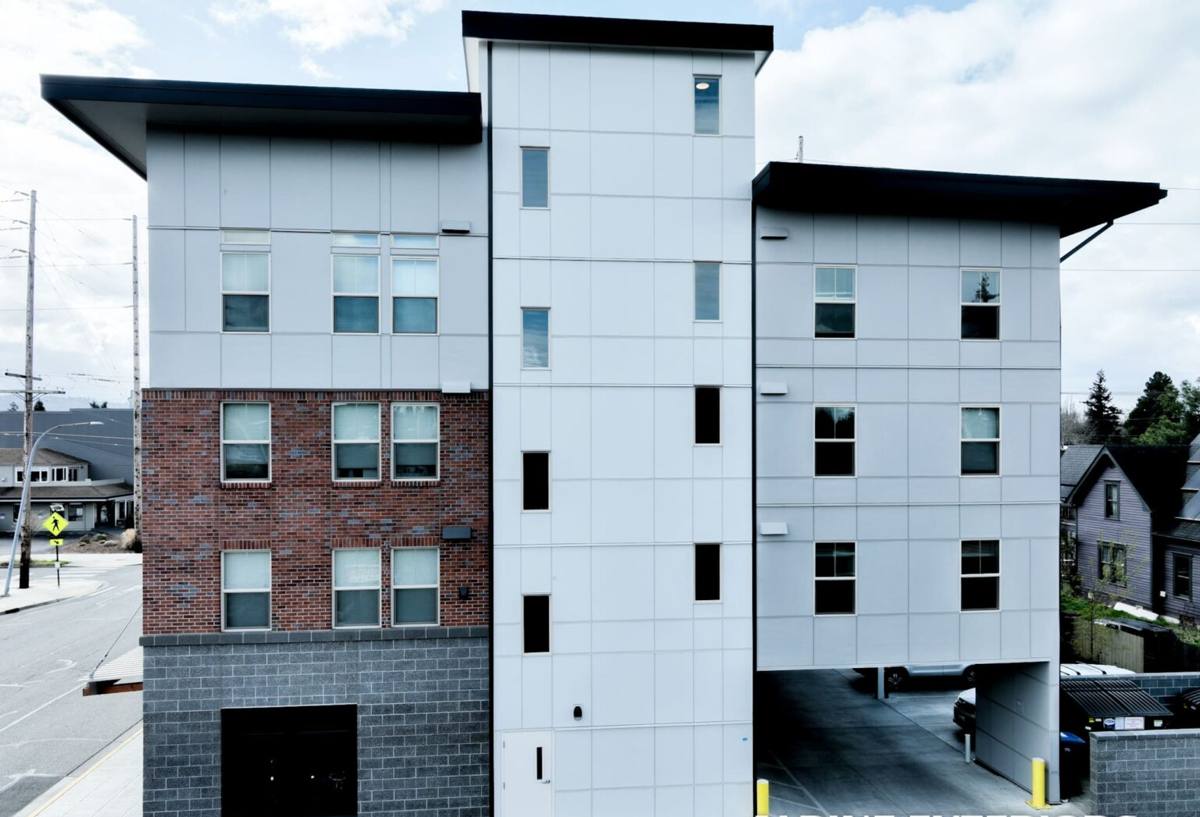
What a Correct Window Installation Actually Involves
Window installation gets treated like a simple swap-and-go job by some crews. In St. Petersburg's climate, that shortcut is exactly what leads to leaks, rot around the opening, and windows that fail well before their rated lifespan. A correct install has a few non-negotiable parts.
Flashing and Weatherproofing Before the Window Ever Goes In
The window unit is only part of the water management system. Proper flashing tape, sill pans, and correct integration with the wall's weather-resistant barrier are what actually stop wind-driven rain from getting behind the wall. Skipping this step, or relying on sealant alone to do the job, is the single most common cause of hidden water damage we find behind older windows.
Fastening Into Sound Structural Framing
Every window has to be anchored into solid framing with fasteners rated for the wind load that opening will see — not just enough screws to hold the unit in place until the crew leaves. This matters even more on additions or older sections of a home, where the original framing may have been altered or weakened over the years.
Sealing, Insulation, and Interior Finish
Low-expansion foam or backer rod and sealant around the frame — not spray foam that expands aggressively enough to bow the frame — keeps the unit performing the way it was designed to and keeps conditioned air from leaking out around the edges. Interior and exterior trim then gets finished to match the surrounding wall.
Matching the Window to Childs Park's Housing Stock
Like much of St. Petersburg, Childs Park has a housing stock that includes a good number of homes built decades ago, alongside newer infill construction. That mix matters for how a window installation should be approached.
Older Homes and Retrofit Installations
On an older home, rough openings are rarely perfectly square, and the wall assembly behind the stucco or siding may not match what a newer home would have. A retrofit, or pocket, installation that fits into the existing frame is often the right call to avoid disturbing exterior finishes — but it only works if that existing frame is still sound. If we find rot, pest damage, or a frame that's out of square beyond what shimming can correct, a full-frame replacement is the honest recommendation, even though it's more labor and cost.
Newer Construction
Homes built more recently, or additions done to current code, generally give us a cleaner opening to work with and can often accept a wider range of window styles and configurations without extra framing work first.
Frame Material Considerations for Coastal Exposure
Frame material affects how a window handles UV, salt air, and humidity swings differently, and it's worth understanding the trade-offs before deciding.
Vinyl Frames
Vinyl doesn't corrode and holds up well against salt air with essentially no maintenance routine. The trade-off is that vinyl expands and contracts with heat, so manufacturing quality and installation tolerances matter more under intense, near-constant Florida sun. A well-made vinyl frame installed correctly is a solid, low-maintenance choice for this climate.
Aluminum Frames
Aluminum is strong and holds tight tolerances, which is part of why it shows up often in impact-rated products. Its main vulnerability here is that unprotected aluminum can corrode faster near salt air without a proper factory finish, and it conducts heat more readily than vinyl — a real factor in a climate where air conditioning runs most of the year. A quality protective finish addresses the corrosion concern; it's worth confirming rather than assuming.
We'll talk through which frame material fits your home, budget, and exposure rather than defaulting to the same material on every job.
Glass Packages and UV Protection
Florida sun is a year-round UV issue, not a seasonal one, and it fades flooring, furniture, and window treatments faster than most homeowners expect until they've lived through a few Florida summers. Low-E (low-emissivity) glass coatings block a significant share of that UV transmission while still letting visible light through, which protects interior finishes and reduces the heat gain your air conditioning has to work against.
For a Childs Park home, we treat a Low-E glass package as a baseline, not an upgrade — the added cost is modest relative to the whole window, and the payoff shows up in both energy bills and how well interior finishes hold up over time. On south- and west-facing openings that take the most direct afternoon sun, it's worth discussing tint or a higher-performance coating in addition to Low-E.
Impact-Rated Glass vs. Standard Windows With Shutters
This is the question almost every homeowner on this side of Florida asks, and there's no single right answer for every house. Here's how the two approaches actually compare.
| Factor | Impact-Rated Windows | Standard Windows + Shutters |
|---|---|---|
| Upfront cost | Higher per window | Lower per window, plus shutter cost |
| Storm prep time | None — always ready | Shutters must be installed before each storm |
| Insurance impact | Often reduces wind mitigation premium | Some credit if shutters meet code, usually less |
| Daily appearance | Identical to standard glass | No change to the window itself |
| Noise and UV reduction | Noticeably better on both counts | No change from standard glass |
| Long-term upkeep | Frame and glass only | Shutter tracks and hardware need their own upkeep |
Neither option is wrong. Many Childs Park homeowners choose impact glass for the peace of mind of never having to prep before a storm, especially on windows that are hard to reach. Others prefer a budget-friendly standard window with shutters and put the savings elsewhere. We'll go through the real numbers for your specific openings rather than push one option across the board.
Our Installation Process
The process doesn't change much house to house, but the details inside each step are where the quality of the job actually gets decided.
- On-site assessment. We look at every opening individually — framing condition, visible flashing or water history, and how each window is currently performing.
- Measurement and product selection. Exact measurements per opening, plus a conversation about frame material, glass package, and impact rating based on your budget and exposure.
- Permitting. Window replacement in St. Petersburg generally requires a permit, with inspection confirming the work meets local wind-load and code requirements. We handle that paperwork.
- Removal and opening prep. Old units come out carefully to protect the surrounding wall and stucco or siding finish.
- Flashing and installation. This is where the weatherproofing steps above happen — a scheduled part of the job, not an afterthought.
- Sealing and interior finish. Interior and exterior trim finished to match the surrounding wall.
- Final inspection and walkthrough. Every window is checked for proper operation before we call the job done, and we go over care and maintenance with you.
Why It Matters That We Already Work This Neighborhood
A crew that's done window installations across St. Petersburg neighborhoods like Childs Park has already run into the framing surprises and permitting steps specific to this area's housing stock and to the local permitting process. That's not a small thing — it means fewer surprises mid-job, a more accurate quote up front, and a smoother permit and inspection process because we know what's being checked.
It also means we're not guessing about how the local climate treats different products over time. We've seen how certain frame materials and hardware finishes hold up — or don't — after a few years of Gulf Coast sun and salt air, and that experience shapes what we recommend rather than what's easiest to sell.
Living With Your New Windows
Signs Your Current Windows Need Attention
Not every window problem means a full replacement, but these signs are worth having a professional look at sooner rather than later:
- Fogging or moisture trapped between panes of double-pane glass — the seal has failed and can't be repaired
- Frames that feel soft, warped, or show visible gaps at the corners
- Windows that are difficult to open, close, or lock properly
- Visible cracking or gaps in the exterior caulk or sealant line
- Water stains or soft drywall on the interior wall below or beside a window
- A noticeable draft when standing near a closed window
- Energy bills that have crept up without another clear explanation
Any one of these on its own isn't necessarily an emergency, but several at once usually means water or air is getting where it shouldn't — and that gets more expensive to fix the longer it sits.
After Installation: Living With Salt Air
Installation quality determines most of a window's lifespan, but a little upkeep goes a long way here. Rinsing frames and hardware periodically clears salt residue before it works into hinges, tracks, and locking hardware. Checking exterior caulk lines once a year, especially after hurricane season, catches small sealant failures before they turn into water intrusion. Keeping weep holes clear of debris lets the window drain any water that does reach the frame track, the way it was designed to.
If you're weighing a window project for a home in Childs Park, we're glad to come take a look, measure your openings, and put together a straightforward estimate — no pressure, no pushy sales pitch, just a clear picture of what your home needs and what it will cost. Use the form below to get started.