 St. Petersburg Window
 Deck Repair in Seminole: Built for Pinellas County Conditions
Seminole sits close enough to both the Gulf and Tampa Bay that its outdoor structures take on a specific kind of wear. Decks here don't fail the way they do in drier, cooler climates. They fail from a combination of relentless UV exposure, salt-laden air moving in off the water, wind-driven rain that finds its way into every gap and fastener hole, and the occasional gust load from a tropical system passing through. A deck repair job that doesn't account for all of that isn't really a repair — it's a temporary patch that buys you a year or two before the same problem resurfaces, usually worse.
We work on decks throughout Seminole and the surrounding Pinellas County communities, and the repairs we make are built around what actually causes decks to fail in this specific environment, not a generic checklist.
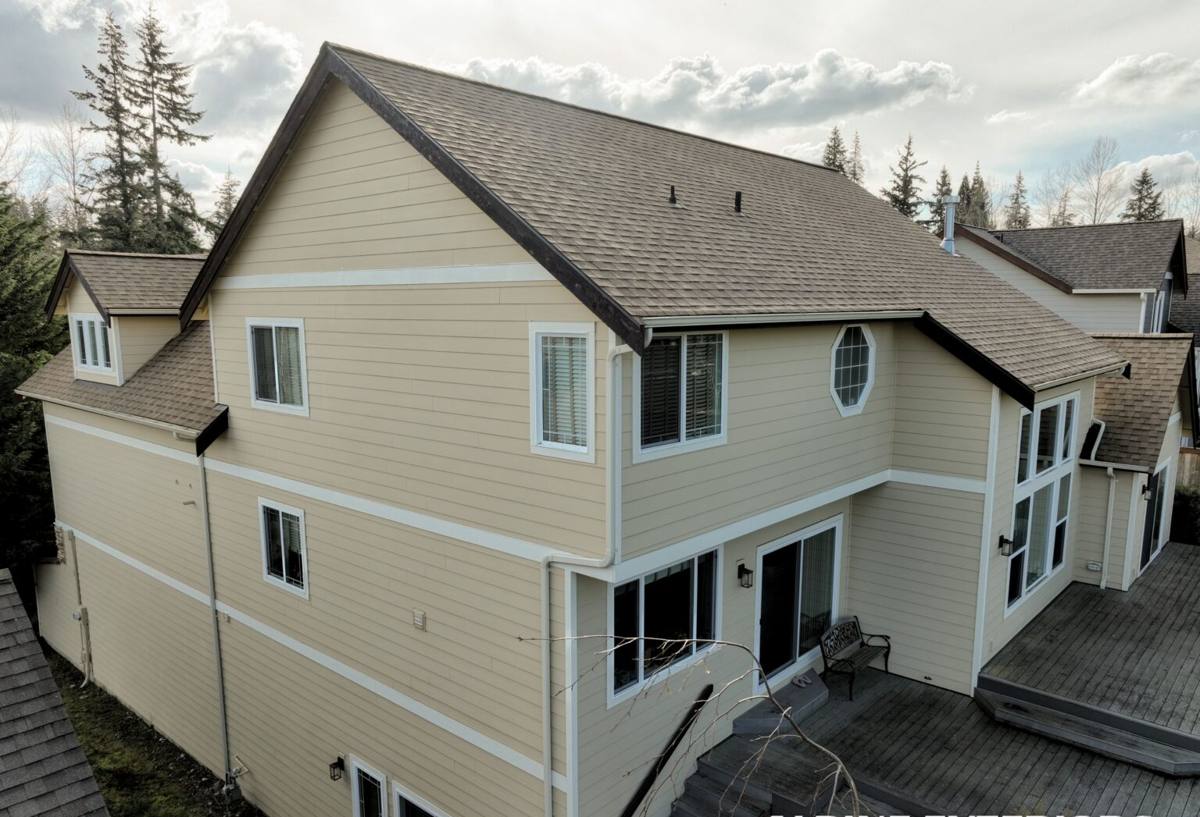
What Florida's Climate Actually Does to a Deck
Sun and UV Exposure
Pinellas County gets sun nearly year-round, and UV breaks down the lignin in wood fibers over time, leaving the surface dry, gray, and prone to splintering. It also degrades sealants and finishes far faster than manufacturers' timelines suggest for milder climates. A stain or sealer rated for "annual reapplication" in a northern state may need attention every six to eight months on a west- or south-facing deck in Seminole.
Wind-Driven Rain and Moisture Cycling
Florida rain rarely falls straight down. Wind pushes it sideways, driving water into ledger board connections, under flashing, and into any seam or crack in the decking surface. The bigger issue isn't the rain itself — it's the cycle of soaking and drying that follows. Wood swells when wet and shrinks when it dries, and repeating that cycle loosens fasteners, opens joints, and eventually cracks boards from the inside out.
Salt Air and Metal Corrosion
Even a few miles inland from the Gulf or Tampa Bay, salt air accelerates corrosion on anything metal — joist hangers, structural screws, bolts, and railing hardware. Corroded fasteners are one of the most common hidden causes of deck failure we find, because the wood on top can still look fine while the connection holding it together underneath has weakened significantly.
Hurricane-Force Wind and Structural Loads
Pinellas County decks need to handle real wind loads, not just the weight of furniture and foot traffic. Ledger board attachment, post-to-beam connections, and railing anchoring all matter more here than they would in a low-wind region, because a deck that's marginal on a calm day can become a real hazard when a storm pushes lateral force through the structure.
Signs a Seminole Deck Needs Repair, Not Just Cleaning
Homeowners often assume a tired-looking deck just needs a wash and a fresh coat of stain. Sometimes that's true. But several warning signs point to problems underneath the surface that cleaning won't fix:
- Boards that feel spongy, bouncy, or noticeably flexible underfoot
- Visible gaps opening up between decking boards or at the ledger board connection
- Railings or posts that wiggle or shift when pushed
- Rust streaks bleeding out around screw heads or joist hangers
- Soft or discolored wood near the base of posts or where the deck meets the house
- Stairs that feel uneven, creak excessively, or have a handrail that's come loose
- Fasteners that have backed out or "popped" above the board surface
- A musty smell coming from underneath the deck, which often points to trapped moisture
Any one of these on its own might be minor. Several together usually mean moisture has been working on the structure for a while, and it's worth having someone look underneath, not just at the walking surface.
What an Honest Deck Repair Actually Involves
A lot of deck "repairs" amount to swapping out the most obviously damaged boards and calling it done. That approach treats the symptom without checking whether the underlying cause — usually moisture intrusion or fastener corrosion — is still active. Our approach starts from the structure and works outward.
Structural Inspection First
Before replacing anything cosmetic, we check the ledger board connection to the house, the condition of posts and footings, joist spacing and condition, and the hardware holding it all together. This is the part of the deck you don't see day to day, and it's also the part that actually determines whether the deck is safe.
Fastener and Hardware Condition
In a salt-air environment, hardware condition matters as much as wood condition. We look for corrosion on joist hangers, bolts, and structural screws, and we replace compromised hardware with fasteners rated for coastal or treated-lumber use rather than reusing whatever corroded hardware is already in place.
Moisture Source Identification
If boards near a specific area are consistently rotting faster than the rest of the deck, there's usually a reason — a flashing gap, a low spot that holds water, or a planting bed draining toward the structure. Replacing the wood without addressing the moisture source just means the same repair again in a couple of years.
Board Replacement and Refastening
Damaged boards get replaced with material matched to the existing deck where possible, and refastened with corrosion-resistant hardware. Where boards are cupping or warping but not yet failed, we evaluate whether they can be re-secured or need replacement.
Repair Scope: Cosmetic vs. Structural
| Issue Type | Typical Cause in Seminole | What's Involved |
|---|---|---|
| Cosmetic surface wear (graying, minor splintering) | UV exposure, sun-baked finish breakdown | Cleaning, sanding, re-sealing or staining |
| Loose or popped fasteners | Wet/dry cycling from wind-driven rain | Refastening with corrosion-resistant screws |
| Rotted or soft boards | Trapped moisture, poor drainage under deck | Board replacement, moisture source correction |
| Loose railings or posts | Corroded hardware, wind stress over time | Hardware replacement, post reinforcement |
| Ledger board separation | Long-term moisture intrusion at house connection | Structural repair, flashing correction |
| Widespread joist or beam deterioration | Years of undetected moisture, aging structure | Partial or full structural rebuild |
Material Considerations for This Climate
What the deck is built from changes how it should be repaired and maintained here.
Pressure-Treated Lumber
Common and affordable, but it needs consistent sealing in Pinellas County's sun and rain cycle. When repairs are done on a PT deck, we match treatment ratings appropriately and make sure any new wood is sealed before it's exposed to the first heavy rain.
Composite and Capped Decking
Composite resists rot and UV fading better than wood, but it isn't maintenance-free, and it expands and contracts with heat more than people expect. Repairs on composite decking require attention to proper gapping and fastening so boards aren't fighting against thermal movement.
Hardwoods (Ipe, Cumaru, and similar)
Dense, naturally rot-resistant hardwoods hold up extremely well against Florida moisture, but they're dense enough that improper fastener choice or installation technique causes cracking. Repairs on hardwood decking are less frequent overall, but when they're needed, they take more precision.
We won't push a material swap that doesn't fit your deck's structure or budget just because it's trendier — the right call depends on what's already there, how the deck is used, and what you're trying to get out of the next repair.
Our Deck Repair Process
- On-site inspection. We walk the full deck, check underneath where accessible, and test railings, stairs, and board integrity.
- Honest assessment. We tell you what's cosmetic, what's structural, and what can reasonably wait versus what shouldn't.
- Written estimate. Scope and cost laid out clearly before any work starts — no surprise add-ons mid-project.
- Repair work. Structural issues are addressed first, followed by board replacement, refastening, and hardware upgrades as needed.
- Final walkthrough. We check the repaired areas with you and flag any maintenance items worth watching going forward.
Permits and Local Code Considerations
Depending on the scope, some deck repairs in Pinellas County — particularly structural work involving ledger boards, footings, or significant framing — may require permitting through the local building department. Minor cosmetic repairs typically don't. We'll let you know upfront if your project's scope crosses into permit territory so there are no surprises partway through the job.
Why a Crew That Already Works in Seminole Matters
Deck problems in Seminole tend to follow patterns tied to the neighborhood's exposure — proximity to water, tree cover, drainage on individual lots, and how a given home's orientation catches sun and wind. A crew that repairs decks across this area regularly recognizes those patterns faster, which means less time spent diagnosing and more time spent fixing the actual problem. It also means the materials and fasteners we use are chosen with this specific climate in mind, not a generalized national standard that assumes milder weather.
A deck repair done right in coastal Pinellas County should hold up through sun, salt air, and the next round of Florida storms — not just look good for a season. If you're seeing any of the warning signs above, or you just want an honest opinion on your deck's condition, we're happy to take a look. Request a free, no-pressure estimate and we'll walk the deck with you and tell you straight what it needs.