 St. Petersburg Window
 Why Seminole Roofs Wear Out Faster Than the National Average
Seminole sits inland from the Gulf beaches, but it's still close enough to Tampa Bay and the barrier islands that salt-laden air reaches every roof in the area. Combine that with Pinellas County's punishing sun exposure, near-daily summer thunderstorms, and the real threat of hurricane-force wind gusts, and you have a climate that ages roofing materials faster than almost anywhere else in the country. A shingle rated for 25 years in a mild climate rarely makes it that long here without real maintenance and, eventually, full replacement.
Four forces do most of the damage: sustained UV radiation that bakes the oils out of asphalt shingles and dries out sealants; wind-driven rain that finds its way under lifted shingle tabs and worn flashing; salt air that corrodes exposed metal fasteners, flashing, and vent components; and tropical-storm or hurricane winds that test every nail, clip, and seam at once. None of these show up as a single dramatic failure most of the time — they compound quietly, which is why so many Seminole roofs look fine from the driveway right up until they start leaking.
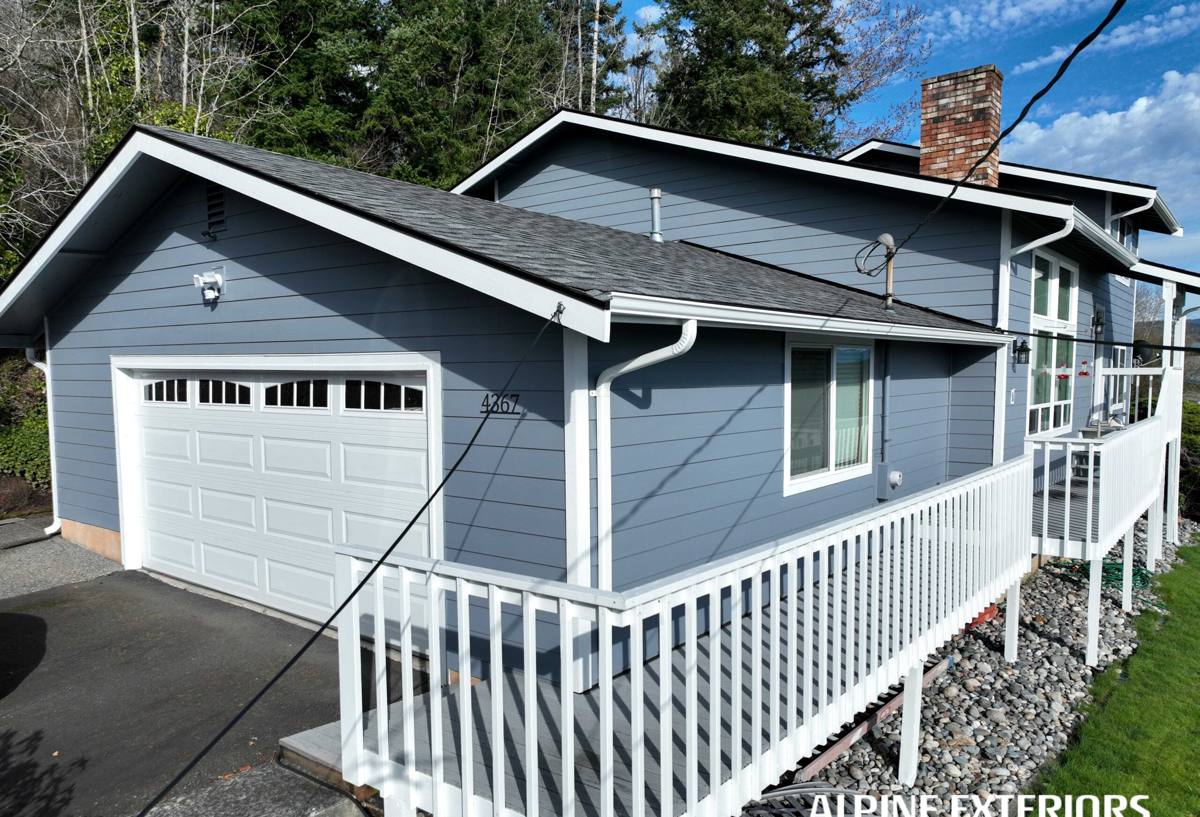
Signs a Seminole Roof Needs Replacement, Not Just Repair
Not every roof problem calls for a full tear-off. But when several of these show up together, patch repairs usually stop being cost-effective:
- Shingles that are cupping, curling, or losing granules in large patches (you'll notice granule buildup in gutters or at downspouts)
- Soft spots, sagging, or visible deck movement when walked on
- Repeated leaks in different spots after the same storm, rather than one isolated failure
- Flashing around chimneys, skylights, or wall junctions that's rusted, lifted, or was never properly step-flashed
- A roof that's 18-20+ years old on standard asphalt shingles, or showing its age well before that because of sun and storm exposure
- Visible daylight through the attic decking, or a musty smell and staining on attic insulation
If a roof is under 10-12 years old and the damage is limited to one area — a storm-damaged ridge cap, a single cracked vent boot — repair is usually the right call. We'll tell you that directly if that's what we find.
Why "It's Not Leaking Yet" Isn't the Same as "It's Fine"
Wind-driven rain in this region doesn't need a hole to get in. It can be pushed sideways under a shingle tab that's lost its seal, travel along the underlayment, and show up as a stain on a ceiling ten feet from where the water actually entered. By the time you see a leak, moisture may have already been working on the deck for one or more storm seasons. That's part of why we inspect the whole roof system, not just the spot someone points to.
What a Correct Roof Replacement Actually Involves
Full Tear-Off and Deck Inspection
We don't install new shingles over old ones. A full tear-off lets us see the actual plywood or OSB deck underneath — which is where rot, delamination, and old storm damage hide. Any soft or water-damaged decking gets replaced before anything new goes down. Skipping this step is how a roof looks great for two years and then fails at the deck level.
Underlayment and Secondary Water Barrier
Given how much wind-driven rain this area sees, the underlayment matters almost as much as the shingles themselves. We install a synthetic or self-adhering underlayment system sized to the roof's exposure, with extra attention — and often a self-adhering membrane — at valleys, eaves, and any low-slope transitions where wind-driven water pools or gets forced sideways.
Flashing at Every Penetration
Chimneys, skylights, plumbing vents, and wall-to-roof junctions are where the overwhelming majority of leaks actually start — not in the open field of shingles. Correct step flashing, counterflashing, and pipe boots (properly sized and sealed, not just caulked over) are non-negotiable, especially in a coastal-influenced climate where salt air corrodes cheap or improperly sealed metal faster than it should.
Fastening for Wind Resistance
Pinellas County falls under Florida Building Code wind-load requirements, and roofs here need to be nailed — not just installed — to that standard: correct nail count per shingle, correct placement in the nailing zone, and starter strips at eaves and rakes that are actually rated for wind, not just cut-down shingles turned sideways. This is the difference between a roof that survives a tropical storm's wind gusts and one that loses shingles in the first named storm of the season.
Attic Ventilation
A hot, poorly ventilated attic shortens the life of the roof deck and the shingles above it, and it makes the whole house work harder in Florida's long cooling season. Replacement is the right time to correct undersized or blocked ridge and soffit ventilation, not an afterthought.
Roofing Material Options for Seminole Homes
Most homes in this part of Pinellas County are roofed in architectural asphalt shingles, but metal and tile both show up on local roofs and each has real trade-offs worth understanding before you choose.
| Material | Typical Lifespan Here | Wind Performance | Maintenance |
|---|---|---|---|
| Architectural asphalt shingles | 18-25 years | Good, when correctly rated and installed for local wind zones | Low; periodic inspection after storms |
| Standing seam metal | 40-50+ years | Excellent; among the best wind uplift resistance available | Very low; occasional fastener/sealant check |
| Concrete or clay tile | 40-50+ years | Good when properly fastened, but individual tiles can crack from impact or foot traffic | Moderate; cracked tiles need prompt replacement |
We don't push one material as universally "best." Architectural shingles remain the most cost-effective option for most Seminole homes and, installed correctly, perform well through the storm seasons they're rated for. Metal costs more upfront but spreads that cost over a much longer service life and shrugs off wind and UV better than any other common option. Tile looks great and lasts a long time structurally, but it's heavier, requires a roof structure rated to carry it, and individual tiles are more vulnerable to impact damage than a continuous shingle or metal surface. We'll walk through what your existing structure supports and what fits your budget and how long you plan to stay in the home.
Permits, Wind Mitigation, and Your Insurance
Roof replacements in Pinellas County require a building permit, and the work has to meet current Florida Building Code wind-load provisions for this region — that's not optional and it's not a paperwork formality. A code-compliant, permitted replacement also typically qualifies you for a new wind mitigation inspection, which can lower your homeowner's insurance premium by documenting things like a properly fastened roof deck, secondary water barrier, and hip or gable roof geometry. We handle the permit process and can point you toward getting a wind mitigation inspection scheduled once the new roof is on — that inspection itself is done by a certified inspector, not by us, but it's worth doing given what it can save you annually.
Our Process, Start to Finish
- Inspection and honest assessment — we get on the roof (not just a driveway look) and check the deck, flashing, ventilation, and shingle condition, and tell you plainly whether you need replacement or repair.
- Written estimate — material options, scope of work, and cost laid out clearly, with no pressure to decide on the spot.
- Permit and scheduling — we pull the required Pinellas County permit and schedule around weather windows, which matters more here than in most parts of the country.
- Tear-off and deck repair — old roofing comes off, the deck gets inspected, and any damaged sections are replaced before anything new goes on.
- Underlayment, flashing, and material installation — installed to current wind-load and moisture-barrier standards, not the minimum that gets it past a quick glance.
- Cleanup and final walkthrough — magnetic sweep for nails, debris hauled off, and a walkthrough so you know exactly what was done and what your warranty covers.
- Final inspection and paperwork — we close out the permit with the county and hand you documentation you'll want for insurance and for wind mitigation.
Why Local Experience in Seminole Actually Matters
A roof replacement isn't just a materials question — it's a logistics and code question specific to this area. A crew that regularly works in Seminole and the surrounding Pinellas County communities already knows the county's permitting process and inspection expectations, understands how to sequence a job around Florida's afternoon storm patterns so a torn-off roof isn't left exposed overnight, and has seen firsthand which flashing and fastening details hold up through actual hurricane seasons here versus which ones fail on paper-thin margins. That experience shows up in details a homeowner would never think to check — and it's exactly the kind of thing that separates a roof that needs attention again in five years from one that goes the full distance of its rated life.
What Drives the Cost of a Roof Replacement
Every roof is different, so we won't quote a number without seeing yours, but these are the factors that move the price up or down:
- Total roof square footage and number of stories
- Roof pitch and complexity (number of valleys, hips, dormers, and penetrations)
- Extent of deck damage found once the old roofing comes off
- Material choice — architectural shingle, metal, or tile
- Underlayment and flashing upgrades needed to meet current wind-load code
- Ventilation corrections (adding or resizing ridge and soffit vents)
- Permit fees and any required wind mitigation inspection scheduling
If you're weighing a repair against a full replacement, or you just want an honest read on how much roof life you have left, we're happy to take a look. Fill out the form below for a free, no-pressure estimate — we'll tell you what we actually find, not just what gets us a bigger job.