 St. Petersburg Window
 Board & Batten Siding Built for Seminole's Coastal Conditions
Board and batten is one of the most requested siding profiles in Seminole, and it's easy to see why. The vertical boards and narrow battens covering each seam give homes in this part of Pinellas County a clean, tailored look that works on everything from Old Florida cottages to newer coastal-style builds. But the look is only half the story. On the Pinellas peninsula, siding also has to survive hurricane-force wind gusts, months of unrelenting UV exposure, wind-driven rain that finds every gap, and salt-laden air that never really lets up. A board and batten installation that isn't built with those conditions in mind will show it within a few seasons, not a few decades.
This page focuses specifically on what board and batten siding needs to do right in Seminole, what a correct installation actually involves, and why we install it in one material only: James Hardie fiber cement.
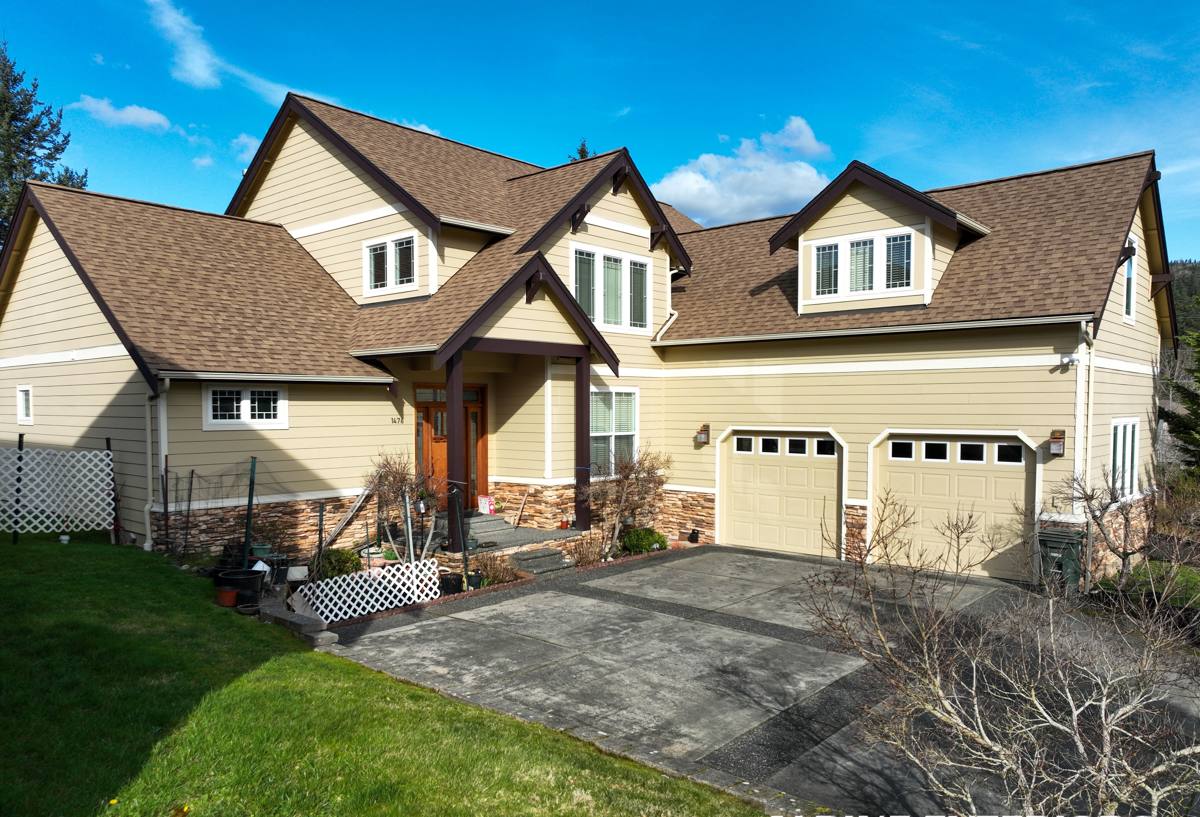
What Seminole's Climate Actually Demands From This Siding
Seminole sits close enough to the Gulf beaches and the intracoastal waterways that its homes take on weather stress most inland siding never has to deal with. Any board and batten system installed here needs to hold up to four things at once.
Hurricane-Force Wind
Wind doesn't just push against siding, it gets underneath it. Board and batten's vertical joints and batten strips create more edges and fastening points than a flat panel, which means the fastening schedule and batten attachment matter more here than on a calmer inland job. Done wrong, high winds can work battens loose or pull boards away from the wall over time.
Year-Round UV
Florida sun doesn't take a season off. Field-painted board and batten, whether wood, engineered wood, or fiber cement painted after installation, tends to chalk, fade, and crack years before it should because the paint film simply can't take that much UV load. That shows up first on the sun-facing side of the house and then spreads.
Wind-Driven Rain
Rain in Seminole rarely falls straight down during a storm. Wind pushes it sideways and up under laps, seams, and battens. Board and batten has more vertical seams than horizontal lap siding, so the weather barrier behind it and the flashing details around windows, doors, and penetrations have to be done correctly the first time. There's no gutter to catch a mistake here.
Salt Air
Even homes that aren't waterfront pick up salt in the air this close to the Gulf. Salt accelerates corrosion in fasteners, trim screws, and any exposed metal, and it degrades some paint and sealant products faster than inland exposure would. Material choice and fastener choice both need to account for this, not just the finish coat.
Why We Install Board & Batten in James Hardie Fiber Cement Only
We don't offer board and batten in vinyl, engineered wood, or unfinished wood, and that's a deliberate standard, not a lack of options. Fiber cement is cement, sand, and cellulose fiber pressed into a dense, stable board. It doesn't absorb moisture and swell the way wood-based products can, it doesn't soften or distort in direct summer sun the way vinyl can, and it's non-combustible. James Hardie also manufactures a formulation engineered specifically for humid, high-heat climates like Florida's, and finishes most of its color line with ColorPlus Technology, a factory-baked, multi-coat finish that resists fading and chalking far longer than a coat of paint applied on site. It's backed by a long, transferable manufacturer warranty that follows the house if it sells.
| Factor | James Hardie Fiber Cement | Vinyl Board & Batten | Engineered Wood | Natural Wood/Cedar |
|---|---|---|---|---|
| Salt air / moisture resistance | Strong, doesn't absorb moisture | Won't rot, but seams and fasteners still corrode | Vulnerable if edges aren't sealed and maintained | Needs constant sealing to resist rot |
| High-wind performance | Rated fastening systems for high-wind exposure | Can distort or blow off in sustained high winds | Depends heavily on fastening quality | Depends on board thickness and fastening |
| UV / color retention | Factory-baked finish resists fading | Can fade and become brittle over time | Field paint fades faster in constant sun | Field paint or stain fades fastest |
| Maintenance burden | Occasional wash, infrequent repaint | Low, but limited repair options | Regular inspection and edge sealing | Frequent sealing, staining, or painting |
| Fire resistance | Non-combustible | Combustible | Combustible | Combustible |
None of this means the alternatives are junk products, only that when we weighed how each one holds up specifically in a Pinellas County coastal climate over a full ownership cycle, fiber cement was the only one we were comfortable standing behind long-term.
What a Correct Board & Batten Installation Actually Involves
Board and batten looks simple from the street, which is exactly why a rushed installation is so easy to hide until problems show up. A correct job in this climate involves a specific sequence, not just nailing boards to the wall.
- A weather-resistant barrier installed and lapped correctly behind the siding, with no gaps at seams or penetrations
- Proper flashing at every window, door, and roofline intersection, plus kickout flashing where a roof meets a wall
- Correct clearance between the bottom of the siding and grade, roofing, or decking to keep boards out of standing water and splash-back
- A fastening pattern and fastener spacing matched to the wind exposure of the specific wall, not a generic pattern used everywhere
- Corrosion-resistant fasteners appropriate for coastal salt exposure
- Batten placement and attachment that accounts for expansion, so boards aren't fastened so rigidly that movement causes cracking
- Sealant used only where the manufacturer specifies it, since sealing every joint on a system designed to shed water differently can trap moisture instead of stopping it
Skipping any one of these doesn't usually cause an immediate problem. It shows up two, five, or ten years later as a soft spot behind a batten, a stained wall, or boards that have started to separate at a corner.
Our Process for a Seminole Board & Batten Project
- On-site assessment. We look at wall exposure, existing siding and sheathing condition, drainage at grade, and any trouble spots around windows or rooflines before we quote anything.
- Removal and inspection. Old siding comes off and we check the sheathing underneath for hidden moisture damage, which is common in coastal homes even when the surface siding looked fine.
- Weather barrier and flashing. This is the layer nobody sees once the job is done, and it's the layer that determines whether the house stays dry. We install and inspect it before a single board goes up.
- Board and batten installation. Hardie boards and battens go up following the fastening schedule appropriate for the wall's wind exposure, with corrosion-resistant fasteners throughout.
- Detail work. Corners, trim, and penetrations get finished according to manufacturer specifications so the whole system performs as designed, not just the flat wall sections.
- Final walkthrough. We go over the finished work with the homeowner before calling the job complete.
Style and Color Options That Fit Seminole's Neighborhoods
Board and batten in ColorPlus finishes gives Seminole homeowners a wide range of factory colors without the fade risk of a field-applied paint job. Board widths and batten spacing can be adjusted to match anything from a traditional Florida cottage profile to a cleaner, more modern coastal look, and board and batten can be used as a full siding system or mixed with lap siding as an accent on gables, dormers, or entry features. Because the finish is baked on at the factory rather than sprayed on site, the color stays consistent across every board, which matters more once a wall has been through a few Florida summers.
Why Hiring a Crew That Already Works in Seminole Matters
Siding installation isn't one-size-fits-all across Pinellas County, and it's not one-size-fits-all across St. Petersburg's surrounding communities either. A crew that regularly works in Seminole already knows the wind exposure differences between an open lot near the water and a more sheltered inland street, understands the local permitting process, and has already worked through the inspection expectations for coastal-area siding replacement. That familiarity shows up in fewer surprises mid-project and a faster path from quote to finished job. It also means we're not learning on your house how local conditions affect a fastening schedule or a flashing detail. We've already made those adjustments on other homes nearby.
Maintenance and Long-Term Care in a Salt Air Environment
Fiber cement board and batten is low-maintenance, not no-maintenance, especially this close to the Gulf. A simple annual rinse to clear salt residue, pollen, and grime goes a long way, along with a periodic visual check of caulking at trim and penetrations, since sealant is usually the first thing to age in coastal exposure, well before the siding itself. Homeowners should also keep an eye on anything that changes drainage near the foundation, since standing water against the bottom edge of any siding, fiber cement included, shortens its life. None of this is heavy upkeep, but skipping it entirely is how a well-installed job ages faster than it should.
If you're planning a board and batten project in Seminole and want a straight answer about what your home actually needs, we're happy to take a look. Use the form below to request a free, no-pressure estimate.