 St. Petersburg Window
 Why Windows Take a Beating in Childs Park
Every home in St. Petersburg deals with the same basic problem: Florida's climate is hard on building materials, and windows are usually the first thing to show it. Whether a house sits a few blocks from Tampa Bay or further inland like much of Childs Park, the same conditions apply across Pinellas County — intense year-round UV that breaks down seals and vinyl, wind-driven rain that finds any weak point in a frame, salt-laden air that corrodes hardware over time, and the occasional hurricane-force wind event that tests every window in the house at once. None of that is unique to any one street or subdivision. It's just what owning a home here means.
What makes replacement decisions tricky is that window failure is usually slow and easy to ignore. A window doesn't fail all at once — it fogs up, then it sticks, then water starts showing up on the sill after a storm, and by the time it's obviously a problem, the frame or the surrounding wall may already have moisture damage. Replacing windows before that happens, with the right product and a correct install, is cheaper than fixing what a bad window causes down the line.
Signs It's Time to Replace, Not Repair
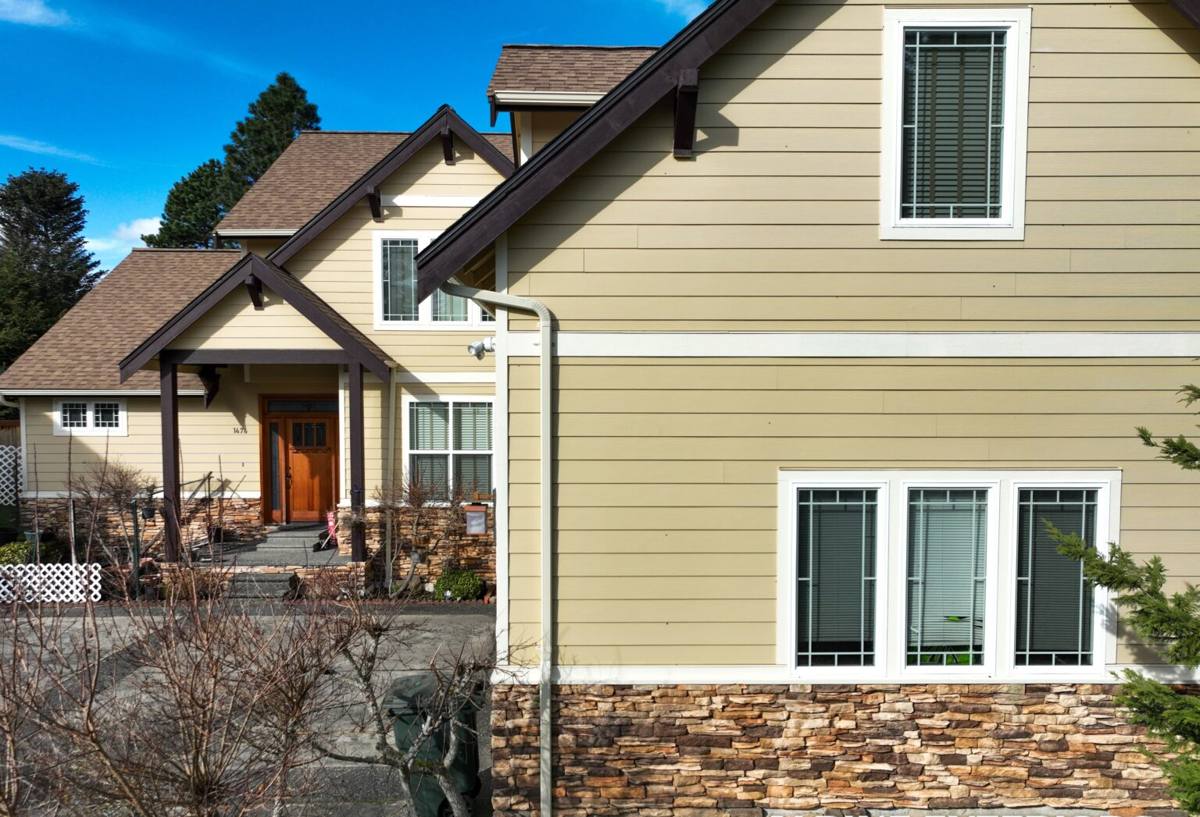
Not every window problem means a full replacement. But there are a handful of signs that repair is just delaying the inevitable, especially once a window is more than 15-20 years old:
- Fogging or a hazy film between the panes (the seal has failed and the insulating gas is gone)
- Windows that are hard to open, close, or lock, or that don't sit flush in the frame anymore
- Visible gaps around the frame, or you can feel outside air moving through when it's windy
- Soft, discolored, or swelling wood or trim around the window, inside or out
- Noticeably higher cooling bills without any other explanation
- Condensation on the inside of the glass regularly, even when the AC is running normally
- Frames that are chalky, pitted, or corroded from years of sun and salt air exposure
If a window is showing two or more of these at once, repair usually isn't worth the cost. A single failed seal might be worth fixing on an otherwise good window, but frame damage, hardware failure, and moisture intrusion together usually mean the window has reached the end of its useful life.
What a Correct Installation Actually Involves
The window product matters, but the install matters just as much — arguably more. A high-end window installed poorly will leak and fail early. A mid-range window installed correctly will outperform it for years. In this climate, three parts of the install are where jobs succeed or fail.
Flashing and Weatherproofing
Every window opening needs to be properly flashed and sealed before the new unit ever goes in — not just caulked around the edges afterward. Wind-driven rain doesn't fall straight down here; it gets pushed sideways into walls during storms, and a window that's only sealed on the surface will eventually let water behind the frame. Correct flashing directs that water back out, not into the wall cavity.
Fastening and Wind-Load Anchoring
Windows need to be anchored into structurally sound framing with fasteners rated for the wind loads this area sees, not just screwed into whatever is behind the opening. This is especially important on any window rated for storm protection — the glass and frame can be rated correctly and still fail if the anchoring into the wall isn't done to spec.
Sealing and Insulation
The gap between the new window frame and the rough opening needs to be insulated and sealed correctly, not just filled with whatever's on the truck. Done wrong, this is where drafts, energy loss, and slow water intrusion usually start.
Choosing Glass and Frame Options for This Climate
There isn't one "best" window for every house — it depends on the home's exposure, the budget, and how much storm protection the homeowner wants built into the glass itself versus handled separately with shutters or panels. Here's how the common options generally compare for a Pinellas County home:
| Option | Storm Protection | Typical Trade-Offs |
|---|---|---|
| Standard double-pane, non-impact | None built in — requires shutters or panels for storms | Lower upfront cost, but adds a step before every storm |
| Impact-rated laminated glass | Glass stays intact under wind-borne debris impact | Higher upfront cost, no separate shutters needed, better UV and noise control |
| Impact-rated with Low-E coating | Same impact protection, plus better heat rejection | Best long-term energy performance, highest upfront cost |
| Vinyl frame | Frame does not corrode from salt air | Can warp under extreme, prolonged direct sun exposure if lower quality |
| Aluminum frame | Strong, holds up structurally | Conducts heat, more prone to corrosion near the coast over time |
Our standard recommendation for most Childs Park homes is impact-rated glass with a quality vinyl or fiberglass frame. It's not the cheapest option on the table, but it removes the yearly hassle of prepping for storms, holds up to UV and salt air better than aluminum, and typically comes with a stronger manufacturer warranty structure than economy-grade non-impact windows.
Permits, Codes, and Why That Matters Here
Window replacement in St. Petersburg isn't a project you do without a permit and expect to sell the house cleanly later. Pinellas County and the City of St. Petersburg both enforce Florida Building Code wind provisions, and window replacements typically require a permit and inspection to confirm the product is rated correctly and installed to code. Skipping that step to save time or money is one of the most common ways homeowners end up with problems during a home sale or insurance claim down the road — an uninspected, unpermitted window replacement can raise questions insurers and buyers' inspectors are trained to look for.
A contractor who pulls permits as a matter of course, not as an afterthought, is protecting the homeowner's investment as much as their own liability.
Our Process From Estimate to Cleanup
The process for a Childs Park home is straightforward, and it doesn't change based on the size of the job:
- Free in-home assessment — we look at each window, the surrounding framing, and note any moisture or structural concerns before quoting anything
- Product selection — we walk through frame and glass options based on the home's exposure, budget, and whether storm-rated glass makes sense for that particular window
- Accurate measurement and ordering — windows are ordered to the exact opening, not a standard size forced to fit
- Permit pulled before work begins
- Removal of the old window and inspection of the opening for hidden rot or moisture damage before the new unit goes in
- Installation — flashing, anchoring, and sealing done to code, not just to "look finished"
- Final inspection and walkthrough with the homeowner, plus scheduling the permit inspection
- Cleanup — old windows and debris hauled off, work area left clean
What Actually Drives the Cost
Two houses with the same number of windows can end up with very different quotes. The line items that actually move the price are usually these:
| Cost Factor | Why It Matters |
|---|---|
| Window size and count | Larger openings and more windows mean more material and labor |
| Glass package | Impact-rated and Low-E glass cost more than standard double-pane |
| Frame material | Vinyl, fiberglass, and aluminum all price differently |
| Condition of the opening | Hidden rot or moisture damage found during removal adds repair work |
| Access and second-story work | Harder-to-reach windows take more time and equipment |
| Permit and inspection fees | Set by the county/city, not by the contractor |
Anyone quoting a whole-house window job without first looking at the actual openings is guessing. That's part of why the in-home assessment matters — it's the only way to give a number that holds up once the work starts.
Why a Crew That Already Works Childs Park Matters
Window replacement done right depends on knowing the local permitting process, the inspection expectations, and the kind of housing stock common in a neighborhood like Childs Park — a lot of it built decades ago, with openings and framing that don't always match what a newer subdivision would have. A crew that already works this area knows what to expect when they open up an old window opening, knows the local permitting office's process, and isn't learning Pinellas County's code requirements on the homeowner's dime.
There's also a simple accountability piece to it: a company that lives and works in this area has a reputation here to protect and is easy to reach if a question comes up after the job is done. That matters more with windows than with almost any other exterior project, because a bad seal or a missed flashing detail might not show itself until the next big storm.
After Installation: Keeping Windows Performing Long-Term
A correctly installed window still needs basic upkeep to get its full lifespan out of it in this climate:
- Rinse frames and tracks periodically to clear salt residue, especially after storms
- Check and clean weep holes so water drains out instead of pooling in the track
- Inspect exterior caulking annually and touch up if it's cracking or pulling away
- Operate locks and hardware occasionally even on windows you don't open often, so they don't seize up
- Watch for soft spots in interior trim or sills, which can signal a slow leak before it becomes obvious
None of this is difficult, but skipping it is how a well-installed window ends up needing early attention anyway.
If your windows in Childs Park are showing their age, or you just want an honest read on whether repair or replacement makes sense, we're glad to come take a look. The estimate is free, there's no pressure, and you'll get straight answers about what your home actually needs — use the form below to get started.