 St. Petersburg Window
 New-Construction Windows for Roser Park Homes
Roser Park sits just south of downtown St. Petersburg, and the building activity there reflects the neighborhood's mix of older housing stock and newer infill homes and additions going up around it. Whether you're framing a brand-new house, adding a second story, or replacing a home on an existing lot, the windows you choose and how they're installed will decide how that structure performs for the next 20-30 years. New construction is the one point in a project where you get to do the window opening right the first time, before drywall, siding, and trim make corrections expensive or impossible.
We install new-construction windows for builders, general contractors, and homeowners working in and around Roser Park and the rest of St. Petersburg. This page covers what a correct install actually involves in this area, what Pinellas County's climate and code require, and why the details matter more here than in a lot of the country.
What St. Petersburg's Climate Demands From a New Window
Windows going into a new opening in this part of Florida face a combination of stresses that few other regions deal with all at once:
- Hurricane-force wind and windborne debris — Pinellas County sits in Florida's windborne debris region, which means new construction windows have to meet specific wind-load and impact requirements under the Florida Building Code, not just whatever a manufacturer calls "hurricane rated."
- Wind-driven rain — tropical storms and summer squalls don't just test the glass, they test the flashing, sill pan, and sealant details around the frame. A window can be rated correctly and still leak if the opening was prepped wrong.
- Intense, near-constant UV exposure — Florida sun degrades cheap vinyl, weakens seals, and fades interior finishes faster than in northern climates, which matters when you're choosing glass coatings and frame materials for a house meant to last decades.
- Salt air — St. Petersburg's proximity to Tampa Bay and the Gulf means airborne salt accelerates corrosion on hardware, fasteners, and lower-grade metal components, even a few miles inland.
None of this is unique to Roser Park specifically, but it's the baseline every new window in this neighborhood has to survive. The difference between a window that lasts and one that fails early usually comes down to installation, not the sticker on the glass.
Roser Park's Building Context
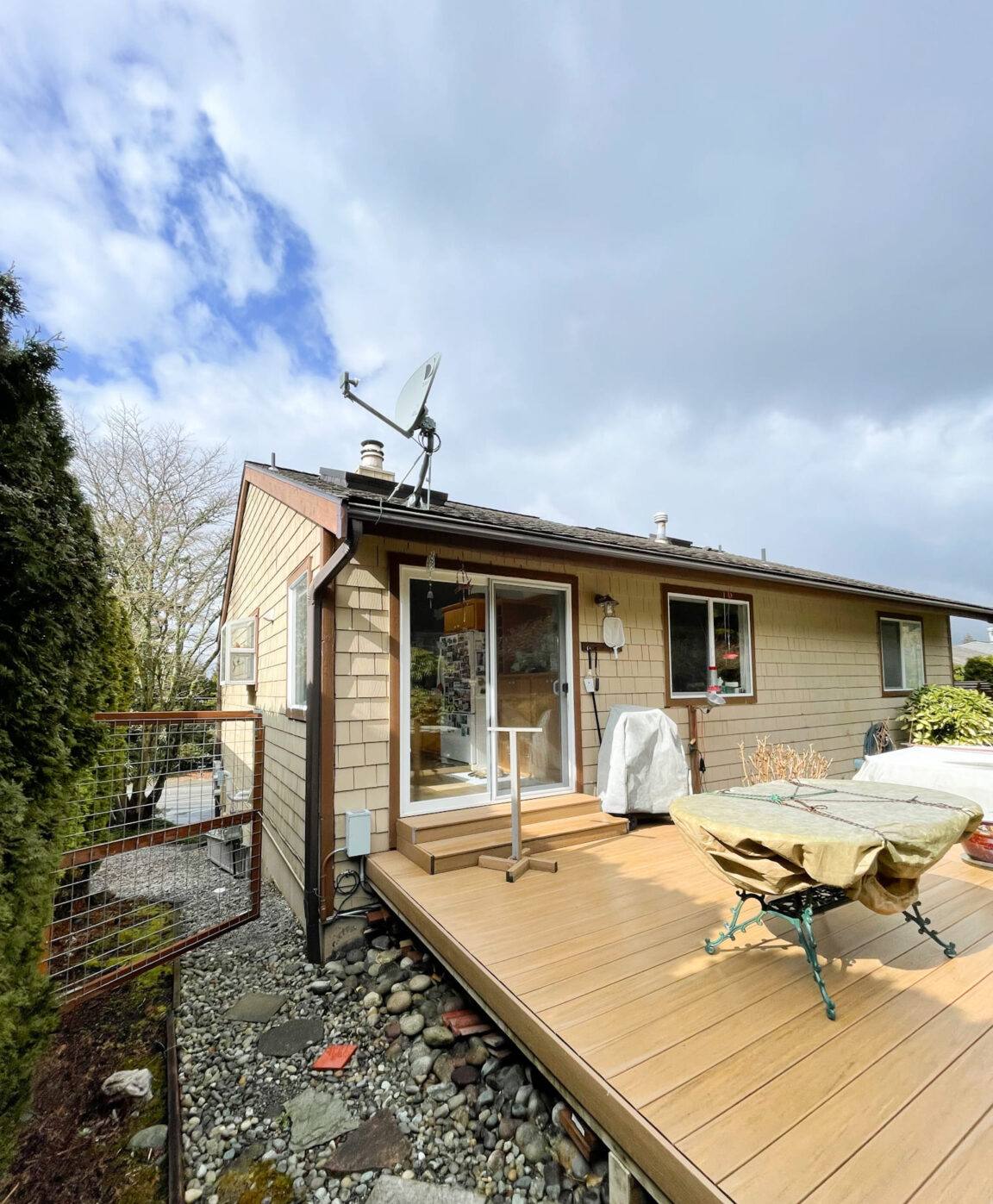
Roser Park is one of St. Petersburg's older residential areas, and new construction here — whether it's a full rebuild, an infill lot, or a substantial addition to an existing home — often happens next to century-old houses and mature tree canopy. That context shapes a few practical realities for window work:
Tighter lots and mature landscaping can limit staging and crane or lift access, which affects how larger window units get moved and set. Homes going up near existing structures also mean more care is needed around property lines, fencing, and existing foundations during the framing and install phase. And because the area blends historic character with newer builds, many homeowners want window sightlines and proportions that read as appropriate to the block, even when the performance specs underneath are entirely modern.
None of that changes the engineering requirements — it just means the crew doing the work needs to plan logistics and aesthetics alongside the technical install.
Getting the Rough Opening Right
New construction gives you one real advantage over a retrofit: the wall isn't finished yet. That means the rough opening, the water-management layer, and the window's connection to the structure can all be built correctly instead of worked around. The steps that matter most:
Sill Pan and Flashing
Every new-construction opening should get a sloped sill pan that directs any water that gets past the window back outside the wall assembly, not down into the framing. Flashing tape needs to integrate with the house wrap in the correct shingle-lap order — bottom, sides, then top — so water sheds down and out at every layer, not just at the window itself.
Fastening Method
New-construction windows are typically installed with a nailing fin set directly to the sheathing, or as a block-frame unit anchored through the frame into the rough opening, depending on the wall assembly and window type. Fastener spacing, type, and embedment all factor into the window's actual tested wind rating — a window rated for a given wind load is only rated that way when installed exactly per the manufacturer's approved method.
Sealant and Backer Rod
Gaps around the frame need proper backer rod and a compatible sealant, not just a bead of caulk. Incompatible sealants can fail to bond or degrade prematurely under UV exposure, opening a path for water years down the line.
Code Requirements for New Construction in Pinellas County
New windows going into new construction in St. Petersburg have to meet the current Florida Building Code as adopted and enforced by Pinellas County, which covers several distinct requirements at once:
| Requirement | What It Covers |
|---|---|
| Wind load / windborne debris | Windows must carry a design pressure rating matched to the home's exposure and location, and meet impact or protection requirements for the windborne debris region |
| Egress | Bedroom windows need minimum clear opening dimensions and sill height so they can serve as an emergency exit |
| Energy code | Glass and frame assemblies must meet U-factor and solar heat gain coefficient limits set for Florida's climate zone |
| Product approval | Each window model must carry a valid Florida or Miami-Dade product approval (NOA) tied to the specific installation method used |
Permitting and inspection for new construction runs through the City of St. Petersburg or Pinellas County depending on jurisdiction, and inspectors will check both the product approval paperwork and the actual installation against the approved details — not just that a window is "hurricane impact glass."
Choosing Frame Material and Glass for New Construction
Because a new build gives you a clean slate, this is the point to think about long-term performance, not just matching what's already there. The right choice depends on budget, exposure, and how the window will be used.
| Frame Type | Strengths | Trade-offs |
|---|---|---|
| Vinyl | Cost-effective, no repainting, good thermal performance | Lower-grade vinyl can degrade under sustained Florida UV; frame quality varies widely between brands |
| Aluminum | Strong, slim sightlines, holds up structurally to wind loads | Conducts heat and cold more than other frames; needs a thermal break for energy code compliance |
| Fiberglass | Dimensionally stable, resists warping and UV degradation well | Higher upfront cost than vinyl |
For glass, an impact-rated laminated package is the standard approach for windborne debris region compliance, and it also cuts UV transmission and outside noise. Low-E coatings help control solar heat gain, which matters for cooling costs given how much direct sun Florida homes take on for most of the year.
Our New-Construction Install Process
The sequence matters as much as the materials. Here's what a correct install looks like from our end:
- Review the architectural plans and window schedule before framing is finalized, flagging any opening sizes or window types that could cause code or product-approval issues
- Confirm each window's product approval and design pressure rating matches what the engineering and permit documents call for
- Install sill pans and flashing in the correct shingle-lap sequence, integrated with the house wrap or weather barrier
- Set and fasten each window per the manufacturer's approved installation instructions for that specific product and wall assembly
- Apply backer rod and compatible sealant at all frame joints and penetrations
- Photograph flashing and fastening details before they're covered by siding or trim, for the homeowner's and builder's records
- Walk the finished install with the builder or homeowner and confirm operation, seals, and hardware on every unit
Coordinating With Your Builder or General Contractor
Most new-construction window work happens on someone else's schedule — a GC's framing crew needs the openings ready, siding can't go on until flashing is done, and inspections have to land at the right point in the sequence. We work directly with builders and GCs on scheduling so window install doesn't become the bottleneck that holds up the rest of the job. That means showing up when the rough openings are actually ready, having product approval paperwork on hand for inspection, and communicating early if a plan detail needs adjusting before framing locks it in.
Why a Crew That Works Roser Park Matters
New construction in an established St. Petersburg neighborhood like Roser Park comes with logistics that a crew unfamiliar with the area won't plan for — tight lot access, coordination around mature trees and neighboring structures, and matching new work to the visual scale of the surrounding block. Beyond logistics, a crew that installs windows across St. Petersburg and Pinellas County regularly knows the local permitting process, the inspectors' expectations, and how the area's wind, rain, and salt exposure actually behave over years, not just on paper. That experience shows up in fewer callbacks and fewer surprises during inspection.
If you're planning new construction or a major addition in Roser Park and want windows specified and installed correctly from the start, we're happy to walk the plans with you and put together a free, no-pressure estimate — just fill out the form below.