 St. Petersburg Window
 Metal Roofing Built for Pinellas Point's Waterfront Conditions
Pinellas Point sits on a peninsula surrounded by water on three sides, which means homes here take a harder beating than roofs just a few miles inland. Salt-laden air drifts off Tampa Bay and the Gulf year-round, afternoon sun bakes shingles and metal alike for most of the day, and every hurricane season brings the real possibility of sustained high winds and wind-driven rain finding any weak point in a roof system. A roof that works fine in a drier, more sheltered part of Pinellas County can fail early here if it wasn't specified and installed with this exposure in mind.
Metal roofing has become a popular answer for homeowners in this neighborhood because, done correctly, it holds up to wind uplift better than most other roofing materials, sheds heat instead of absorbing it, and doesn't have the seams and granule layers that give wind-driven rain and salt spray a foothold. The key phrase is "done correctly" — metal roofing is unforgiving of shortcuts, and a roof that's installed wrong can trap moisture, corrode fasteners, or fail at the flashing long before the panels themselves ever wear out.
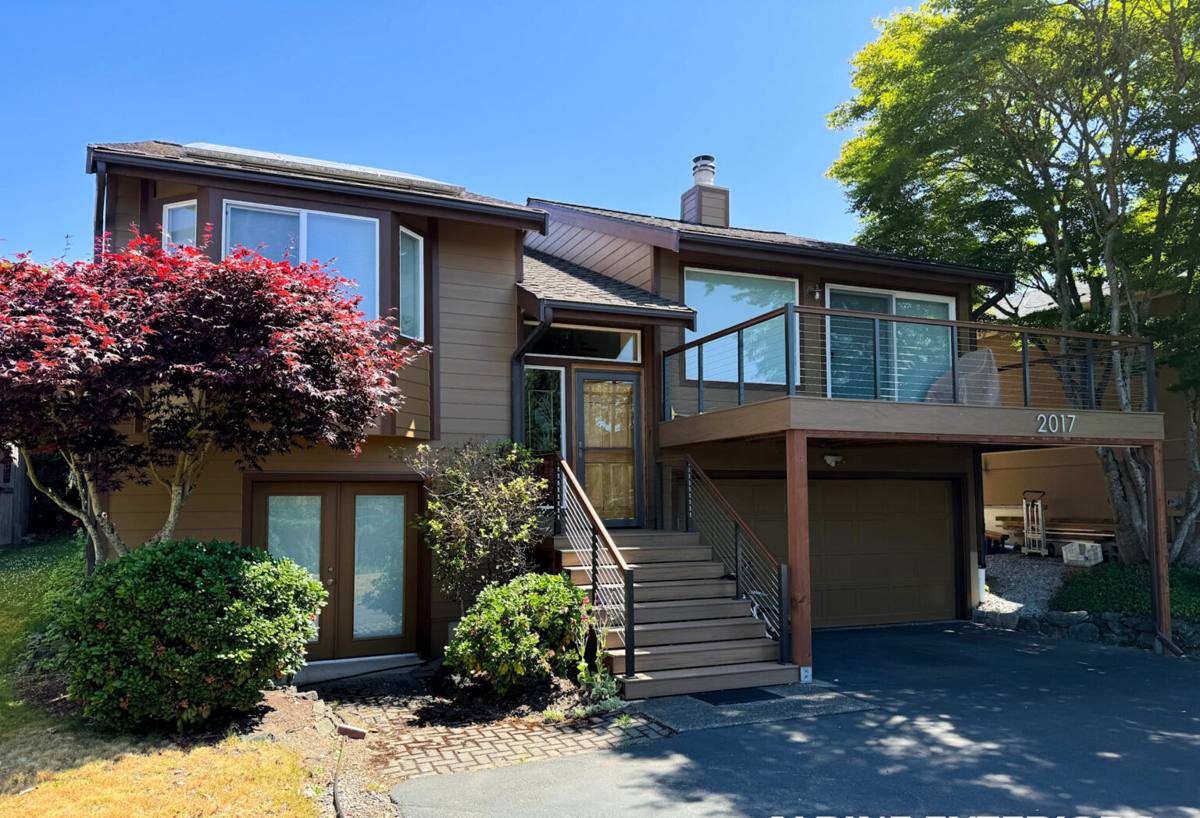
What Pinellas Point's Climate Actually Does to a Roof
Salt Air and Corrosion
Proximity to open water means airborne salt settles on every exterior surface, including roofing. Over time, salt exposure accelerates corrosion on fasteners, flashing, and any metal that isn't rated for coastal use. This is one of the biggest differences between a roof spec'd for an inland subdivision and one built for a waterfront-adjacent neighborhood like Pinellas Point.
Wind and Uplift
Hurricane-force wind events put direct uplift pressure on a roof, and that pressure concentrates at the edges, corners, and ridge — the same places where cheap installation shortcuts tend to show up first. A metal roof's wind performance comes down almost entirely to the fastening pattern, panel-to-substrate attachment, and edge detailing, not just the panel material itself.
UV and Heat Cycling
Florida sun is intense and constant, and a roof surface can go through significant daily heat-up and cool-down cycles. That thermal movement stresses seams, sealants, and fastener penetrations. Materials and details that aren't built to expand and contract without failing will eventually leak, even without a storm involved.
Wind-Driven Rain
It isn't just how much rain falls — it's the angle it falls at. Wind-driven rain gets pushed sideways and upward into laps, penetrations, and transitions that would stay dry in a normal rainstorm. Underlayment and flashing details matter as much as the roof covering itself.
What a Correct Metal Roof Installation Involves
A metal roof is only as good as the assembly underneath it. On every Pinellas Point project, the details below are what separate a roof that performs for decades from one that causes problems within a few years.
Deck and Substrate Condition
Before any panel goes down, the roof deck needs to be sound — no rot, no soft spots, no old fastener holes left unsealed. Installing new roofing over a compromised deck just hides a problem that will resurface as a leak later.
Underlayment
A high-quality synthetic or self-adhered underlayment acts as the roof's last line of defense if wind-driven rain gets past the panels. In a coastal-adjacent area like this one, we don't treat underlayment as an afterthought — it's part of the system, not just a code minimum.
Fastening and Wind Rating
Fastener type, spacing, and pattern determine how a metal roof actually performs in high wind, and this is where roofs are won or lost. Coastal installations call for corrosion-resistant fasteners and attachment methods matched to the panel profile and the property's wind exposure, not a generic pattern used everywhere.
Flashing and Penetrations
Valleys, ridges, wall transitions, and any roof penetration (vents, chimneys, skylights) are the most common source of leaks on any roof, metal included. Correctly formed and sealed flashing at these points matters more to long-term performance than the panel choice itself.
Coastal-Grade Materials
Not every metal roofing product or fastener is built for salt exposure. We select coatings, alloys, and hardware appropriate for a waterfront-adjacent property, because a roof that's rated for an inland climate can start showing corrosion at fastener heads and cut edges well before it should.
Panel Options for Pinellas Point Homes
There isn't one "best" metal roof for every home — the right choice depends on the roof's slope, the home's style, and the homeowner's priorities around cost, appearance, and long-term maintenance.
| Panel Type | Fastening | Best Fit | Maintenance Consideration |
|---|---|---|---|
| Standing Seam | Concealed clips, no exposed fasteners on the field | Homes prioritizing longevity and a clean, low-maintenance profile | Minimal — no exposed fastener heads to monitor or reseal |
| Exposed-Fastener Panel | Fasteners driven through the panel face | Budget-conscious projects, outbuildings, some architectural styles | Fastener washers and gaskets need periodic inspection and eventual replacement |
| Stone-Coated Steel | Interlocking panels, concealed and exposed fastening varies by product | Homeowners wanting a shingle or tile appearance with metal's durability | Coating and granule adhesion should be checked after major storms |
For most full roof replacements in this neighborhood, we lean toward standing seam because the concealed fastening removes one of the biggest long-term failure points in a salt-air environment — there's no exposed fastener head for corrosion or a failed washer to work its way loose over time. Exposed-fastener systems can still be a sound, more affordable option when installed correctly and maintained on schedule; we'll walk through the honest trade-offs for your specific roof rather than defaulting to the upsell.
Our Process, Start to Finish
1. On-Site Assessment
We inspect the existing roof, deck condition, ventilation, and any problem areas (past leaks, soft decking, damaged flashing) before recommending a scope of work.
2. Honest Recommendation
We'll tell you what your roof actually needs — sometimes that's a full metal roof replacement, sometimes it's targeted repair, and we'll explain the reasoning either way.
3. Permitting
Roofing work in St. Petersburg and Pinellas County requires permits and inspections tied to local wind and building codes. We handle that process so the work is documented and compliant, which also matters for insurance and resale.
4. Tear-Off and Deck Prep
Old roofing comes off, the deck is inspected and repaired as needed, and any damaged sections are addressed before new underlayment goes down.
5. Installation
Panels, flashing, and trim are installed to the fastening and detailing standards appropriate for a coastal-exposed property — not a generic inland spec.
6. Final Walkthrough and Inspection
We review the completed roof with you, confirm everything passes required inspections, and go over what maintenance, if any, the system needs going forward.
Signs a Pinellas Point Roof May Need Attention
- Streaking, rust spots, or discoloration at fastener heads or seams
- Loose, lifted, or visibly damaged panels after a storm
- Soft spots or sagging visible from the ground or attic
- Water stains on interior ceilings, especially near roof penetrations
- Visible gaps or deterioration at flashing around chimneys, vents, or wall transitions
- A roof approaching or past the manufacturer's stated service life with no recent inspection
Any one of these on its own isn't necessarily an emergency, but in a wind- and salt-exposed area like Pinellas Point, small issues tend to compound faster than they would inland. Catching them early is almost always cheaper than waiting.
What Affects the Cost of a Metal Roof Here
| Cost Factor | Why It Matters |
|---|---|
| Panel type and gauge | Standing seam with concealed fasteners generally costs more upfront than exposed-fastener panels but requires less ongoing maintenance |
| Roof size and complexity | More valleys, penetrations, and roof planes mean more flashing work and labor time |
| Deck condition | Rot or damage found during tear-off adds repair costs that can't always be predicted before the roof is opened up |
| Coastal-grade hardware and coatings | Corrosion-resistant fasteners and finishes cost more than standard-grade materials but are worth it this close to the water |
| Underlayment quality | A better underlayment system adds cost but adds real protection against wind-driven rain |
Metal roofing typically costs more upfront than asphalt shingles, though the price gap has narrowed in recent years and the longer service life and lower maintenance often make up the difference over time. We'll give you a clear, itemized estimate rather than a vague ballpark, so you know exactly what you're paying for.
Why It Matters That We Already Work in Pinellas Point
A contractor who mostly works inland, then takes an occasional job near the water, can miss things that a crew familiar with this specific area catches automatically — the right fastener grade for salt exposure, flashing details sized for wind-driven rain, and permitting requirements tied to Pinellas County's wind zones. Working in this neighborhood regularly means we've seen how roofs here actually age, not just how they're supposed to perform on paper. That local pattern recognition is part of what you're paying for when you hire a crew that already knows the area, not just the trade.
It also means faster response if something comes up after a storm — we're not driving in from across the county to take a look.
Let's Take a Look at Your Roof
If your Pinellas Point home has a roof nearing the end of its service life, storm damage, or you're simply weighing metal against your next re-roof, we're happy to come take a look and give you a straight answer — no pressure, no hard sell. Use the form below to request a free estimate, and we'll walk your roof with you and explain exactly what we see.