 St. Petersburg Window
 Roofing Bartlett Park Homes for the Climate They Actually Face
Bartlett Park sits inside one of the toughest roofing environments in the country, not because the neighborhood is unusual but because it's part of St. Petersburg and Pinellas County — a peninsula that takes the full brunt of Gulf humidity, tropical storm systems, and near-constant sun. A roof here isn't just a shingle order and a nail gun. It's a system that has to hold a wind rating under real hurricane-force gusts, shrug off year-round UV that degrades asphalt faster than it would in a milder climate, resist wind-driven rain that gets forced sideways into every gap and lap, and stand up to salt air that accelerates corrosion on every metal component on the roof. Homes in Bartlett Park run from older bungalows with original framing to newer infill construction, and the right shingle roof depends on knowing which one you're standing on.
This page is about one job, done right, in one part of St. Petersburg: asphalt shingle roofing for Bartlett Park homes. Not a generic overview of roofing in general — the specifics of what this climate demands, what a correctly installed shingle roof actually involves, and how we approach the work when we're on your property.
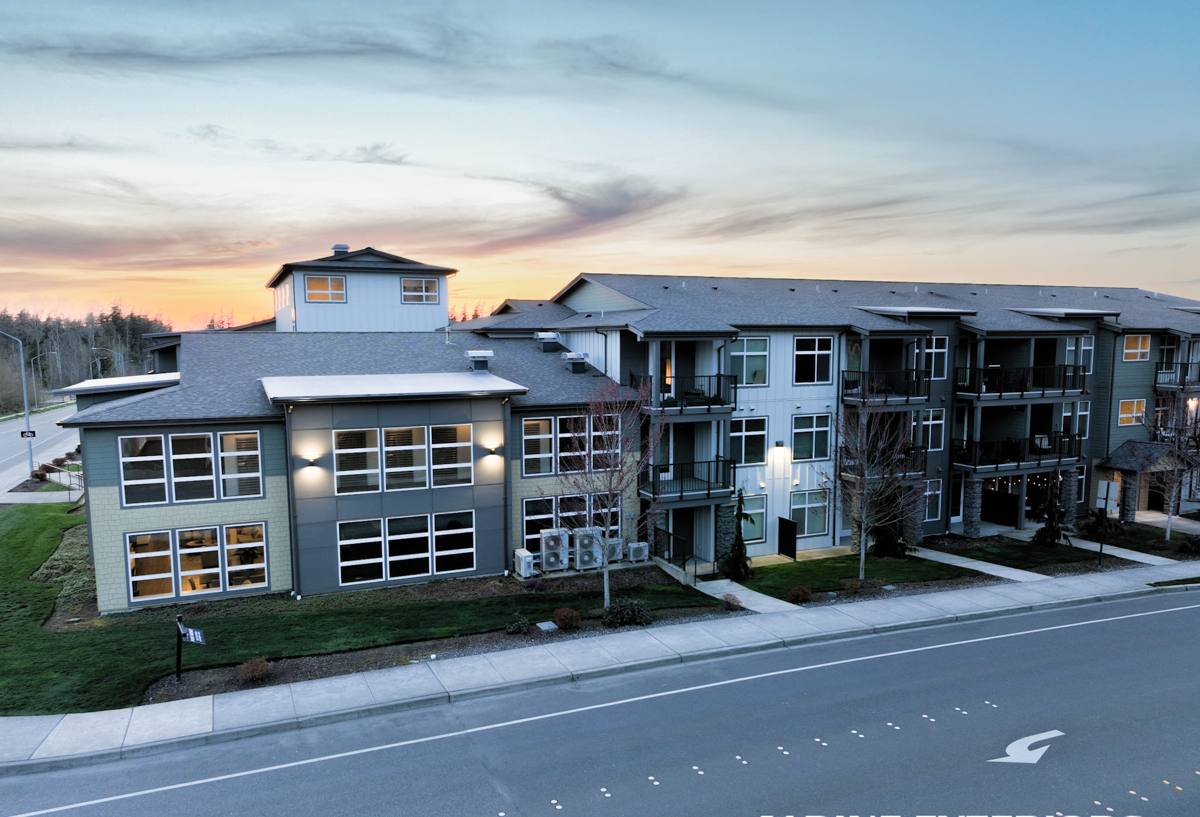
What This Climate Does to a Shingle Roof Over Time
UV and Heat
Florida sun is not the same as sun in most of the country. Asphalt shingles are petroleum-based products, and constant UV exposure combined with high roof-deck temperatures accelerates the breakdown of the asphalt binder that holds the granules and mat together. Over years, this shows up as granule loss, brittleness, and shingles that curl or crack instead of flexing. It's the single biggest reason a shingle roof in St. Petersburg won't last as long as the same product installed in a cooler, cloudier region — and it's why product selection and proper attic ventilation both matter more here than the shingle wrapper's headline warranty number suggests.
Wind and Wind-Driven Rain
Pinellas County sees tropical storm and hurricane activity most years, and even a storm that doesn't make direct landfall nearby can push sustained wind and gusts strong enough to test every nail and every shingle tab on a roof. Wind doesn't just try to lift shingles — it drives rain sideways, up under laps, and into any seam that wasn't sealed correctly. A shingle roof that looks fine from the ground can still be letting water in at the ridge, the valleys, or the flashing around a chimney or vent pipe if those details were rushed during installation.
Salt Air and Humidity
Being close to the coast means airborne salt settles on roofing metal — flashing, drip edge, nail heads, vent boots — and speeds up corrosion. Combined with the humidity that never really lets up, this is also an environment where poor attic ventilation leads to trapped moisture, which shortens the life of both the shingles and the roof deck underneath them.
What a Correct Asphalt Shingle Roof Involves Here
A shingle roof built for Bartlett Park's conditions is a stack of decisions, not a single product choice. Getting any one layer wrong undermines the rest.
- Deck inspection and repair — every section of decking is checked for soft spots, delamination, or old water damage before anything new goes down. Shingles installed over a compromised deck fail early no matter how good the shingle is.
- Underlayment rated for wind-driven rain — synthetic or self-adhering underlayment in the areas most exposed to wind-driven moisture, not just a single layer of felt.
- Starter strips and correct nailing pattern — proper nail count and placement, sized for the wind zone, following manufacturer specs exactly rather than a shortcut pattern.
- Sealed valleys and properly stepped flashing — valleys and any wall-to-roof transitions are common leak points if flashing is reused or improperly lapped.
- Corrosion-resistant metal — drip edge, flashing, and fasteners suited to a coastal-influenced environment rather than standard interior-grade hardware.
- Balanced attic ventilation — intake and exhaust that actually work together, so heat and moisture don't build up under the deck and cook the shingles from underneath.
- Wind-rated shingle installation — hand-sealed or storm-nailed per the shingle's rated wind speed, especially on ridges and roof edges where uplift is highest.
Signs a Bartlett Park Roof Needs Attention
Most shingle roof failures don't announce themselves with a sudden leak — they build slowly. Homeowners who catch these signs early save money by addressing a repair instead of an emergency replacement.
- Granules collecting in gutters or at downspout outlets
- Shingles that look curled, cupped, or have lifted edges
- Visible cracking, especially on south- and west-facing slopes that take the most sun
- Dark streaking or algae growth across the roof field
- Soft spots or sagging felt underfoot when walked (a professional should check this, not a homeowner)
- Missing shingles or exposed nail heads after a storm
- Water stains on interior ceilings, especially near valleys, chimneys, or skylights
- Rising energy bills that may point to failing attic ventilation, not just the shingles
Repair, Partial Replacement, or Full Roof: How to Tell
Not every issue means a full tear-off. The right call depends on the roof's age, how localized the damage is, and what's happening underneath the shingles.
| Situation | Typical Fix | What We Check First |
|---|---|---|
| Isolated storm damage, roof under 10 years old | Targeted repair — replace affected shingles and flashing | Deck condition beneath the damaged area, matching shingle availability |
| Recurring leak in one spot (valley, chimney, skylight) | Flashing repair or re-detail of that section | Whether the leak is a flashing failure or a symptom of broader wear |
| Widespread granule loss, curling, roof 15+ years old | Full replacement | Overall shingle life remaining vs. cost of continued patch repairs |
| Multiple leaks, soft decking in more than one area | Full replacement with deck repair | Extent of deck damage, which drives material and labor cost |
| Roof approaching insurance-required age limits | Replacement, planned proactively | Insurer requirements and timeline before a policy issue forces the decision |
We'll always tell you honestly when a repair is the right call instead of pushing a full replacement — a roof with useful life left doesn't need to come off early.
Our Process, Start to Finish
- On-site inspection. We walk the roof, check the attic side for ventilation and moisture issues, and document the actual condition — not just what's visible from the ground.
- Honest scope and written estimate. You get a clear explanation of what's needed, what's optional, and what it costs, with no pressure to upsize the job.
- Material selection. We talk through shingle class, wind rating, and color options suited to your home and budget.
- Permitting. Roofing work in St. Petersburg requires a permit pulled through the city, and we handle that as part of the job.
- Tear-off and deck inspection. Old roofing comes off down to the deck, which is inspected and repaired as needed before anything new is installed.
- Underlayment, flashing, and shingle installation. Installed to manufacturer spec and wind-rated nailing requirements, not a shortcut pattern.
- Cleanup and magnetic nail sweep. The property is cleared of debris and swept for stray fasteners before we consider the job done.
- Final walkthrough. We review the finished roof with you and answer any questions before closing out the job.
Shingle Options and What Drives Cost
Most Bartlett Park homes land on one of a few standard shingle classes. The right one depends on budget, wind exposure, and how long you want the roof to last before the next major decision.
| Shingle Type | Typical Wind Rating | Best Fit |
|---|---|---|
| 3-tab (standard) | Lower wind rating, entry-level | Budget-driven projects, less exposed roof sections |
| Architectural / dimensional | Higher wind rating, thicker profile | Most Bartlett Park homes — better durability for the exposure this area gets |
| Impact-rated / high-wind class | Highest wind rating available in asphalt shingles | Homes wanting maximum wind performance and potential insurance credit |
Cost is driven less by the shingle itself and more by deck condition, roof complexity (valleys, dormers, pitch changes), and how much tear-off and disposal is involved. We'll break these out clearly in any estimate so you know what's paying for what.
Permits, Codes, and Insurance Considerations in Pinellas County
Roofing work in St. Petersburg falls under the Florida Building Code, which sets minimum wind-uplift and installation standards specific to high-velocity hurricane zones like this one. A permitted, inspected roof replacement isn't optional paperwork — it's what protects you if there's ever a warranty dispute or an insurance claim down the line. We handle permitting as a standard part of every replacement, and we can provide the documentation homeowners often need for insurance renewal or wind mitigation credits.
Why Local Experience in Bartlett Park Matters
A roofing crew that regularly works in this part of St. Petersburg already knows the housing stock — the mix of older framing and newer construction, the typical roof pitches and valley layouts, and which details tend to get shortcut on roofs that weren't built for this climate in the first place. That familiarity shows up in faster, more accurate inspections and fewer surprises once tear-off starts. It also means we're not guessing at wind zone requirements or scrambling to learn permitting requirements on your job — that's groundwork we've already done.
If you're seeing granule loss, curling shingles, a persistent leak, or you just want an honest read on how much life your current roof has left, we're happy to take a look. Reach out for a free, no-pressure estimate using the form below.