 St. Petersburg Window
 Roofing in Euclid-St. Paul Isn't a Generic Job
Euclid-St. Paul sits close enough to Tampa Bay and the Gulf that its homes take on a specific mix of punishment: salt-laden air that eats at metal fasteners and flashing, intense year-round UV that bakes shingle granules and breaks down sealants faster than in northern climates, and the wind-driven rain that comes with Pinellas County's storm season. A roof installed with generic, one-size-fits-all methods might look fine for a few years, then fail exactly where it matters most — at the edges, the penetrations, and the fastening pattern that's supposed to hold it down in a wind event.
When we talk about new roof installation for this neighborhood, we're not just talking about swapping old shingles for new ones. We're talking about a system built to handle St. Petersburg's climate specifically, installed to current Florida Building Code wind-uplift standards, by a crew that has already worked on homes like yours in this area.
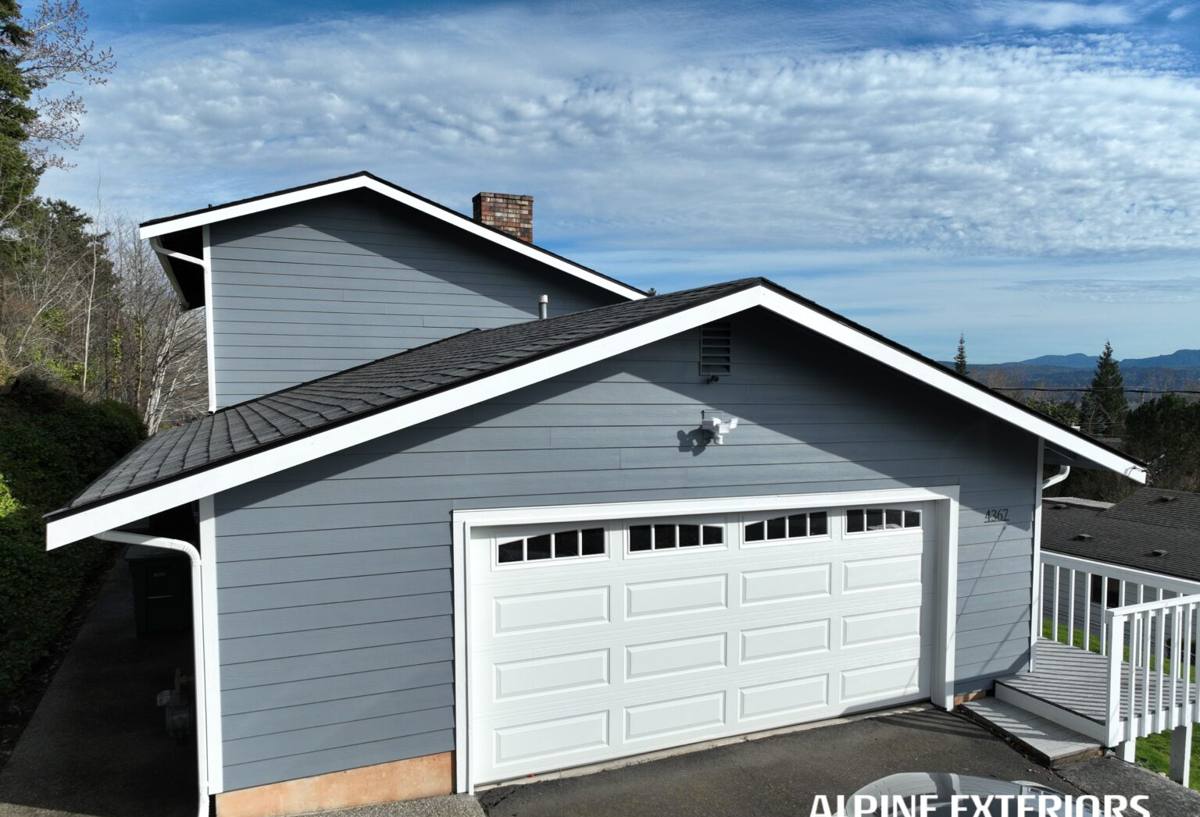
How to Tell You Need a Full Replacement, Not Another Repair
Plenty of Euclid-St. Paul homeowners have paid for repair after repair on a roof that was already past the point where patching made sense. A few honest signs it's time to stop repairing and start planning a full installation:
- Granule loss heavy enough that you're finding sand-like debris in gutters and downspouts on a regular basis
- Shingles that are curling, cupping, or cracking across large sections rather than one isolated spot
- Soft spots or sagging when walked on, which usually means deck damage underneath
- Multiple past repairs in different areas within the last few years
- Visible daylight through the attic, or recurring leaks after every heavy rain
- A roof already at or beyond its expected service life for its material type
If you're only seeing one or two of these and the roof is otherwise young, a targeted repair may still be the right call. We'll tell you that directly — a full tear-off isn't the answer to every problem, and we'd rather give you an honest read than sell a job you don't need yet.
What a Correct Roof Installation Actually Involves
Tear-Off and Deck Inspection
A proper installation starts by removing the old roofing material down to the deck, not layering over it. That's the only way to actually see what's underneath. In coastal humidity, plywood decking can develop soft or delaminated spots that aren't visible from above. Any damaged sections get cut out and replaced before anything new goes down. Skipping this step is one of the most common shortcuts in the industry, and it's also the one most likely to cause problems five or ten years down the road.
Underlayment and Flashing
The underlayment is your roof's backup water barrier, and in a market with wind-driven rain like ours, it matters more than in drier climates. We use synthetic or self-adhering underlayment appropriate to the roof design, with extra attention at valleys, and around chimneys, skylights, and vent stacks — the spots where the large majority of leaks actually originate. New flashing, not reused flashing, goes in at every one of those transitions.
Fastening and Wind Rating
This is the part that separates a roof built for Pinellas County from a roof built for somewhere without hurricane exposure. Fastening pattern, nail type and placement, and starter strip installation are all governed by Florida Building Code wind-uplift requirements, and they're not optional details — they're the difference between a roof that stays put and one that doesn't.
Ventilation
An under-ventilated attic traps heat and moisture, which shortens the life of the roofing material from underneath and can void manufacturer warranties. Every installation should include a look at existing intake and exhaust ventilation, with corrections made as part of the job rather than treated as a separate upsell later.
Roofing Material Options for Euclid-St. Paul Homes
There isn't one "right" material for every home, but here's how the common options stack up against this specific climate:
| Material | Wind/Storm Performance | UV & Heat Behavior | Maintenance in Salt Air |
|---|---|---|---|
| Architectural asphalt shingle | Strong when rated and installed to code; widely used locally | Good with algae-resistant granules; gradual granule loss over time | Low; standard inspections |
| 3-tab asphalt shingle | Lower wind rating than architectural shingles | Shorter service life in intense UV | Low, but shorter lifespan overall |
| Standing seam metal | Excellent uplift resistance when properly fastened | Reflects heat well, ages slowly under UV | Needs corrosion-resistant fasteners and coatings near the coast |
| Tile (concrete or clay) | Strong if underlayment and attachment are done correctly | Very stable under UV | Heavier system; underlayment life is the real maintenance factor |
Most homes in this part of St. Petersburg land on architectural asphalt shingle for the balance of cost, wind performance, and appearance, but metal and tile both have a real place here when the home's structure and the homeowner's priorities call for it. We'll walk through the trade-offs for your specific roof rather than steering you toward whatever's easiest for us to install.
Wind and Code Requirements in Pinellas County
Pinellas County enforces Florida Building Code requirements for wind-uplift resistance, and a new roof here needs a permit and inspection — that's not a formality, it's protection for you. It confirms the deck, underlayment, flashing, and fastening were all done to the standard your insurance carrier and any future buyer will expect. A licensed, permitted installation also matters directly for homeowners insurance: many carriers ask for proof of a code-compliant roof, and some offer credits for wind mitigation features that get documented during a proper installation and inspection.
Any roofer who suggests skipping the permit to save time or money is asking you to take on risk that should never be yours to carry.
Our Installation Process
- On-site inspection — we look at the current roof, attic ventilation, and any visible deck or structural concerns before recommending anything
- Written estimate — material options, scope of work, and pricing laid out clearly, no vague allowances
- Permitting — we pull the required Pinellas County permit and schedule inspections
- Tear-off and deck repair — old material removed, deck inspected and repaired as needed
- Underlayment, flashing, and installation — installed to the wind-rated specifications for your chosen material
- Cleanup and final walkthrough — site cleared, magnetic sweep for debris, and a walkthrough so you understand what was done
- Final inspection and paperwork — permit closed out, warranty documentation provided
Why Hiring a Crew That Already Works in Euclid-St. Paul Matters
A roofing crew that regularly works in this part of St. Petersburg already understands the local permitting process with Pinellas County, knows what wind-uplift documentation your specific home's construction type needs, and has seen firsthand how salt exposure and UV affect roofs in this neighborhood over time. That's different from a crew driving in from outside the area with a generic install process that isn't adjusted for coastal conditions.
Local familiarity also means faster response for storm-related concerns, easier scheduling for inspections tied to county timelines, and a crew that's still around and reachable years after the job if a warranty question comes up.
Checklist: What to Ask Before You Sign a Roofing Contract
- Is the company licensed and insured in Florida, and can they provide proof?
- Will they pull the permit themselves, and is that cost included in the estimate?
- What underlayment and flashing details are specified, not just the shingle brand?
- What is the wind-uplift rating of the proposed system, and does it meet current code?
- Is deck repair priced as an allowance or handled as time-and-materials if problems are found?
- What does the manufacturer's warranty cover, and what does the workmanship warranty cover separately?
- Will attic ventilation be assessed and corrected as part of the scope?
- Who handles cleanup, including nail and debris sweep of the yard and driveway?
A contractor who answers these plainly, in writing, before you sign anything is showing you how they'll handle the rest of the job.
What This Costs, Honestly
Roofing costs vary by roof size, pitch, material, deck condition, and how much of the underlying structure needs repair — there's no single number that applies to every Euclid-St. Paul home. Asphalt shingle systems are generally the most budget-friendly option, metal and tile carry a higher upfront cost with different long-term maintenance profiles, and any deck repair found during tear-off adds to the total. We'd rather walk your roof and give you real numbers than quote a range that doesn't mean anything for your specific house.
Ready to Talk About Your Roof?
If your roof is showing its age, took storm damage, or you just want an honest opinion on whether repair or replacement makes sense, we're happy to take a look. Reach out for a free, no-pressure estimate using the form below, and we'll walk you through exactly what your Euclid-St. Paul home needs and why.