 St. Petersburg Window
 Why Kenneth City Roofs Take a Different Kind of Beating
Kenneth City sits in the middle of Pinellas County, close enough to the Gulf and Tampa Bay that every roof in town deals with the same combination of stresses: hurricane-force wind events, intense year-round UV exposure, wind-driven rain that finds its way into the smallest gaps, and salt-laden air that speeds up corrosion on metal fasteners and flashing. None of that is unique to any one street or subdivision — it's the baseline for roofs across St. Petersburg and the surrounding Pinellas County communities. What it means practically is that a roof repair here has to account for more than the visible damage. A patch that would hold up fine in a drier, calmer climate can fail here within a season or two if it doesn't respect what the local weather actually does to roofing materials.
That's the lens we bring to every Kenneth City roof repair call: what caused this damage, what else nearby is likely compromised, and what repair approach will actually last through the next storm season rather than just through the next inspection.
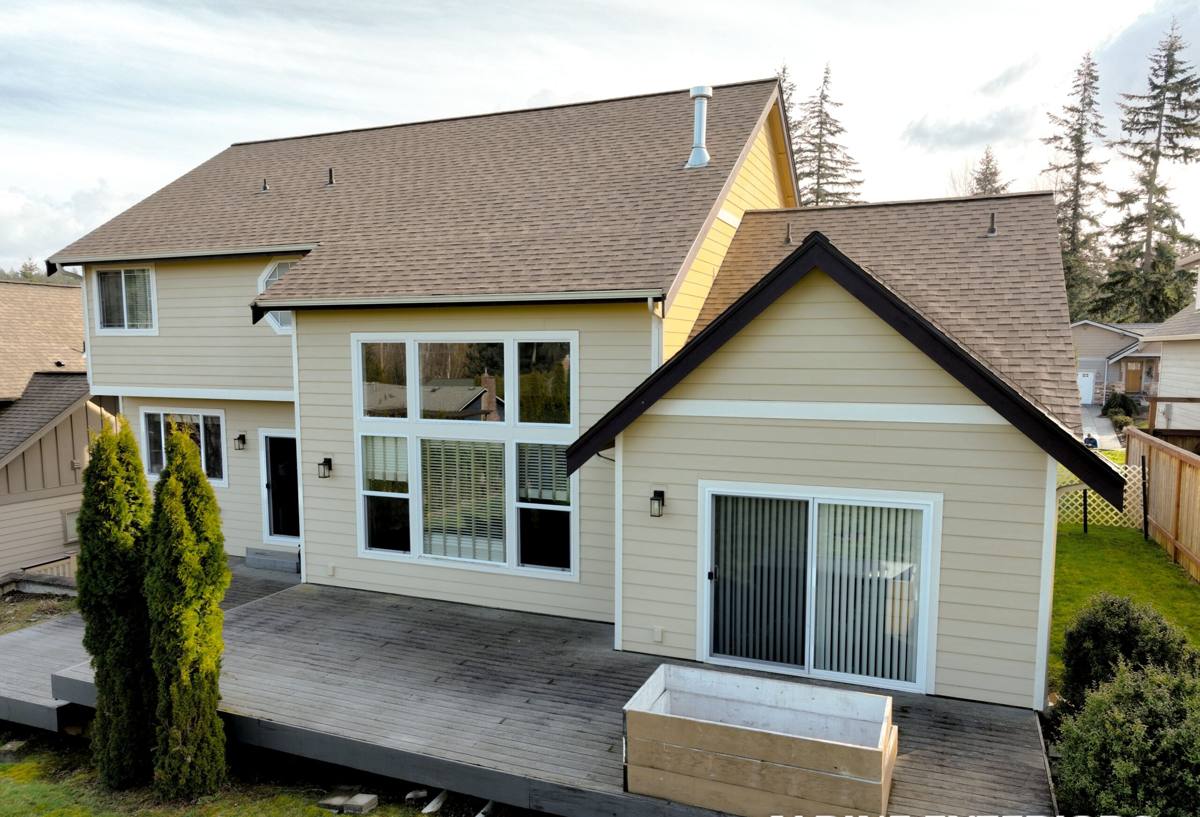
Common Roof Repair Issues We See in Kenneth City
Wind-Lifted and Missing Shingles
Sustained coastal winds and gusts during storm events work shingles loose at the edges, ridges, and hips first — the areas with the least overlap protection. Once a shingle lifts even slightly, wind gets underneath it repeatedly until it tears free or cracks along the seal line. A missing shingle is an obvious problem; the ones still there but no longer sealed down are the ones that cause slow leaks nobody notices until there's a stain on a ceiling.
Flashing and Penetration Failures
Flashing around chimneys, skylights, vent stacks, and roof-to-wall transitions is where most leaks actually originate, not in the field of the roof itself. Thermal cycling from intense daytime heat followed by rapid cooling during afternoon storms causes sealants and metal flashing to expand and contract at different rates, opening tiny gaps over time. Salt air accelerates rust on exposed fasteners and unprotected metal edges, which weakens the flashing's ability to stay watertight.
UV-Related Granule Loss and Brittle Underlayment
Florida's year-round sun exposure is harder on asphalt shingles than most homeowners realize. UV breaks down the asphalt binders over time, causing granules to shed and the shingle mat underneath to become brittle. Once granule loss is significant, that section of roof loses much of its wind and rain resistance even if it looks intact from the ground. Underlayment exposed by damaged shingles degrades even faster once direct sun reaches it.
Ponding and Drainage Issues on Low-Slope Sections
Many homes in this area have at least one low-slope section — over a porch, garage extension, or addition — where drainage depends entirely on proper slope and clear gutters. Wind-driven rain combined with debris buildup can cause water to pond rather than drain, and standing water is one of the fastest ways to turn a small membrane flaw into an active leak.
What a Correct Roof Repair Actually Involves
A roof repair done right is a diagnostic process, not just a patch job. The visible damage is often only part of the picture — wind and water rarely stop exactly where the obvious signs end. Before any repair work starts, the affected area and everything around it needs to be checked for secondary damage: soaked or compromised decking, displaced underlayment, corroded fasteners, and compromised flashing seams nearby.
A repair that's done correctly should include:
- Identifying the actual source of the leak or damage, not just the point where it's visible from inside the home
- Checking and, where needed, replacing damaged decking underneath the repair area — a new shingle over rotten wood won't hold
- Matching shingle or roofing material as closely as possible in type, profile, and where feasible, color
- Re-sealing and re-flashing any penetrations or transitions within the repair zone, not just the primary damage point
- Confirming proper fastening patterns that meet current wind-resistance standards, since older fastening methods may not hold up to today's code requirements
- Checking adjacent areas for early-stage wear so small problems get addressed before they become the next service call
Skipping any of these steps is how a "repair" turns into a callback six months later — usually after the next round of storms.
Our Roof Repair Process for Kenneth City Homeowners
1. Inspection and Diagnosis
We start on the roof, not just at the point where you noticed a stain or a drip. That means checking the full slope, all penetrations, flashing, and drainage paths connected to the affected area, and looking at attic or ceiling access points where visible to confirm how far water has traveled.
2. Written Scope and Estimate
You get a clear explanation of what's actually wrong, what needs to be repaired versus what's simply cosmetic, and a written estimate before any work begins. If a repair doesn't make sense given the roof's age or condition, we'll tell you that too rather than patching something that needs a bigger conversation.
3. The Repair Itself
We use materials matched to your existing roof system, properly flash and seal every penetration in the work area, and fasten to current wind-resistance standards — not just replicate whatever was there before if it was part of the problem.
4. Cleanup and Documentation
Debris and old materials are removed from the property, and we document the repair, including any decking replacement, so you have a record for your files or for insurance purposes if the damage was storm-related.
Repair or Replace? How We Help You Decide
Not every roof problem calls for a repair, and not every roof problem calls for full replacement either. The decision usually comes down to the roof's age, the extent of the damage, and how many separate issues are showing up across the roof at once.
| Factor | Repair Usually Makes Sense | Replacement Should Be Considered |
|---|---|---|
| Roof age | Under 12–15 years, one or two isolated issues | Near or past the material's expected service life |
| Extent of damage | Localized to one area or system (flashing, one section) | Widespread granule loss, multiple leak points, or repeated repairs in different areas |
| Decking condition | Solid, dry decking under the damaged area | Soft, rotted, or repeatedly wet decking across multiple sections |
| Storm history | Isolated wind or debris damage after a single event | Cumulative damage from multiple storm seasons |
| Underlayment condition | Intact and sealed outside the repair zone | Brittle, cracked, or failing underlayment found during inspection |
We'll always give you a straight answer on which side of this table your roof falls on — our goal is a repair that actually holds, not the biggest job we can sell you.
Materials and Methods We Use
For asphalt shingle roofs, we match the existing shingle type as closely as possible and use fastening patterns and flashing details built for Florida's wind and rain exposure rather than the minimum that was standard when the roof was originally installed. For tile roofs, repairs focus on the underlayment and flashing beneath the tile — the tile itself is usually durable, but the waterproofing layer underneath is what actually keeps water out, and that's where age and UV exposure do the most damage. For flat or low-slope sections, we address membrane seams, flashing transitions, and drainage so water moves off the roof instead of pooling.
We're selective about the materials we use for repairs in this climate. Some lower-cost patch materials and sealants look fine going on but don't hold up to sustained UV exposure or the expansion-contraction cycle from Florida's heat, which means they fail again within a year or two. We'd rather explain that trade-off upfront than do a repair that doesn't last.
What Roof Repair Typically Costs in Kenneth City
Costs vary based on the type of roofing material, how many areas need attention, whether decking replacement is involved, and how accessible the roof is. A small, isolated flashing repair is a very different job from a repair addressing wind damage across multiple sections plus compromised decking. Rather than quote a number that doesn't mean much without seeing the roof, here's what actually drives the cost:
- Type of roofing material (asphalt shingle, tile, or flat/low-slope membrane)
- Size and number of damaged areas
- Whether decking underneath needs to be replaced
- Roof pitch and accessibility
- Whether flashing, vents, or other penetrations need to be re-worked as part of the repair
- Roof age, which affects how well new materials will match and how the existing roof handles the additional work
We provide a written estimate after inspecting the roof in person, so you know the actual scope and cost before any work is scheduled — no guessing over the phone.
Why Hiring a Crew That Already Works in Kenneth City Matters
Roofing standards and permitting requirements in Pinellas County reflect the area's hurricane exposure, and a crew that regularly works in and around St. Petersburg already knows what inspectors look for and what wind-resistance fastening and flashing details hold up here versus what's just standard elsewhere. That familiarity matters when it comes to insurance documentation too — if damage is storm-related, having clear, well-documented repair records from a contractor who understands how local adjusters evaluate roof damage claims can make that process smoother.
It also means we're not learning your neighborhood's roofing quirks on your dime. Homes in Kenneth City and the surrounding Pinellas County area share enough in common — age of housing stock, typical roofing systems, exposure to the same storm patterns — that a crew with local experience can diagnose problems faster and recommend repairs that are actually appropriate for how these roofs perform here, rather than applying a generic approach.
Protecting Your Repair: Maintenance Between Service Calls
A good repair lasts longer with basic upkeep in between. Simple maintenance habits go a long way in this climate:
- Keep gutters and downspouts clear so water drains properly instead of backing up under roofing edges
- After major storms, do a visual check from the ground for missing or displaced shingles
- Trim back tree limbs that overhang the roof to reduce debris buildup and physical damage during wind events
- Watch for granule buildup in gutters, which can signal accelerating shingle wear
- Have flashing around chimneys, skylights, and vents checked periodically, since these are the most common leak points
- Address small leaks or stains promptly rather than waiting — minor issues are far cheaper to fix than the damage they cause if ignored
If you're dealing with a leak, storm damage, or just an aging roof that needs an honest look, we're happy to come out and take a look. The estimate is free, there's no pressure to sign anything on the spot, and you'll get a straight answer about what your roof actually needs — just fill out the form below to get started.