 St. Petersburg Window
 Siding That Has to Work in Crescent Lake's Climate
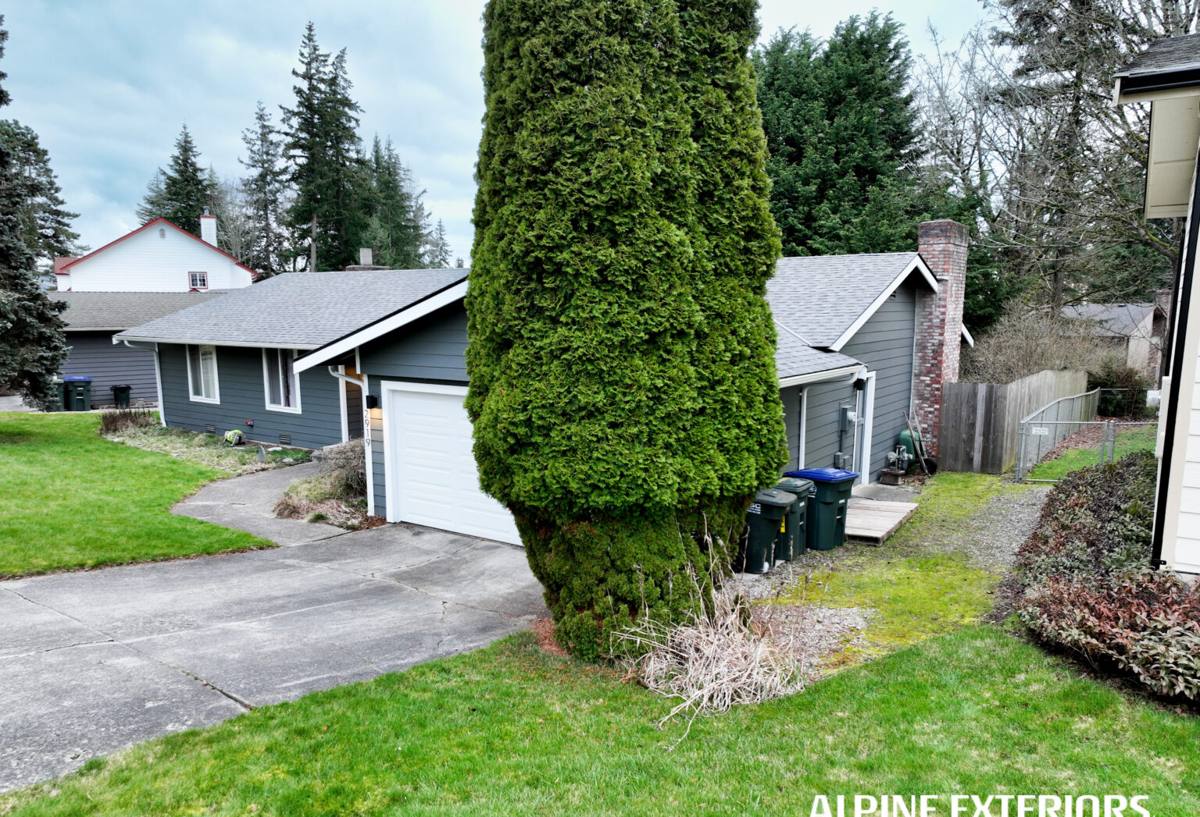
Crescent Lake is one of St. Petersburg's older, tree-lined neighborhoods, and homes here carry a mix of architectural styles — bungalows, mid-century ranches, and newer infill construction sitting close together on shaded lots. That mature tree canopy is part of what makes the neighborhood desirable, but it also means siding here deals with a specific combination of stresses: shade that keeps moisture around longer after a storm, humidity that never really lets up, and the same year-round Gulf Coast sun and wind exposure that the rest of Pinellas County contends with.
Siding in this part of Florida isn't just cosmetic. It's the first line of defense against wind-driven rain during tropical systems, intense UV that breaks down lesser materials from the outside in, and the salt-laden air that drifts inland from Tampa Bay and the Gulf. A product that isn't built for this environment — or that's installed without accounting for it — will show problems years before it should: fading, swelling, soft spots, or paint that won't hold.
What Crescent Lake Homes Actually Need From Their Siding
Moisture Management, Not Just Moisture Resistance
Because many Crescent Lake lots have significant tree cover, siding stays wetter longer after rain than it would on a fully exposed lot. That means the material itself needs to tolerate repeated wet-dry cycles without warping or losing structural integrity, and the installation needs proper drainage planes, clearances, and flashing so water has somewhere to go instead of sitting against the wall.
Wind Performance for Named Storms
St. Petersburg sits in a hurricane-exposed part of the Gulf Coast, and siding needs a fastening pattern and manufacturer wind rating that matches that reality — not the minimum a builder can get away with. This matters more on two-story sections and gable ends, where wind uplift is highest.
UV and Color Stability
Florida sun is relentless twelve months a year. Siding that relies on field-applied paint will chalk, fade, and need repainting on a cycle most homeowners don't want to keep up with. A factory-cured finish designed for UV exposure holds its color far longer.
Salt Air Tolerance
St. Petersburg is a peninsula — Tampa Bay wraps around much of it — and salt in the air corrodes fasteners, pits certain finishes, and accelerates wear on anything not rated for coastal-adjacent exposure, even well inland from the immediate waterfront.
Why We Only Install James Hardie Fiber Cement
We made a deliberate decision to install one siding system — James Hardie fiber cement — rather than offer a menu of vinyl, engineered wood, or other fiber cement brands. That's not a marketing position; it's a standard we hold because of what we've seen hold up in this climate and what hasn't.
Vinyl siding is inexpensive and easy to install, but it softens and can deform in high heat, becomes brittle with age, and has real limits on wind resistance compared to fiber cement — a real consideration on a Pinellas County property. Engineered wood products perform well in drier climates but are more sensitive to sustained moisture exposure, which is exactly the condition Crescent Lake's shaded lots create. Other fiber cement brands exist, but we standardized on Hardie specifically for its ColorPlus factory finish, its HZ5 formulation engineered for humid climate zones, and a warranty structure we can stand behind without hedging.
| Factor | James Hardie Fiber Cement | Vinyl Siding | Engineered Wood |
|---|---|---|---|
| Moisture tolerance | High — non-combustible, dimensionally stable when wet | Moderate — won't rot but can trap moisture behind panels | Lower — vulnerable to swelling at cut edges and seams |
| UV/color stability | Factory-baked ColorPlus finish, long fade resistance | Fades and chalks over time | Requires field paint, fades faster |
| Wind performance | Engineered and tested for high-wind installation | Lower wind ratings, can crack in cold or flex in heat | Adequate but panel seams are a weak point |
| Fire resistance | Non-combustible | Combustible | Combustible |
| Typical lifespan when installed correctly | 30+ years | 20-30 years | 20-25 years |
What a Correct Fiber Cement Siding Job Involves
Fiber cement is only as good as its installation. Hardie itself publishes detailed application instructions, and skipping steps is the single most common cause of early siding failure — not the product itself.
Preparation
- Removing old siding down to the sheathing and inspecting for hidden rot, especially around window and door openings
- Repairing or replacing any compromised sheathing before new siding goes on
- Installing a code-compliant weather-resistant barrier as the drainage plane
- Flashing all penetrations — windows, doors, vents, hose bibs, electrical fixtures
Installation Details That Actually Matter
- Maintaining proper clearance from grade, roofing, and decking so water doesn't wick into the bottom edge
- Correct fastener type, spacing, and embedment depth per Hardie's published specifications
- Priming and sealing all field-cut edges before installation, not after
- Proper caulking at butt joints and trim intersections using a product compatible with the finish
- Blind-nailing where specified to protect the factory finish and avoid visible fastener heads
Any one of these steps done wrong won't cause immediate, visible problems — it shows up two, five, or ten years later as a callback nobody wants to make.
How We Approach a Crescent Lake Project
Assessment
We start with a full exterior walk-through: existing siding condition, sheathing condition where accessible, drainage patterns around the foundation, and how tree cover and lot orientation affect sun and moisture exposure on each elevation. Shaded, north-facing walls and sun-baked, west-facing walls often need slightly different attention even on the same house.
Product Selection
We help homeowners choose the right Hardie product line and profile — lap siding, panel siding, or a mix with trim — based on the home's architecture and the specific exposure of each wall, then walk through ColorPlus color options versus field-painted options.
Installation
Our crews follow Hardie's installation specifications as the floor, not the ceiling — proper clearances, flashing details, and fastening patterns matched to wind exposure. We don't cut corners to save an afternoon on a job that's supposed to last decades.
Final Walkthrough
Before we consider a project finished, we walk the exterior with the homeowner, check caulking and trim details up close, and go over basic care so the siding performs the way it's designed to.
Why Local Experience in Crescent Lake Matters
A crew that already works in and around Crescent Lake understands things a siding company from outside the area has to learn on your dime. That includes typical setback and permitting expectations for St. Petersburg, how mature tree canopy on tight lots affects staging and access, and what older Pinellas County homes tend to be hiding behind their existing siding — older fastening methods, inconsistent sheathing, or moisture issues from decades of Gulf Coast humidity. It also means we're a known, findable local business if any warranty or service question comes up years down the road, not a crew that worked the area for one season and moved on.
Maintenance: What Owning Hardie Siding Actually Requires
One reason we standardized on Hardie is how little upkeep it demands compared to the alternatives, but "low-maintenance" isn't "no-maintenance."
- Rinse the exterior periodically to clear salt residue, pollen, and organic buildup — a garden hose is usually enough
- Keep irrigation heads and sprinklers from spraying directly onto siding on a regular cycle
- Trim back vegetation and tree limbs that hold moisture against the wall or scrape the surface in wind
- Re-caulk joints and trim intersections if you notice cracking or gaps, generally every several years
- Inspect after major storms for impact damage, loose trim, or compromised caulk lines
Cost Factors for a Crescent Lake Siding Project
Every project is different, but the same variables tend to drive cost on homes in this neighborhood:
| Factor | Why It Affects Cost |
|---|---|
| Existing siding removal and sheathing condition | Hidden rot or water damage found during tear-off adds repair scope |
| Home size and number of elevations | More square footage and architectural detail means more material and labor |
| Product line and profile chosen | Lap width, panel style, and trim complexity affect material cost |
| Color approach | Factory ColorPlus finish versus field-applied paint changes both cost and long-term maintenance |
| Access and site conditions | Tree cover, tight lot lines, and staging space affect labor time |
We give homeowners a real number after seeing the specific house, not a generic estimate pulled from a national average.
Ready to Talk About Your Crescent Lake Home?
If your siding is aging, showing damage, or you're just planning ahead for a home in this climate, we're happy to take a look and walk you through honest options — no pressure, no obligation. Fill out the form below to request a free estimate.