 St. Petersburg Window
 Siding Replacement for Shore Acres Homes
Shore Acres is one of St. Petersburg's waterfront neighborhoods, with many homes sitting close to canals that open onto Tampa Bay. That location is part of what makes the neighborhood desirable, but it also means the exterior of every home there is doing hard, constant work. Salt-laden air, direct sun almost year-round, wind-driven rain off the bay, and the occasional hurricane-force wind event put more stress on siding here than in most inland Pinellas County neighborhoods. When siding fails in Shore Acres, it's rarely from one dramatic event — it's usually the slow accumulation of moisture, UV breakdown, and fastener fatigue that finally shows up as buckling, staining, or soft spots.
This page focuses on one job, done right, in one place: siding replacement for Shore Acres homes. Not a general overview of siding options, not a sales pitch — a straight explanation of what this climate does to exterior walls, what a correct replacement actually requires, and why the crew you hire should already understand this specific stretch of St. Petersburg.
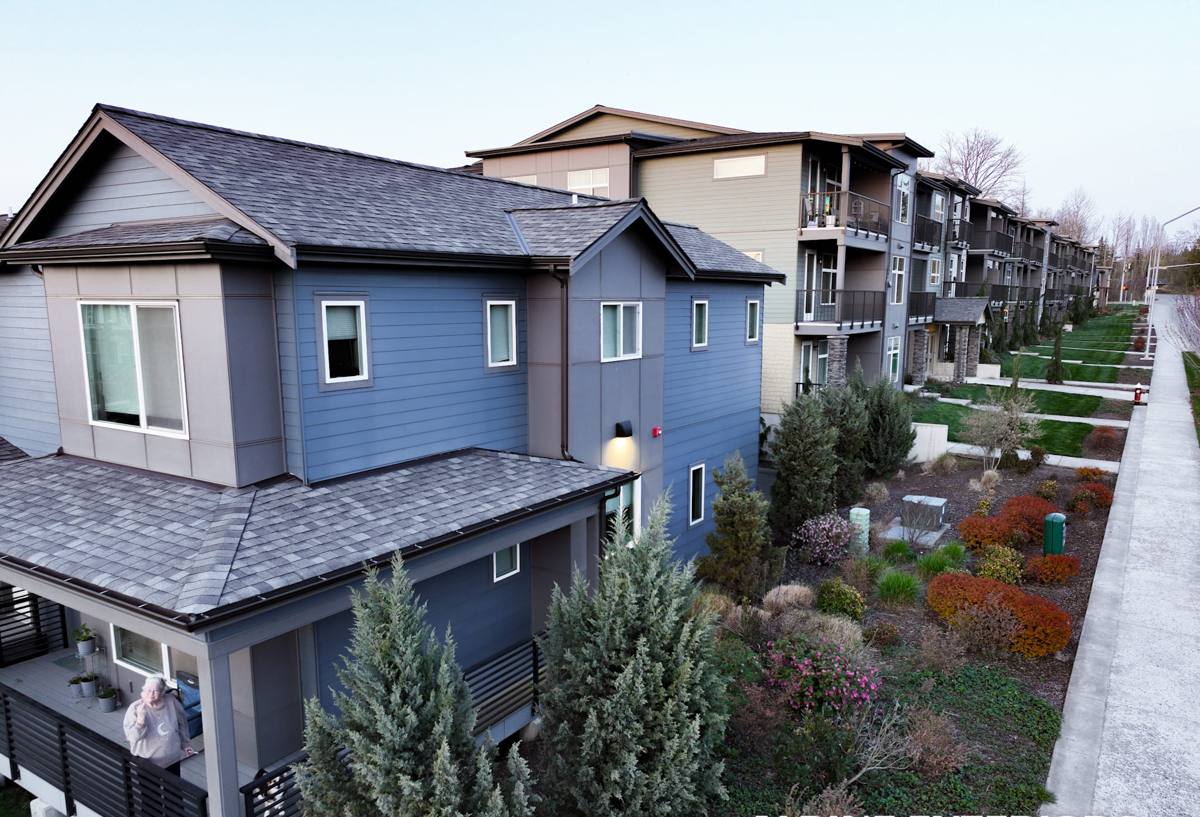
What Shore Acres' Climate Does to Siding Over Time
Every siding material eventually shows the effects of a coastal Florida climate. The question is how fast, and how gracefully it ages in the meantime. Homes in Shore Acres face a combination of stressors that compound each other rather than acting one at a time.
Salt Air and Corrosion
Airborne salt from Tampa Bay settles on exterior surfaces daily, not just during storms. It accelerates corrosion of metal fasteners and trim, and it can work into seams and joints in siding systems that aren't sealed and fastened correctly. Over years, this is one of the biggest reasons siding on the water side of St. Petersburg fails earlier than the same product would inland.
UV Exposure and Fading
Pinellas County gets strong, direct sun most of the year. UV breaks down pigments and surface coatings, which is why so many homes end up with faded, chalky, or blotchy siding on their sun-facing walls well before the material itself has worn out structurally. A factory-applied finish that's actually engineered to resist UV matters more here than in a milder climate.
Wind-Driven Rain and Moisture Intrusion
Rain in this area rarely falls straight down. Storms push rain sideways into walls, seams, and joints, and if the water-resistive barrier, flashing, or siding overlap behind the surface isn't installed correctly, moisture works its way in. Once moisture gets behind siding and can't dry out, it leads to rot in the substrate, mold, and soft or bulging panels — problems that don't show up until they're already serious.
Hurricane-Force Wind Loads
St. Petersburg sits in a wind zone where siding has to be rated and fastened to withstand real hurricane pressures, not just everyday breezes. Wind doesn't just push on siding — it also pulls, creating uplift and suction at corners and edges. Siding that's rated for the wrong zone, or fastened with the wrong pattern, can fail at exactly the wrong moment.
Warning Signs Shore Acres Homeowners Shouldn't Ignore
- Panels that look wavy, bowed, or slightly separated from the wall
- Soft or spongy spots when you press on siding near the bottom edge or around windows
- Visible fading or chalky residue that wipes off on your hand
- Cracking or splitting at seams, corners, or fastener points
- Peeling or bubbling paint, especially on walls facing the water or afternoon sun
- A musty smell inside near exterior walls, which can point to trapped moisture
- Rust streaks running down from fasteners or trim
Any one of these on its own might be minor. Several at once, especially on a home that hasn't had its siding replaced in a couple decades, usually means it's time for a real evaluation rather than another round of caulk and paint.
Why We Only Install James Hardie Fiber Cement Siding
We don't install vinyl, LP SmartSide, or other fiber cement alternatives, and it's worth explaining why rather than just stating it. Vinyl siding softens and can warp under sustained direct sun and high heat, and it isn't rated for the wind speeds this coastline can see when it's fastened loosely enough to expand and contract the way vinyl is designed to. Engineered wood products like LP SmartSide use wood strand cores that are more sensitive to sustained moisture exposure than fiber cement, which matters a great deal in a neighborhood where humidity and wind-driven rain are constants, not occasional events. Both can be installed well and perform reasonably in the right setting — but Shore Acres, sitting on the water, is not a forgiving setting, and we'd rather stand behind one product we trust completely than offer several we have reservations about.
Non-Combustible and Dimensionally Stable
James Hardie fiber cement doesn't burn, and it doesn't expand, contract, or warp with heat and humidity swings the way vinyl and some wood-based products do. In a climate that runs hot and humid most of the year, that stability keeps seams tight and panels flat for the long haul.
ColorPlus Factory Finish
Hardie's ColorPlus finish is baked on in a controlled factory process, not brushed on in the field. It's engineered specifically to resist UV fading and hold up against harsh weather, which is exactly what a sun-facing wall in St. Petersburg needs. It also comes with a longer finish warranty than field-applied paint can offer.
HZ5 Climate-Engineered Formulation
Hardie makes region-specific formulations, and the HZ5 line is engineered for hot, humid climates like Florida's — including better resistance to moisture and the freeze-thaw non-issue we don't have here, but more importantly, better long-term performance in sustained heat and humidity. That's a meaningfully different product than the generic siding sold in drier, milder climates.
What a Correct Siding Replacement Actually Involves
Siding replacement is not just removing old panels and nailing up new ones. In a coastal wind zone, the work that happens before and beneath the visible siding is what determines whether the job lasts fifteen years or fifty.
Tear-Off and Substrate Inspection
Every job should start with full removal of the old siding and a real inspection of the sheathing underneath. This is where hidden rot, soft wood, or prior water damage gets found — and it has to be repaired before anything new goes up, or the new siding is just covering the same problem.
Water-Resistive Barrier and Flashing
A correctly lapped weather-resistive barrier, along with proper flashing around every window, door, and penetration, is what actually keeps wind-driven rain out of the wall assembly. This layer does more to prevent long-term moisture damage than the siding material itself.
Fastening for Wind Zone Requirements
Fastener type, spacing, and pattern have to match both the manufacturer's specifications and the local wind zone requirements for St. Petersburg. Corners and edges — where uplift forces concentrate during high wind — need extra attention. This is one of the most common places where corners get cut on lower-quality installs, and it's invisible until a storm tests it.
Trim, Caulking, and Finish Details
Correct trim work and the right caulking at joints and transitions keep water from finding its way behind the siding at the edges. Sloppy trim work is a common cause of moisture problems even when the field of siding itself is installed well.
Our Process for Shore Acres Projects
- On-site evaluation — we walk the exterior, check the current siding and substrate condition, and note anything specific to the home's exposure (waterfront-facing walls, existing trim, window details).
- Product and color selection — we go over Hardie's plank profiles and ColorPlus color options so the finished look fits the home and the neighborhood.
- Written estimate — a clear, itemized scope so you know exactly what's included before any work starts.
- Permitting — siding replacement in St. Petersburg typically requires a permit, and we handle that process rather than leaving it to the homeowner.
- Tear-off and substrate repair — old siding comes off, damaged sheathing gets replaced, and the wall is inspected before anything new goes on.
- Barrier, flashing, and installation — installed to manufacturer spec and local wind requirements, not shortcuts.
- Final walkthrough — we go over the finished work with you before considering the job done.
Cost Factors for Shore Acres Siding Replacement
Every home is different, so we don't publish blanket prices, but these are the main factors that move the cost of a project up or down. Knowing them ahead of time makes for a more useful conversation when we're on-site.
| Factor | Why It Affects Cost |
|---|---|
| Substrate condition | Hidden rot or water damage found during tear-off adds repair work before new siding can go on |
| Home size and wall complexity | More square footage, corners, and architectural detail mean more labor and material |
| Siding profile chosen | Hardie plank, shingle-style, and board-and-batten profiles differ in material and installation time |
| Trim and detail work | Windows, doors, and architectural trim require more precise flashing and finishing |
| Access and site conditions | Waterfront lots, tight side yards, or landscaping can affect staging and labor time |
| Existing damage or code updates | Bringing older homes up to current wind and moisture code sometimes requires added work |
Why Local Experience in Shore Acres Matters
A crew that already works in this part of St. Petersburg understands things a generic installer might not: how to sequence a job around Florida's rainy-season afternoon storms, what wind zone requirements apply to Pinellas County permitting, and how salt air exposure on waterfront-facing walls should influence fastener choice and detailing. They've also usually already dealt with the local permitting process, which keeps the schedule from stalling on paperwork.
None of that shows up in a photo of finished siding, but it shows up ten years later in whether the job is still tight, dry, and holding its color — or whether it's already showing the same problems the old siding had.
What to Look for When Vetting a Contractor
- Proof of licensing and insurance specific to Florida exterior work
- Experience with James Hardie's installation specifications, not just general siding experience
- A written, itemized estimate rather than a vague verbal number
- Willingness to explain the wind-zone fastening plan for your specific home
- A process that includes handling permitting, not pushing that step back on you
Get a Straight Answer on Your Siding
If your Shore Acres home is showing fading, warping, soft spots, or you simply know the siding is original and getting old, it's worth having someone look at it before a small problem becomes a structural one. We'll walk the exterior with you, give you an honest read on the substrate and current siding condition, and lay out what a correct James Hardie replacement would involve for your specific home — no pressure, no inflated numbers. Fill out the form below to schedule a free estimate.