 St. Petersburg Window
 Shore Acres Sits Right at the Edge of Tampa Bay's Weather
Shore Acres is a bayfront neighborhood, and that waterfront position is exactly what makes siding decisions here different from a house a few miles inland. Homes along the canals and low-lying streets take salt-laden air off Tampa Bay every day, not just during a storm. Add in Florida's year-round UV exposure, wind-driven rain that gets pushed sideways during summer squalls, and the hurricane-force wind gusts Pinellas County sees during tropical systems, and you have a combination that will find every weak point in an exterior wall system over time.
None of this means a home in Shore Acres can't have great-looking, long-lasting siding. It means the material and the installation both have to be chosen for this specific environment, not for a generic weather profile. That's the lens we use on every siding conversation in this neighborhood.
What's Already on the Walls in Shore Acres
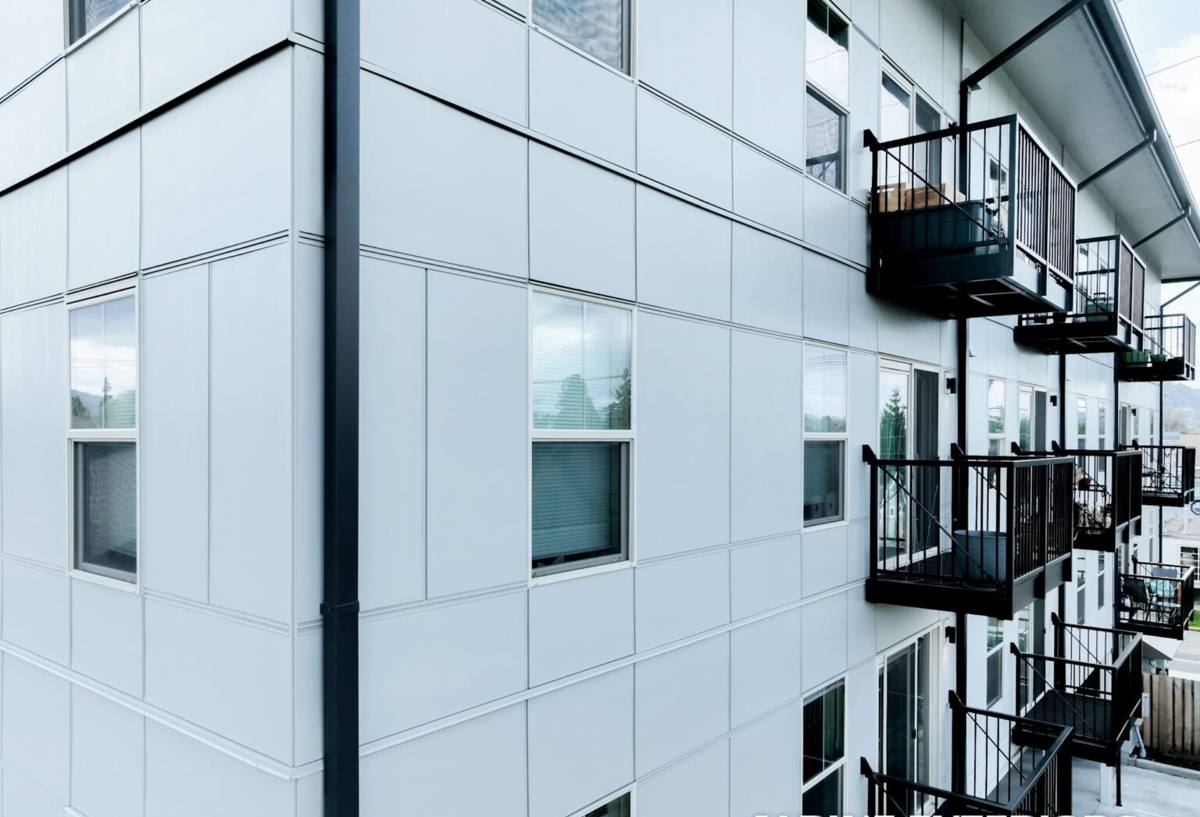
Like a lot of established St. Petersburg neighborhoods, Shore Acres has a mix of exterior materials depending on when a home was built or last re-sided: original wood siding and trim, stucco over wood framing, vinyl from a past remodel, and in some cases an engineered wood product installed years ago. Each of these ages differently in a coastal climate, and by the time a homeowner calls us, the siding is usually showing one or more of the classic salt-air and sun symptoms: chalky or faded paint, soft spots at the bottom courses, caulk that's cracked or pulled away from trim, or panels that have started to cup or bow.
We don't guess at what's underneath. Part of every estimate is looking at the actual condition of the wall behind the siding, not just the surface, because that's what determines whether a project is a straightforward re-side or needs some rot repair and moisture-barrier work first.
Why We Install Only James Hardie Fiber Cement
We made a standing decision as a company to install James Hardie siding and nothing else. Not vinyl, not LP SmartSide, not primed spruce or cedar, not other fiber cement brands. That's a deliberate call, not a sales preference, and it comes down to how each of those materials actually performs over years of sun, salt, and storms rather than how it looks on day one.
Built for Florida's Climate Zone
James Hardie engineers its HZ5 product line specifically for hot, humid, storm-exposed climates like ours. Fiber cement doesn't absorb moisture and swell the way wood-based products can, and it's non-combustible, which matters in a state where afternoon lightning is routine. For a bayfront neighborhood dealing with constant salt exposure and periodic direct storm impact, a material engineered for exactly that combination is the right starting point, not an upgrade.
A Factory Finish That Doesn't Rely on Field Paint
ColorPlus finish is baked on at the factory under controlled conditions, which gives it better fade and UV resistance than a coat of paint applied on site after installation. In a market with this much year-round sun, that difference shows up in how a house looks five and ten years out, not just on installation day.
What a Correct James Hardie Installation Actually Involves
The siding material is only part of the equation. Most of the failures we get called out to inspect on other companies' work trace back to installation shortcuts, not the product itself. A correct install in a wind-driven-rain, salt-air environment like Shore Acres has to get several things right at once.
Moisture Management Comes First
Before a single board goes up, the wall needs a properly lapped water-resistive barrier, correctly integrated flashing at every window, door, and penetration, and attention to how water will be directed away from the wall assembly if it ever gets behind the siding. Skipping or rushing this step is the single biggest reason siding fails early in coastal Florida, regardless of brand.
Fastening, Gapping, and Wind Performance
James Hardie publishes specific fastening patterns, nail types, and clearance requirements, and those specs change based on wind zone. Pinellas County's wind-load requirements aren't optional guidelines — they're what keeps siding on the wall during a tropical storm or hurricane. Panels also need the correct gap at butt joints and trim to allow for expansion and contraction without cracking the caulk joint.
Finish Details That Get Skipped
Caulking with a product rated for the joint, painting cut edges with the manufacturer-specified edge sealer, and keeping the bottom of the siding at the correct clearance from grade, roofing, and paved surfaces all matter more here than in a drier inland climate. Any one of these skipped on a bayfront home shortens the life of the whole system.
Comparing Siding Options for a Shore Acres Home
| Material | How It Handles Salt Air and Sun | Maintenance Over Time | Wind and Storm Performance |
|---|---|---|---|
| James Hardie fiber cement | Engineered for coastal/humid climates; factory finish resists fading | Periodic caulk and paint-line checks; no rot or insect risk | Installed to manufacturer wind-zone specs and rated accordingly |
| Vinyl | Can fade, warp, or become brittle under intense, sustained UV | Low upkeep but limited repair options once damaged | Lighter panels are more prone to wind uplift and impact damage |
| Engineered wood (e.g. LP-style) | Vulnerable to moisture intrusion at seams and cut edges | Field-applied paint needs more frequent attention in this climate | Performance depends heavily on moisture exposure over time |
| Traditional wood or stucco-over-wood | Absorbs moisture; salt air accelerates paint and substrate wear | Highest ongoing maintenance of the group | Wind performance varies widely by age and prior repairs |
Our Process for a Shore Acres Siding Project
Assessment and Measurement
We walk the exterior, check the condition of the substrate wherever we can access it, and measure for material. If we find soft wood, prior water intrusion, or damaged sheathing, we flag it up front so there are no surprises once the old siding comes off.
Product and Color Selection
We help you choose the right Hardie product line and profile for the home's style, along with a ColorPlus color. Because Shore Acres has a mix of architectural styles, this isn't a one-size answer — a lap profile that suits one home might not be right for another a block away.
Installation and Cleanup
Old siding comes off, the wall is inspected and repaired where needed, the water-resistive barrier and flashing go in correctly, and Hardie panels are installed to the fastening and clearance specs for our wind zone. We clean up as we go, not just at the end.
Final Walkthrough and Warranty Registration
We walk the finished exterior with you, and we make sure the manufacturer's warranty is properly registered under your name. A warranty that was never registered correctly isn't worth much if you ever need it.
What to Ask Before You Hire Anyone for This Job
Siding work is one of those projects where a bad install can look fine for a year or two before the real problems show up. A short list of questions up front can save a homeowner a lot of grief later:
- Are you licensed and insured to do exterior work in Pinellas County?
- Do you install more than one siding brand, and if so, how do you decide which one to recommend?
- Will you put the fastening pattern, flashing details, and clearances in writing as part of the scope?
- How do you handle wall inspection and repair if you find rot or moisture damage once the old siding is off?
- Who registers the manufacturer's warranty, and is that included in the price?
- Can you speak to how this specific product performs in a coastal, storm-exposed setting like Shore Acres?
Why Local Experience in This Neighborhood Matters
A crew that already works in Shore Acres and the surrounding St. Petersburg bayfront neighborhoods has already seen how salt air and storm exposure affect siding here specifically, not in a textbook climate zone. That means fewer surprises during tear-off, a better sense of which details need extra attention on a given home's orientation to the water, and familiarity with the wind-load and code requirements that apply in this part of Pinellas County. It also means we're not learning on your house.
Living With Hardie Siding After Installation
Correctly installed James Hardie siding is low-maintenance, not no-maintenance. Plan on an annual walk-around to check caulk joints, look for any spots where a paint line seems to be wearing thin, and keep an eye on the clearance between the bottom of the siding and grade, mulch, or hardscaping, since Florida landscaping has a way of creeping up over time. Beyond that, the factory finish and the material itself are built to hold up under exactly the conditions Shore Acres deals with year-round.
If you're weighing a siding replacement or repair on a Shore Acres home, we're glad to take a look and give you a straightforward, no-pressure estimate — just fill out the form below.