 St. Petersburg Window
 Gulfport Roofs Take a Different Kind of Beating
Gulfport sits right on Boca Ciega Bay, which means every roof in this community deals with weather most inland homes never see. Hurricane-force wind gusts, driving rain that comes in sideways, relentless year-round UV, and salt-laden air off the water all work on a roof at the same time, not one at a time. That combination is why storm damage here rarely looks like a single clean problem. A roof might have wind-lifted shingles on one slope, granule loss from UV breakdown on another, and corroded fasteners near the eaves from years of salt exposure — all before a named storm even makes landfall.
When a storm does hit, it's usually finishing off what the sun and salt air already started. That's the piece homeowners in Gulfport need to understand before any repair happens: fixing storm damage correctly means addressing what the storm exposed, not just what it broke.
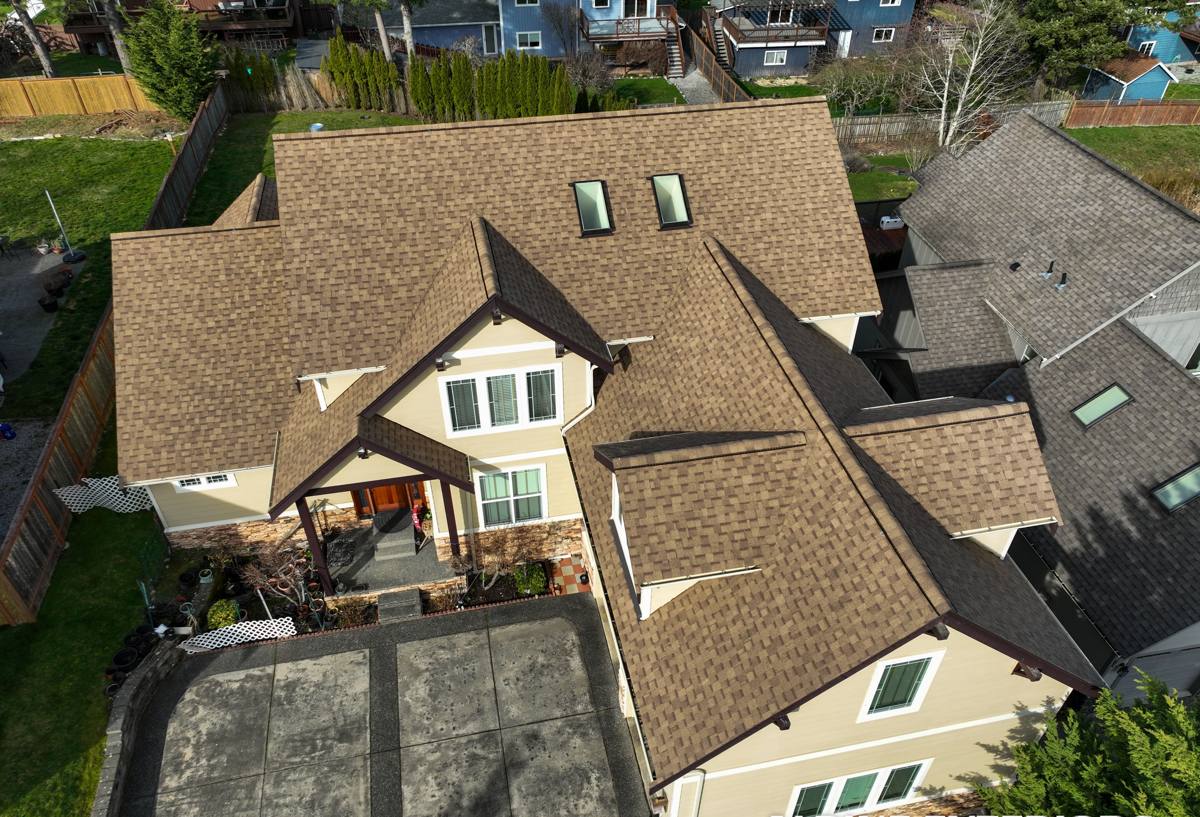
What Counts as Storm Damage — And What Doesn't Show Up Right Away
Some damage is obvious: missing shingles, a tarp-worthy hole, a soffit torn loose, debris punched through a section of roof. Other damage is not obvious at all, and it's the kind that causes the most trouble down the road.
Visible damage
- Missing, cracked, or curled shingles, especially on the roof's windward slopes
- Lifted or missing ridge caps
- Dented or creased metal panels and flashing
- Visible punctures from tree limbs or wind-borne debris
- Torn or missing gutters and fascia boards
Damage that hides
- Wind-driven rain forced up under shingles through lifted tabs, soaking the underlayment or decking without leaving a visible gap from the ground
- Loosened nails or fasteners that no longer hold shingles flat, which fail in the next storm rather than this one
- Compromised flashing around chimneys, skylights, and roof-to-wall transitions that leaks slowly over weeks
- Saturated insulation or decking that isn't apparent until a stain shows up on a ceiling
This is why we don't just look at what's obviously broken. A proper storm damage inspection checks the roof system as a whole — deck, underlayment, flashing, fasteners, and covering — because wind and water rarely limit themselves to one component.
What a Correct Storm Repair Actually Involves
Stopping active water intrusion first
If a roof is actively leaking or has an open puncture, the first job is to stop water from getting into the structure — temporary tarping or emergency dry-in, done properly so it doesn't cause its own damage (loose tarps in high wind can do more harm than the storm did). This buys time for a full repair to be scoped correctly instead of rushed.
A full diagnostic, not a patch-and-go
We check the decking underneath any damaged area for soft spots or rot, inspect the underlayment condition, and look at flashing and fastener patterns — not just the shingles or panels that are missing. In Pinellas County's climate, decking that's been wet for even a short time can start to delaminate, and that's not something a surface patch will fix.
Matching materials and installation method to what's already there
Repairs need to match the existing roofing material's type, profile, and wind rating as closely as possible. Mismatched shingles or improperly integrated flashing create weak points that fail again in the next storm, sometimes worse than the original damage.
Proper fastening and flashing for wind resistance
A repair that looks right but is nailed with the wrong pattern or spacing won't hold up to the next round of gusts. We follow manufacturer specifications and Florida Building Code wind-resistance requirements for the repair area, not just enough to pass a glance.
Documentation for insurance
Photos of the damage before and during repair, a written scope of work, and material specifications all matter if a claim is involved. We provide this as a standard part of the job, not an upsell.
How Our Process Works
1. Inspection and honest assessment
We walk the roof (or use appropriate access for steep or fragile sections) and document exactly what we find — damage caused by the storm, and any pre-existing wear that's worth mentioning even if it's not the reason for the visit. You get a clear explanation, not a sales pitch.
2. Written scope and estimate
You'll see what needs to be repaired, what materials will be used, and a straightforward cost range before any work starts. If a repair isn't the right call — more on that below — we'll tell you that too.
3. Temporary protection if needed
If water intrusion is active, we address that first, separate from the permanent repair timeline, so your home isn't exposed while materials are sourced or a claim is processed.
4. The repair itself
Deck repair or replacement where needed, correct underlayment and flashing detail, and matched roofing material installed to code-compliant fastening standards.
5. Final walk-through
We go over the completed work with you, confirm the area is sealed and weathertight, and leave you with documentation for your records or insurer.
Repair or Replacement? How We Make the Call
Not every storm-damaged roof needs to be replaced, and not every roof can be safely patched. The right call depends on a few factors working together, not any single one.
| Factor | Leans toward repair | Leans toward replacement |
|---|---|---|
| Extent of damage | Isolated to one section or slope | Spread across multiple slopes or a large percentage of the roof |
| Roof age | Well within its expected service life | Already near or past the end of its typical lifespan |
| Decking condition | Dry, solid decking beneath the damaged area | Soft, delaminated, or rotted decking found during inspection |
| Material availability | Matching shingle or panel still available | Discontinued material that can't be reasonably matched |
| Storm history | First significant damage in a long time | Repeated storm damage claims over recent years |
We'll always give you the honest read on where your roof falls in this table, including when a repair is the right and reasonable choice — we're not looking to sell a full replacement when a solid repair will hold up.
Insurance Claims and Storm Repairs
Filing a claim after storm damage is its own process, separate from the physical repair, and it helps to understand the difference. Your insurer will typically want documentation of the damage, a scope of repair, and in some cases a separate adjuster inspection. We're glad to meet an adjuster on site and speak to what we found, but we work for you, not the insurance company — our documentation reflects what the roof actually needs, not what's easiest to approve.
One thing worth knowing: cosmetic wear from age or sun exposure is generally not covered as storm damage, even if it's discovered during a storm-related inspection. We'll be clear with you about which findings are storm-related and which are pre-existing, since that distinction affects your claim.
Why Working With a Crew That Already Knows Gulfport Matters
Gulfport is a mix of older bungalow-style homes and newer construction, many of them close to the water, with roof lines, pitches, and access that aren't always straightforward. A crew that regularly works in this part of Pinellas County already understands the wind-zone requirements that apply here, how salt air accelerates fastener and flashing corrosion compared to inland Tampa Bay-area homes, and the permitting expectations for storm repairs in St. Petersburg. That familiarity shows up in small ways — correctly identifying an older home's roofing assembly, knowing which flashing details tend to fail first on waterfront-adjacent properties, and being realistic about timelines during active storm season.
It also means we're not learning the area on your roof. Local experience translates directly into fewer surprises during the job and a repair that's built for the conditions your home will keep facing, not just the storm that just passed.
What To Do If Your Gulfport Roof Is Storm Damaged
- Photograph visible damage from the ground before anything is moved, tarped, or cleaned up
- Avoid walking on or near a damaged roof — storm-loosened sections can be unstable
- Address active leaks with towels or buckets inside, but don't attempt roof-level repairs yourself
- Check attic or ceiling areas for water staining, even if the roof looks fine from outside
- Call for an inspection promptly — delayed repairs give wind-driven rain more chances to reach the decking
- Keep any receipts or notes related to the damage for insurance purposes
- Get a written scope of work before agreeing to repairs, especially from anyone going door-to-door after a storm
Let's Take a Look Before You Decide Anything
If your Gulfport home has storm damage, or you're just not sure whether what you're seeing needs attention, we're happy to come take an honest look. We'll walk you through exactly what we find, what it will take to fix it correctly, and what it will cost — no pressure, no upsell. Use the form below to request a free estimate and we'll get back to you promptly.