 St. Petersburg Window
 Energy-Efficient Windows for Euclid-St. Paul Homes
Euclid-St. Paul sits in one of St. Petersburg's older, established pockets, which means a lot of the housing stock still carries its original single-pane or early-generation aluminum windows. Those windows were fine for their era, but they were never built for the electric bills, UV load, and storm exposure that Pinellas County homeowners deal with today. If you've noticed rooms that never quite cool down, glass that's hot to the touch by mid-afternoon, or an AC unit that runs constantly in July and August, the windows are usually a big part of that story.
This page covers what energy-efficient window replacement actually looks like for homes in this specific neighborhood — not a generic pitch, but the real factors that change the job when you're this close to Tampa Bay and a short drive from the Gulf.
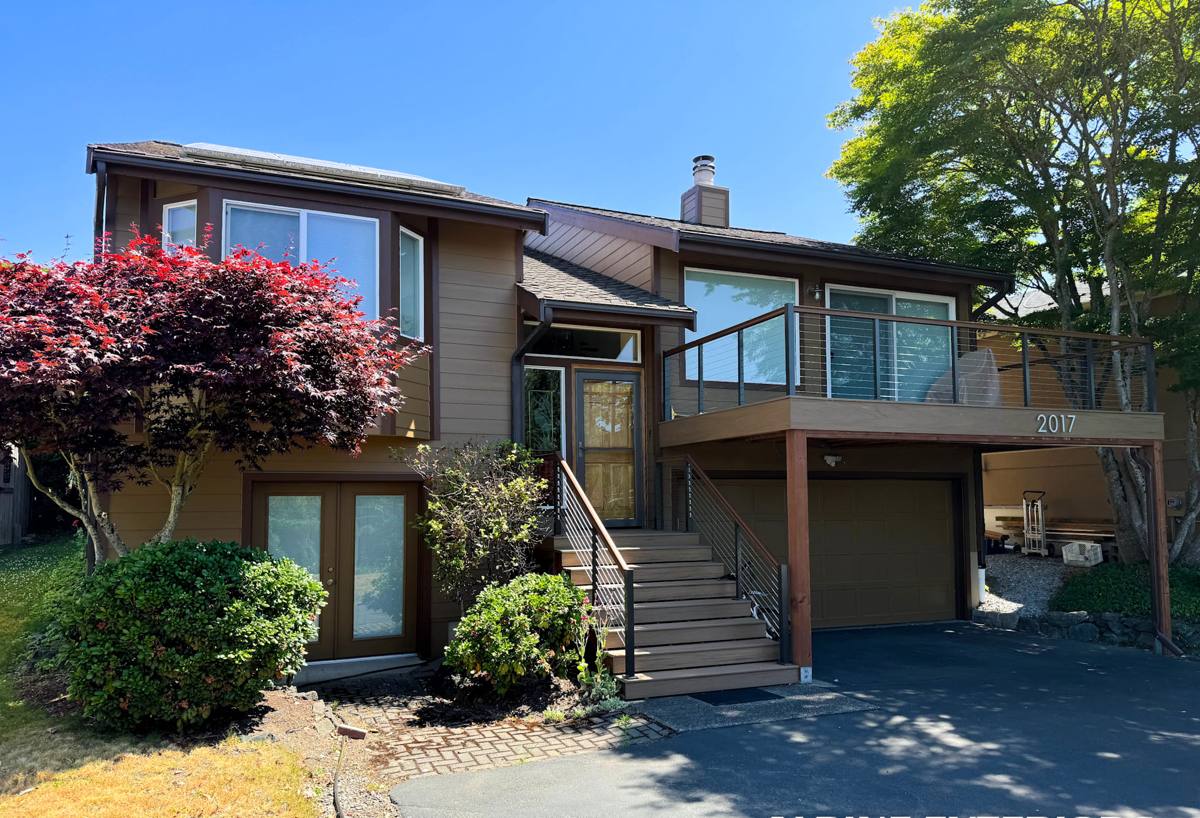
Why Euclid-St. Paul's Climate Changes the Window Spec
St. Petersburg's climate isn't just "hot." It's a combination of stressors that each attack a window in a different way, and a correct installation has to answer all of them at once:
- Intense, year-round UV — breaks down cheap seals, yellows vinyl, and fades interior floors and furniture faster than in most of the country.
- Salt-laden air — even set back from the water, Pinellas County's humidity carries enough salt to accelerate corrosion on untreated hardware, screws, and lesser-grade aluminum components.
- Wind-driven rain — Florida storms rarely fall straight down; they come sideways, which means a window's water management (not just its seal) has to actually work under pressure, not just when it's calm.
- Hurricane-force wind loads — Pinellas County enforces Florida Building Code wind provisions, and homes in this area need windows rated and installed to hold up under real storm pressure, not just "impact glass" in name only.
- Daily thermal cycling — glass and frames heat up and cool down hard every single day, which fatigues cheap seals and sealants over a handful of years instead of over a decade.
None of these show up on a spec sheet in isolation. A window that's efficient in a mild climate can still underperform here if it wasn't designed and installed with these specific pressures in mind.
What "Energy-Efficient" Actually Means in This Climate
In St. Petersburg, energy efficiency is mostly about keeping heat and UV out, not keeping heat in — that's a different job than what most window marketing is written for (a lot of it is written for northern climates where the priority is retaining heat). The metrics that matter most locally are:
- Low-E coating with a low Solar Heat Gain Coefficient (SHGC) — this is the single biggest factor in how much heat a window lets through on a west- or south-facing wall.
- U-Factor — still matters, but secondary here compared to colder climates.
- Air infiltration rating — a tighter seal means your AC isn't fighting a constant trickle of hot, humid outside air.
- Impact rating (where applicable) — laminated glass that resists wind-borne debris also happens to block a meaningful amount of additional UV and noise.
How Windows Fail in This Neighborhood — What We Actually See
Older single-pane and early dual-pane windows in this part of St. Petersburg tend to show a consistent set of problems by the time a homeowner calls us:
| Symptom | What's Usually Happening |
|---|---|
| Foggy or cloudy glass between panes | Seal failure has let humidity into the gas space — the insulating value is gone even though the glass looks intact |
| Window frame feels hot to the touch | Aluminum frames with no thermal break are conducting outside heat straight into the room |
| Sticking or hard-to-open sashes | Corrosion on hardware or slight frame warping from years of thermal cycling and salt exposure |
| Faded furniture, floors, or curtains | Old glass has little to no UV-blocking coating |
| Drafts or a whistling sound in storms | Failed weatherstripping or a frame that was never properly sealed to the rough opening |
| Visible rust streaks near hardware | Salt-air corrosion on fasteners or non-marine-grade components |
Any one of these is a sign the glass and frame have stopped doing their job — and in most cases, once the seal has failed, there's no repair that restores the original performance. Replacement is the honest answer.
What a Correct Installation Involves
The window unit itself only accounts for part of the performance. We've seen plenty of good windows fail early because of how they went in, not because of the product. A correct job in this climate includes:
1. Proper Rough Opening Prep
Old openings in established neighborhoods are rarely perfectly square after decades of settling. We check level, plumb, and square before anything goes in, and correct framing issues rather than forcing a window to fit.
2. Flashing and Water Management
Given how often rain comes in sideways here, the flashing detail around the opening matters as much as the window itself. We integrate flashing tape and sill pans so that any water that gets past the exterior trim has a path back out — not into the wall cavity.
3. Correct Fastening for Wind Load
Impact and non-impact windows both have manufacturer-specified fastening schedules tied to Florida Building Code wind zones. Skipping fasteners or spacing them wrong is one of the most common corner-cuts we see from rushed installs, and it's the difference between a window that holds up in a storm and one that doesn't.
4. Low-Expansion Foam and Sealant, Not Just Caulk
A bead of caulk around the trim isn't an air seal. We use appropriate low-expansion foam in the gap between frame and rough opening, plus proper exterior sealant rated for sun and salt exposure, so the insulating performance you paid for actually holds at the perimeter.
5. Corrosion-Resistant Hardware
Locks, hinges, and fasteners need to be rated for coastal exposure. Standard hardware corrodes faster this close to the Gulf, so we spec components built to hold up to salt air rather than the cheapest option available.
Our Process for Euclid-St. Paul Homeowners
- Free on-site assessment — we look at every window opening, note frame condition, check for water intrusion history, and measure for accurate sizing.
- Product recommendation based on exposure — a west-facing wall that bakes all afternoon gets a different SHGC recommendation than a shaded north side.
- Written estimate with real numbers — no vague ranges; you see what you're paying for by window.
- Scheduling around Florida weather — we plan installs to avoid getting caught mid-job by an afternoon storm, and we protect the opening at every stage so your home is never left exposed overnight.
- Installation with code-compliant fastening and flashing — done to Pinellas County permitting and inspection requirements, not shortcuts.
- Final walkthrough — every window opens, closes, locks, and seals correctly before we consider the job done.
Why Hiring a Crew That Already Works This Neighborhood Matters
Euclid-St. Paul has a mix of home ages and construction styles, and a crew that's already worked this specific part of St. Petersburg has seen the common opening sizes, framing quirks, and older construction details that show up here repeatedly. That familiarity means fewer surprises mid-install, more accurate estimates up front, and a faster job overall. It also means we already know the Pinellas County permitting and inspection process for this type of work, so there's no learning curve slowing your project down.
A crew unfamiliar with coastal Florida construction can install a perfectly good window incorrectly — wrong fastening schedule, missed flashing detail, hardware that isn't rated for salt exposure — and you won't see the consequences until the first bad storm season or a few years of corrosion in. Local experience isn't a marketing point here; it directly affects whether the installation holds up.
Cost Factors to Expect
Every home is different, but the main variables that move the price on a window replacement project in this area are:
| Factor | How It Affects Cost |
|---|---|
| Impact-rated vs. standard glass | Impact glass costs more upfront but often reduces or eliminates the need for separate shutters/coverings |
| Frame material (vinyl vs. aluminum vs. composite) | Affects both price and long-term maintenance in salt air |
| Number and size of openings | Larger openings and full-house replacements have better per-unit pricing than one-off replacements |
| Condition of existing rough openings | Rot, out-of-square framing, or prior water damage adds labor to correct before install |
| Access and second-story work | Upper-floor windows typically require more labor and equipment |
| Trim and finish work | Matching existing interior/exterior trim profiles can add to the scope |
We won't quote a per-window price without seeing the actual openings — anyone who does is guessing, and in an older neighborhood like this, guessing usually gets corrected upward once the crew shows up.
A Practical Checklist Before You Call Anyone
- Note which rooms feel hottest in the afternoon and which windows face west or south
- Check for cloudy or foggy glass, which signals seal failure
- Look for rust streaks or corrosion around hardware and frames
- Test whether windows open, close, and lock smoothly
- Note any drafts you can feel by hand near the frame edges
- Have your most recent summer electric bill handy for comparison after the work is done
- Ask any contractor for their Florida Building Code wind zone rating and permit process, not just a product brochure
Maintenance After Installation
New windows in this climate still need some upkeep to hit their full lifespan. Rinse frames and tracks periodically to clear salt residue, especially after storms. Check weep holes (the small drainage openings in the frame) aren't blocked by debris or paint. Inspect exterior sealant yearly for cracking, since UV exposure here is more aggressive than in most parts of the country. None of this is heavy work, but skipping it shortens the life of even a well-installed window.
Get a Free, No-Pressure Estimate
If your Euclid-St. Paul home has windows that are original, foggy, drafty, or just not keeping up with the Florida sun anymore, we're happy to take a look and give you a straight answer — no pressure, no inflated scare tactics. Fill out the form below and we'll schedule a free on-site assessment.