 St. Petersburg Window
 Asphalt Shingle Roofing Built for Old Southeast, Not for a Catalog Photo
Old Southeast is one of St. Petersburg's older, tree-canopied neighborhoods, and that character comes with a roofing reality: many of the homes here are original-era construction with additions, re-roofs, and repairs layered on over the decades. When we quote asphalt shingle work in this neighborhood, we're not just pricing shingles — we're accounting for whatever decking, ventilation, and flashing history is already on that roof, and what Pinellas County's climate has done to it since the last time someone touched it.
Asphalt shingles remain the most practical roofing material for most homes in this area when they're installed correctly and matched to the wind and moisture conditions we actually get here. The failures we get called out for are almost never "the shingle failed" — they're installation shortcuts that show up five, ten, or fifteen years later as leaks, lifted tabs, or granule loss that shows up right as a hurricane season starts.
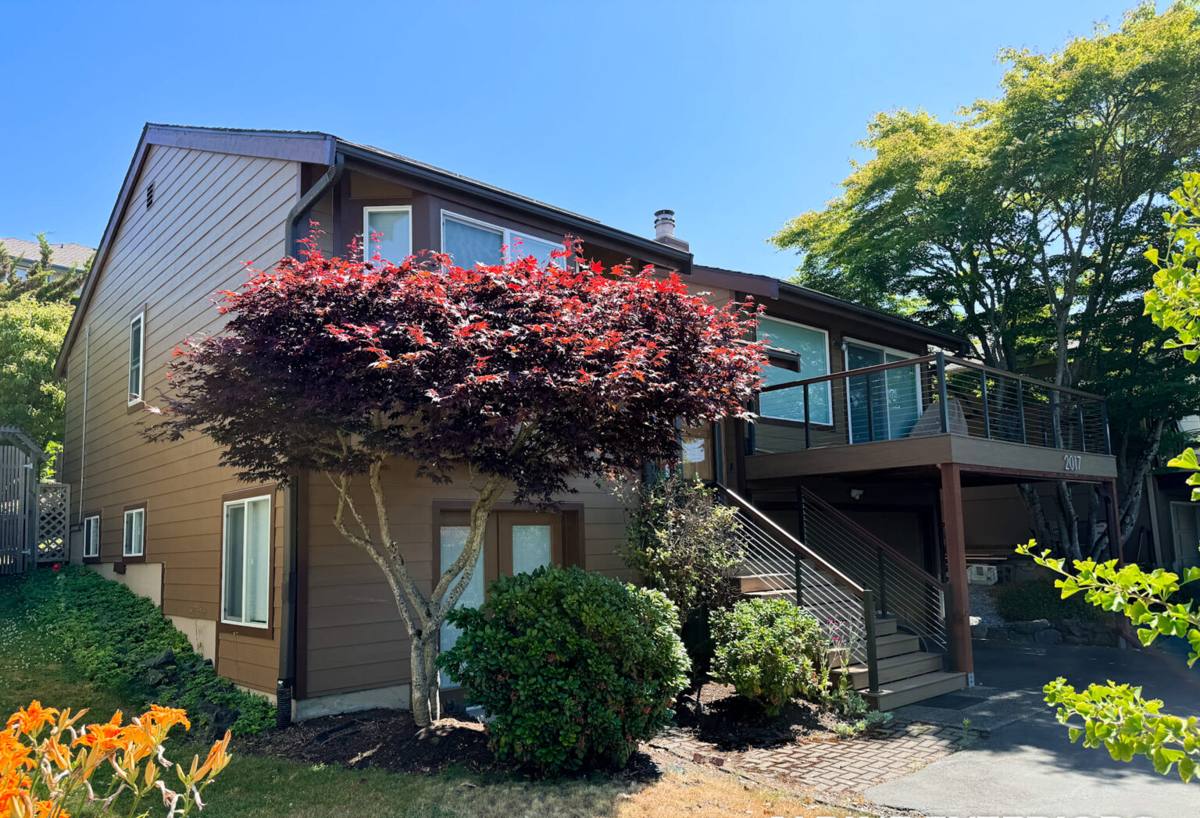
What St. Petersburg's Climate Actually Does to a Shingle Roof
Wind
Old Southeast sits close enough to Tampa Bay that every named storm and every strong seasonal squall line puts real uplift load on a roof edge. Shingles don't fail from wind pressure on the field of the roof nearly as often as they fail at the perimeter — the first few courses at the eaves, rakes, and hips are where wind gets underneath a poorly sealed or improperly nailed shingle and starts peeling the roof back like a zipper.
UV and heat
Year-round Florida sun bakes asphalt shingles from above while attic heat bakes them from below. That double exposure accelerates the loss of the granules that protect the asphalt mat from UV breakdown. A shingle rated for a 25- or 30-year service life in a cooler climate will often show granule loss and brittleness well ahead of that timeline here if the attic isn't ventilated properly.
Wind-driven rain
It's rarely straight-down rain that causes leaks in this area — it's rain pushed sideways and upward under shingle edges, around penetrations, and into valleys during a squall. That's a flashing and underlayment problem as much as a shingle problem, and it's why we spend as much time on the details around the shingles as on the shingles themselves.
Salt air
Being close to the bay means airborne salt reaches roofs here even without direct waterfront exposure. Salt accelerates corrosion on exposed metal — nail heads, flashing, drip edge, and vent stacks — long before it does anything to the shingle itself. A roof that looks fine from the ground can have compromised metal components that are the actual source of a leak.
What a Correct Asphalt Shingle Job Includes
A shingle roof is a system. Skipping any one layer to save a day of labor is how roofs that "should have lasted 25 years" leak in year six.
- Deck inspection and repair — any soft, delaminated, or water-stained decking gets replaced before a single shingle goes down, not covered over.
- Underlayment matched to exposure — synthetic underlayment as the primary water barrier, with self-adhered membrane at valleys, eaves, and other vulnerable transitions.
- Starter strip at every edge — proper starter shingles at eaves and rakes, not cut-down field shingles, so the first course has real adhesive sealant contact against wind lift.
- Nailing pattern to spec — correct nail count and placement for the wind-rated shingle being installed, not the minimum that happens to hold the shingle in place on install day.
- Flashing at every penetration and transition — step flashing at walls, proper valley metal or woven treatment, and new pipe boots and vent flashing rather than reusing old, sun-cracked ones.
- Balanced attic ventilation — intake at the soffits and exhaust at the ridge or roof vents, sized to the attic volume, so heat and moisture aren't trapped against the underside of the deck.
- Drip edge on all edges — continuous, corrosion-resistant drip edge at eaves and rakes to direct water off the roof instead of into the fascia.
Choosing the Right Shingle for This Neighborhood
Not every shingle sold as "architectural" or "hurricane-rated" performs the same in practice. We look at wind rating, sealant strip design, and warranty structure together, because they interact.
| Factor | What to Look For | Why It Matters Here |
|---|---|---|
| Wind rating | Rated for at least 110-130 mph when properly installed | Matches realistic gust exposure for this part of Pinellas County |
| Sealant strip | Wide, factory-applied adhesive strip | The bond between courses is what actually resists wind lift, not just the nails |
| Granule quality | Ceramic-coated granules from a reputable manufacturer | Directly affects how well the shingle resists UV breakdown over time |
| Algae resistance | Copper-infused or algae-resistant granule treatment | Humid, tree-shaded lots like many in Old Southeast are prone to streaking |
| Warranty structure | Understand what's prorated vs. non-prorated, and labor coverage terms | A long warranty on paper isn't worth much if it's prorated to almost nothing after year 10 |
We're straightforward with homeowners about trade-offs rather than steering everyone to the most expensive tier. A well-installed mid-tier architectural shingle from a reputable manufacturer will outperform a premium shingle installed with shortcuts, every time.
How We Approach a Job in Old Southeast
1. Roof and attic assessment
We inspect the existing roof from the ground and, when accessible, walk it, and we check the attic for ventilation, decking condition, and signs of past leaks. This tells us whether it's a straightforward tear-off and re-roof or whether there's decking repair or ventilation correction needed first.
2. Written scope, not a verbal estimate
You get a written scope covering tear-off, decking repair allowance, underlayment type, flashing plan, shingle product, ventilation approach, and cleanup — so there's no ambiguity about what's included.
3. Permitting and code compliance
Re-roofs in St. Petersburg require permitting, and Pinellas County's wind-borne debris and code requirements affect nailing patterns and underlayment specs. We handle that paperwork as part of the job rather than treating it as an afterthought.
4. Tear-off and install
Full tear-off to the deck on re-roofs (not layering over old shingles), deck repair as needed, then the underlayment, flashing, and shingle system installed to the manufacturer's and code's nailing and exposure specs.
5. Final walkthrough and cleanup
Magnetic sweep for nails, debris haul-off, and a walkthrough where we point out ridge, valley, and vent details so you know what was done and why.
Why Local Experience in This Neighborhood Matters
A crew that regularly works Old Southeast and the surrounding St. Petersburg neighborhoods has already dealt with the roof-age patterns, tree canopy debris and moisture issues, and permitting process specific to this part of Pinellas County. That's different from a crew driving in from outside the area for a single job. Local familiarity means we recognize common issues in this vintage of home faster, we know what the local permitting office expects, and we're positioned to respond quickly if a storm causes damage — not weeks later once the schedule opens up.
Maintenance That Actually Extends Roof Life Here
- Keep gutters and valleys clear of leaf and pine debris — clogged valleys hold water against the shingle edge longer than they should.
- Trim overhanging branches back from the roofline to reduce abrasion and reduce debris buildup in valleys.
- Have the roof looked at after any major wind event, even if there's no visible leak — lifted tabs and compromised sealant strips aren't always visible from the ground.
- Check attic ventilation seasonally; blocked soffit vents (often from insulation or paint) quietly shorten shingle life from the underside.
- Address small flashing or pipe boot issues immediately — these are inexpensive fixes that prevent expensive decking repairs later.
What to Ask Before You Hire Anyone for This Job
- Will you do a full tear-off to the deck, or are you proposing a layover?
- What underlayment and flashing details are included, not just what shingle brand?
- Will you pull the required permit, or is that left to me?
- What's your plan for attic ventilation, and will you assess it before quoting?
- Is the warranty prorated, and does it include labor or materials only?
- Do you carry current liability insurance and workers' comp coverage?
Getting an Honest Number for Your Roof
Roof pricing depends on square footage, pitch, decking condition, ventilation work needed, and the shingle tier chosen — there's no honest flat number without actually looking at the roof. What we can tell you upfront is that we price the full system, not just the shingle, and we'll show you where the cost is going before any work starts.
If your roof in Old Southeast is showing granule loss, lifted or missing shingles, or you just want an honest read on what's left in its service life, we're happy to take a look. Reach out for a free, no-pressure estimate using the form below.