 St. Petersburg Window
 Why Gulfport Siding Takes a Different Kind of Beating
Gulfport sits close enough to Boca Ciega Bay and the Gulf that its homes deal with a combination of stresses most inland Pinellas County neighborhoods don't see nearly as hard. Salt-laden air moves through the area daily, hurricane-season wind events push horizontal, wind-driven rain into every seam and lap, and the sun is intense and constant almost year-round. None of these factors is unusual on its own for a St. Petersburg home, but together, and applied continuously, they accelerate whatever weaknesses already exist in a home's siding system.
That's the context that matters when you're deciding whether a section of siding needs a patch, a board swap, or a harder look at the whole wall. A crack or soft spot that would sit quietly for years in a drier, calmer climate can turn into a moisture pathway in Gulfport within a single wet season if it's not addressed correctly.
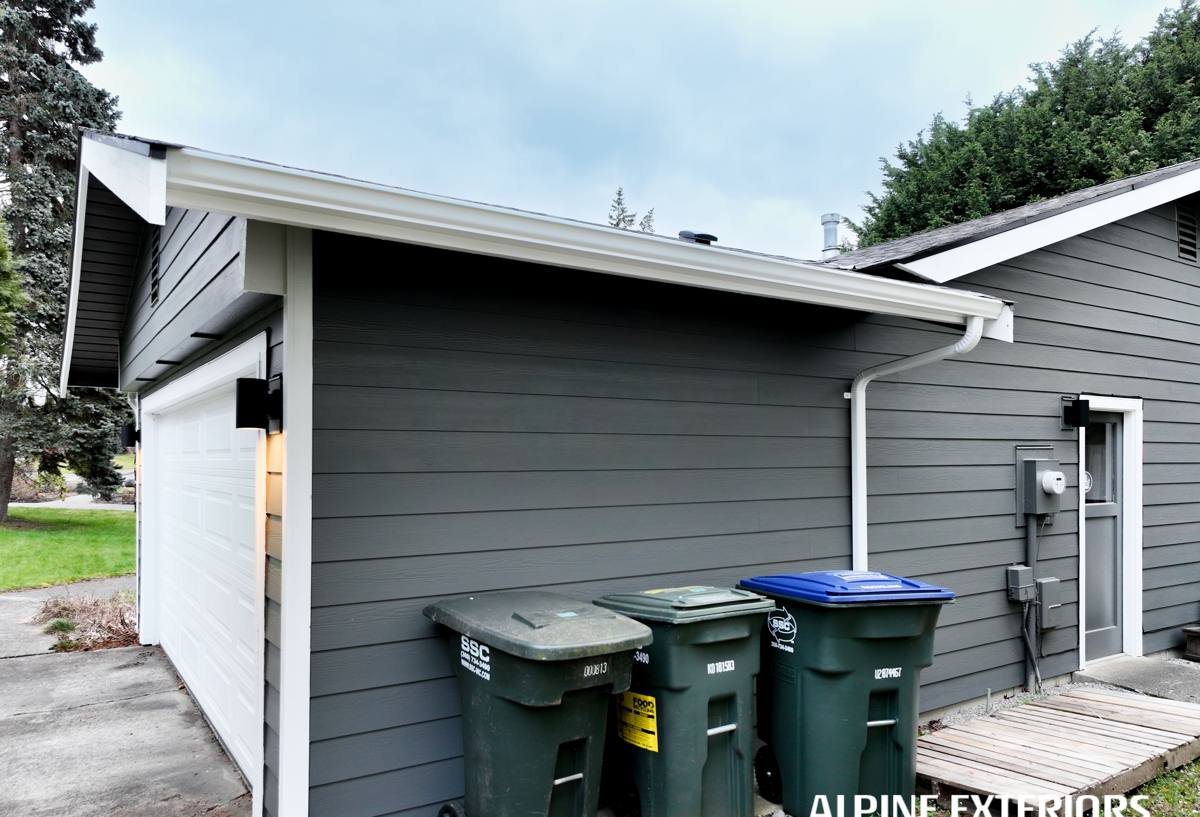
What Actually Damages Siding in This Neighborhood
Wind-Driven Rain
Rain that comes in sideways during a squall or tropical system doesn't behave like rain falling straight down. It gets forced up under laps, into fastener holes, and behind trim that isn't properly flashed. Once water gets behind the siding plane, it can sit against sheathing and framing long after the storm passes, especially in Florida's humidity, where things don't dry out quickly.
UV Exposure
Florida sun is harder on exterior materials than most homeowners realize. Constant UV breaks down caulk, dries out and cracks wood and composite products, and fades paint finishes faster than manufacturers' warranties often assume. A siding product or paint job rated for a "normal" climate frequently underperforms its expected lifespan here.
Salt Air
Even a few miles from open water, airborne salt settles on exterior surfaces and accelerates corrosion of fasteners, trim, and any exposed metal components. It also interacts with certain siding materials and finishes in ways that speed up surface degradation, particularly on the side of the house that faces prevailing onshore winds.
Wind Load and Storm Impact
Beyond named storms, Gulfport gets regular high-wind events that can loosen fastening, crack brittle materials, or drive debris into a wall. Repeated wind-loading over years, not just a single storm, is often what finally shows up as a warped board, a popped nail, or a section that's pulled away from the wall.
Signs Your Gulfport Home Needs Siding Repair
- Soft, spongy, or crumbling spots when pressed, especially near the bottom of walls or under windows
- Visible cracking, splitting, or warping in individual boards or panels
- Boards pulling away from the wall or gaps opening at seams and corners
- Peeling or bubbling paint that keeps returning after repainting
- Dark staining, streaking, or a musty smell near exterior walls, which often points to trapped moisture
- Rust bleeding from fastener heads or trim
- Visible daylight or drafts at penetrations like outlets, vents, or hose bibs
- Interior signs — soft drywall, bubbled paint, or a musty smell on a wall that backs up to damaged exterior siding
Any one of these on its own might be minor. Several together, or any sign near a roofline, window, or ground-level transition, usually means water has already found a way in and the damage is more than cosmetic.
What a Correct Siding Repair Actually Involves
A repair that just covers the visible damage without checking what's underneath is a short-term fix that tends to fail again, often faster the second time. Done right, a siding repair in a climate like this includes a few steps that are easy to skip if a crew is moving fast:
- Remove the damaged section fully — not just the visibly cracked or stained board, but enough surrounding material to expose what's behind it.
- Inspect the water-resistive barrier and sheathing. If moisture has been getting in for a while, the underlying barrier or sheathing may already be compromised and needs to be addressed before new siding goes back on.
- Correct the flashing and drainage detailing at the repair area — around windows, at horizontal transitions, at penetrations — so the same failure doesn't repeat.
- Match the replacement material and finish to what's already on the wall as closely as possible, both for appearance and so the new section performs the same way the rest of the wall does.
- Reseal and refasten to spec, using fasteners and sealants suited to a coastal, high-UV environment rather than whatever is fastest to grab.
Skipping step two is the most common shortcut, and it's the one that causes repeat calls. A patched board over wet sheathing looks fine for a while and then fails again, usually worse than the first time.
Repair vs. Replace: How We Help You Decide
| Situation | Repair Usually Makes Sense | Replacement Usually Makes Sense |
|---|---|---|
| Damage extent | Isolated to one or a few boards/sections | Spread across multiple walls or elevations |
| Underlying sheathing | Sound and dry once opened up | Soft, rotted, or showing long-term moisture damage |
| Age of existing siding | Well within its expected service life | Near or past the end of its realistic lifespan |
| Material match | Product still available or a close match exists | Discontinued or mismatched color/profile |
| Repair frequency | First repair in this area | Same section has already needed repair before |
We'll always tell you honestly which side of that table your home falls on. If a targeted repair will hold up, that's what we recommend — there's no reason to sell a full replacement when a proper repair does the job.
Why Repair Materials Matter as Much as the Repair Itself
What you patch a wall with matters at least as much as how carefully you patch it, particularly in a coastal-adjacent climate. This is a big part of why we standardized on James Hardie fiber cement siding for the work we do: it's non-combustible, engineered for high-humidity and coastal conditions in its HZ5 product line, and holds its ColorPlus factory finish far longer under intense UV than field-painted materials typically do. When we repair an existing Hardie installation, the replacement boards come from the same engineered product line, so the repaired section performs the same as the rest of the wall — not a mismatched patch that ages differently and fails on its own timeline.
We don't install vinyl, LP SmartSide, Cemplank, Allura, or primed wood/cedar siding, and if your existing siding is one of those products, we'll still tell you honestly what a proper repair on it should involve and what to watch for. But if you're facing repeated repairs on a material that keeps struggling with Gulfport's climate, that's usually the point where it's worth talking about a longer-term fix rather than another patch.
Our Process for Gulfport Siding Repair
- On-site inspection. We look at the damaged area and check adjacent sections, corners, and penetrations for related issues before quoting anything.
- Honest scope discussion. We explain what we found, whether it's a straightforward repair or something more extensive, and why.
- Written estimate covering material, labor, and any sheathing or barrier work if it's needed — no surprise change orders for problems we should have caught up front.
- Repair work done to the standard described above: full removal of damaged material, inspection of what's underneath, correct flashing and drainage detailing, matched materials, and proper fastening and sealing.
- Final walkthrough so you can see the completed repair and ask questions before we consider the job done.
Questions to Ask Before Hiring Anyone for Siding Repair Here
- Will you open up the damaged area to check the sheathing, or just patch what's visible?
- What happens if you find rot or moisture damage once the siding is removed?
- Is the replacement material rated for coastal/high-humidity conditions, or a standard-grade product?
- How will the repaired section be flashed and sealed to prevent the same failure?
- Do you have experience specifically with homes in Gulfport and the surrounding barrier-adjacent parts of St. Petersburg?
Why Local Experience in Gulfport Specifically Matters
A crew that regularly works this part of Pinellas County has already seen how wind, salt air, and UV interact with the specific mix of home ages and siding types common here. That matters when you're diagnosing damage — knowing, for example, that a certain elevation facing prevailing wind tends to take more punishment, or that ground-level moisture wicking is a more common issue on homes with certain foundation setups near the water. It also matters for permitting and code awareness specific to Pinellas County and the coastal construction considerations that apply this close to the Gulf.
We're not guessing at what Gulfport's climate does to siding — we see it on a regular basis, and we build our repair process around what actually holds up here, not a generic national approach that assumes a milder, drier climate.
Maintaining Your Siding Between Repairs
Whether your siding was just repaired or is holding up fine for now, a few habits go a long way in this climate:
- Rinse salt residue off exterior walls periodically, especially after storms with onshore wind
- Keep an eye on caulking around windows, doors, and trim, and address cracks before the next rainy season
- Trim vegetation back from siding so it doesn't trap moisture against the wall
- Walk the exterior after any significant storm and note anything that looks different, even minor
- Address small issues promptly — in this climate, small problems don't stay small for long
If you're seeing damage, soft spots, or repeated issues with your siding in Gulfport, we're glad to take a look and give you a straight answer about what it needs. Request a free, no-pressure estimate below and we'll walk the exterior with you before recommending anything.