 St. Petersburg Window
 Windows Built for What Bartlett Park Actually Deals With
Bartlett Park is one of St. Petersburg's older, established neighborhoods, and homes here carry decades of Florida weather in their window frames whether the owners realize it or not. This isn't a climate that lets old glass and old seals coast along quietly. Between hurricane-force wind events, months of intense UV exposure, wind-driven rain that finds every gap in a tired frame, and the salt air that drifts in off Tampa Bay and the Gulf, windows in this part of Pinellas County age faster than they would almost anywhere else in the country. A window installation job here isn't just a cosmetic upgrade — it's a functional decision about how your home handles storms, heat, and humidity for the next 15-20 years.
We install windows across St. Petersburg, but a neighborhood like Bartlett Park has its own personality: a mix of older single-family homes, many with original or long-outdated window units, sitting on lots close enough to the bay corridor to catch salt-laden air on a regular basis. That combination changes what "correct installation" means here compared to, say, a newer inland subdivision.
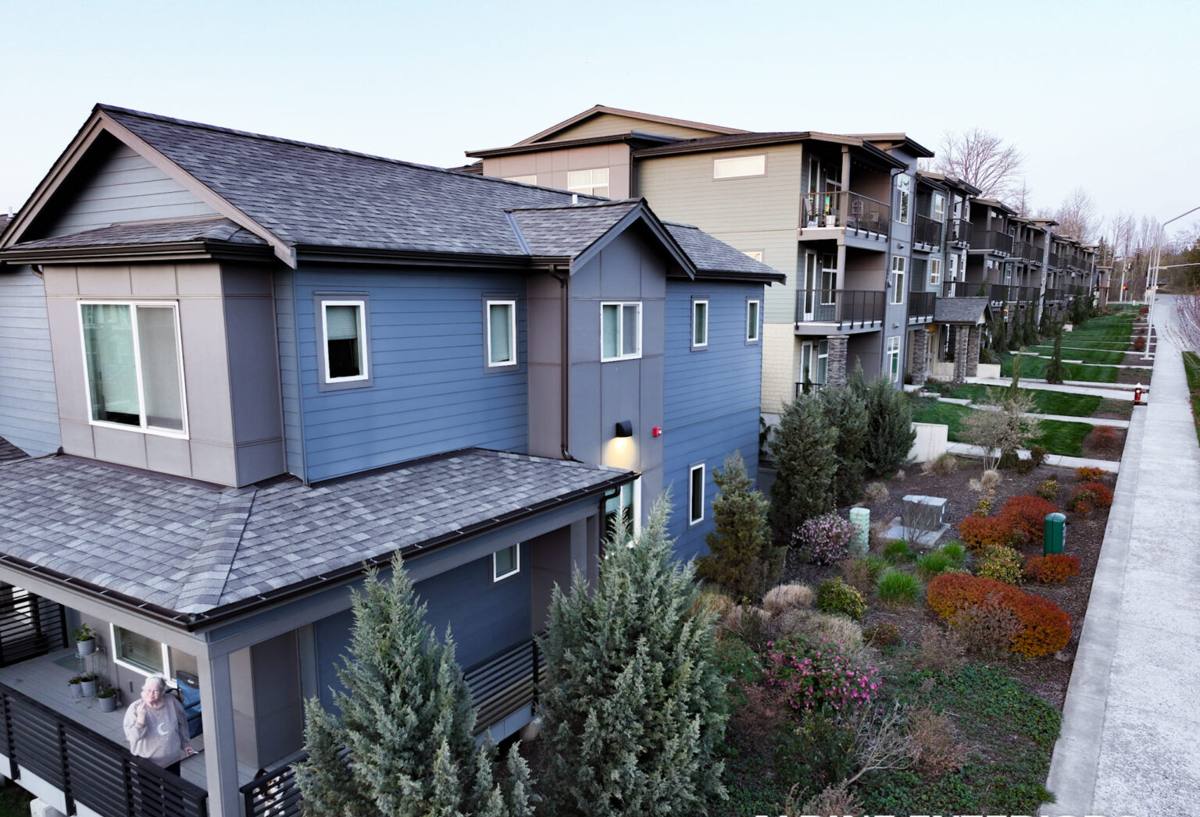
What Local Homes Actually Need From New Windows
Older Housing Stock, Older Openings
A lot of homes in this part of St. Petersburg were built well before modern energy codes or hurricane-related glazing standards existed. That means rough openings are frequently out of square, wood-frame sills have absorbed decades of moisture, and old aluminum or wood windows were never installed with the flashing and sealing details modern code requires. Replacing the glass alone doesn't fix any of that — the opening itself often needs attention before a new window ever goes in.
Heat and UV Load
St. Petersburg sees intense sun essentially year-round. Single-pane glass and older low-quality double-pane units let heat pour in, which drives up cooling costs and leaves rooms uncomfortable even with the AC working overtime. Low-E coatings and proper glazing matter more here than in most of the country, not less.
Wind and Wind-Driven Rain
Pinellas County sits in an active hurricane corridor, and even storms that don't make direct landfall nearby can push sustained high winds and horizontal rain through the area. Windows that aren't rated and installed correctly for wind load are a real vulnerability — not just for glass breakage, but for water intrusion that damages framing, drywall, and flooring long after the storm passes.
Salt Air Corrosion
Being close to the bay means airborne salt settles on hardware, frames, and fasteners over time. Standard steel screws, uncoated aluminum components, and cheap hardware corrode faster here. It shows up as pitted frames, stuck locks, and streaking well before the glass itself fails.
Florida Code Requirements You Should Know About
Window replacement in St. Petersburg isn't a "buy whatever's cheapest at a box store and swap it in" project. Florida Building Code sets wind load and impact requirements based on your specific location, and Pinellas County enforces those through the permitting process. What that means in practice:
- New windows need a Florida Product Approval (or Miami-Dade NOA) number matching the design pressure requirements for your address
- Permits are typically required for full window replacement, not just a formality — the inspection confirms the install meets code
- Impact-rated glass or approved shutter/covering systems are common options for meeting wind-borne debris requirements, depending on your specific design pressure zone
- Improperly permitted work can create real problems at resale, when a buyer's inspector or insurer asks for documentation that doesn't exist
We handle the permitting and product-approval matching as part of the job. It's not an upsell — it's what separates a legitimate installation from one that just looks finished.
What a Correct Installation Actually Involves
Window installation quality is decided by details most homeowners never see once the trim is back on. The window itself matters, but the labor around it matters just as much, especially in a climate this demanding.
Before the New Window Goes In
- Remove the old unit and inspect the rough opening for rot, water staining, or structural movement
- Repair or rebuild any compromised framing before proceeding — never install over a bad opening
- Confirm the opening is square, level, and properly sized for the replacement unit
During Installation
- Install self-adhered flashing tape and proper water management layers so any moisture that gets past the exterior sheds outward, not into the wall cavity
- Set the window plumb, level, and square, shimmed correctly to avoid stress on the frame
- Fasten per the manufacturer's and code's specified pattern and hardware — not just "enough screws to hold it"
- Seal with the correct sealant for coastal exposure, not a generic caulk that will fail in a season or two
After Installation
- Insulate the gap between frame and opening correctly — too little leaves drafts, too much can bow the frame
- Reinstall or replace interior and exterior trim cleanly
- Test operation, locks, and weep holes before calling the job done
Skip or rush any one of these steps and you end up with a window that looks fine on day one but leaks, drafts, or fails prematurely once real weather hits it.
How Our Process Works
- Free on-site assessment. We look at your existing windows, openings, and any signs of water intrusion or frame damage — not just take measurements over the phone.
- Product selection matched to your home and design pressure zone. We walk through the real trade-offs between frame materials, glass packages, and impact options for your specific situation.
- Permitting. We pull the required Pinellas County permits and match products to their Florida Product Approval documentation.
- Installation. Careful removal, opening prep, correct flashing and sealing, and clean finish work — done by people who install windows for a living, not a side crew.
- Final walkthrough and inspection. We confirm operation, sealing, and code compliance before we consider the job finished.
Choosing Materials for a Bay-Adjacent, Storm-Exposed Neighborhood
There's no single "best" window for every home — the right choice depends on your budget, your home's exposure, and how much wind protection you want built into the glass itself versus a separate shutter system. Here's how the common options stack up for a neighborhood like Bartlett Park:
| Option | Wind/Impact Performance | Salt Air Durability | Maintenance |
|---|---|---|---|
| Impact-rated vinyl | Strong — glass itself resists wind-borne debris | Good; vinyl doesn't corrode | Low |
| Impact-rated aluminum | Strong, with a stiffer frame under wind load | Requires quality coatings/hardware to resist coastal corrosion | Moderate |
| Non-impact glass + shutters | Depends on shutters being deployed correctly every storm | Shutter hardware needs corrosion-resistant fasteners | Higher — shutters are an added system to maintain |
| Standard non-impact, no shutters | Does not meet wind-borne debris requirements in most zones here | N/A | Not recommended for this area |
We don't push a single product on every homeowner. What we won't do is install glass that doesn't match your home's required design pressure or skip the flashing details that make the difference between a window that survives a decade of coastal weather and one that doesn't.
What Drives Cost on a Window Job Here
| Factor | Why It Matters |
|---|---|
| Number and size of openings | More or larger windows means more material and labor |
| Impact vs. non-impact glass | Impact-rated units cost more upfront but reduce or eliminate the need for separate shutters |
| Frame material | Vinyl, aluminum, and other options carry different price points and lifespans |
| Opening condition | Rot or framing repair adds labor before the window can even go in |
| Permitting and inspection | A required cost of doing the job to code, not optional |
We give honest, itemized estimates rather than a vague per-window number, so you know exactly what you're paying for and why.
Signs Your Windows Need a Closer Look
- Fogging or condensation between panes (a sign the seal has failed)
- Frames that feel soft, discolored, or show visible rot
- Windows that are difficult to open, close, or lock
- Noticeable drafts or a spike in cooling costs
- Visible corrosion on hardware or frames
- Water staining on interior walls or sills after heavy rain
- Single-pane glass original to a home built decades ago
Why Local Experience in Bartlett Park Matters
Anyone can sell you a window. Installing it correctly for St. Petersburg's climate, meeting Pinellas County's permitting requirements, and getting the flashing and sealing right for a neighborhood exposed to salt air and wind-driven rain is a different skill set. A crew that already works in and around Bartlett Park knows the housing stock, has already navigated the local permitting process, and isn't guessing at what your specific design pressure zone requires. That familiarity shows up in fewer surprises during the job and a window system that actually performs when the next storm rolls through.
If you're weighing whether it's time to replace your windows, or you just want a straight answer about what your home actually needs, we're happy to take a look. Reach out for a free, no-pressure estimate using the form below.