 St. Petersburg Window
 Window Installation for Disston Heights Homes
Disston Heights sits inland from the bay but still gets the full weight of a Pinellas County storm season. Homes here run the gamut from older mid-century construction with original single-pane windows to more recently updated properties, and in both cases the windows are doing more structural work than most owners realize. In this part of St. Petersburg, a window isn't just a view and a light source — it's a pressure boundary, a water barrier, and in a lot of cases the weakest link in an otherwise sound home. Getting the installation right matters as much as, if not more than, which window you buy.
We install windows throughout Disston Heights and the surrounding St. Petersburg neighborhoods, and this page covers what actually goes into a correct installation here — not a generic "why replace your windows" pitch, but the specifics of doing it right in this climate.
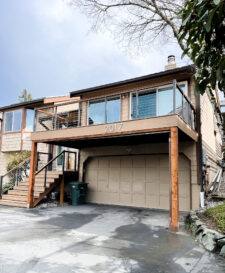
What Disston Heights Windows Are Actually Up Against
Pinellas County's climate is hard on building envelopes in a few distinct ways, and windows absorb most of that punishment directly.
Wind and Pressure
Hurricane-force winds don't just push on a window from the outside — they create pressure differentials that pull and flex the frame, the glazing, and the surrounding wall assembly. An older aluminum-frame window with a weak installation can fail at the frame-to-wall connection well before the glass itself gives out. That failure point is almost always the installation, not the product.
Wind-Driven Rain
Rain that arrives sideways during a tropical system or a strong summer storm finds every gap in flashing, sealant, and fastening. A window that's watertight in a calm rain can still leak badly under wind-driven rain if the perimeter sealing and flashing weren't done to a real standard. This is one of the most common callback issues we see on installs done by crews that don't regularly work Florida coastal conditions.
UV Exposure
St. Petersburg gets intense, near year-round sun. UV breaks down vinyl, degrades low-quality seals, and fades interior finishes and furnishings faster than in most parts of the country. Window glass coatings and frame material quality matter more here than in a milder climate.
Salt Air
Even set back from the immediate waterfront, Disston Heights gets salt-laden air carried in off Tampa Bay and the Gulf. Salt accelerates corrosion on metal hardware, fasteners, and frame components. Hardware and fasteners rated for coastal exposure aren't optional extras here — they're a baseline requirement for a window that's going to last.
What a Correct Installation Actually Involves
A window installation is judged on the finished look, but the parts that determine whether it holds up are almost all hidden once the trim goes back on.
- Accurate opening prep: Removing the old window fully, inspecting the rough opening for rot, wood decay, or prior water damage, and repairing the substrate before anything new goes in.
- Proper flashing integration: Flashing tape and materials installed in the correct shingle-lap sequence so water is directed out and down, never trapped behind the window.
- Sealant, not just caulk: A continuous, correctly applied sealant bead at the right points in the assembly — not a bead smeared around the trim after the fact to hide gaps.
- Correct fastening pattern and spacing: Following the manufacturer's specified fastening schedule so the window can actually perform to its tested wind rating. Skipping fasteners or spacing them wrong voids that rating even if the window itself is a good product.
- Shimming and leveling: A window that's out of square or not properly shimmed will bind, leak, or fail prematurely at the corners, regardless of how well it's sealed.
- Interior and exterior finish work: Trim, sill pans where called for, and insulation around the frame done so the finished opening is both weathertight and presentable.
Every one of those steps has to happen in the right order. Skipping or rushing any single one is usually invisible on install day and shows up as a leak, a draft, or a failed seal a year or two later.
Impact-Rated vs. Standard Windows: What Actually Changes
Homeowners in this area often ask whether they need impact-rated glass or whether standard windows with separate storm protection are enough. Both are legitimate approaches, and the right answer depends on the home, the budget, and how the owner wants to manage storm prep.
| Factor | Impact-Rated Windows | Standard Windows + Storm Protection |
|---|---|---|
| Storm prep effort | None — always protected | Shutters or panels must be installed before each storm |
| Upfront cost | Higher per window | Lower window cost, added cost for separate storm protection |
| Daily security & noise | Better sound dampening, added break-in resistance | No added benefit day-to-day |
| UV & energy performance | Typically strong, laminated glass blocks more UV | Varies by glass package |
| Insurance considerations | May help with wind mitigation credits | Storm shutters can also qualify for some credits |
We'll walk through both options honestly during your estimate, including what applies to your specific home and roofline, rather than defaulting to whichever is easiest to sell.
Frame Material
Vinyl, fiberglass, and aluminum all show up in Disston Heights homes. Each has real trade-offs in a coastal, high-UV climate — vinyl needs to be a quality, UV-stabilized product or it will chalk and warp; aluminum conducts heat and needs corrosion-resistant hardware; fiberglass holds up well but comes at a higher price point. We'll talk through what fits your home's age, style, and budget rather than pushing one material as a universal answer.
Our Process for Disston Heights Installations
- On-site assessment: We look at your existing windows, openings, and any signs of prior water intrusion or structural issues before quoting anything.
- Product selection: We go over frame material, glass package, and impact rating options based on your home and priorities, not a one-size-fits-all package.
- Permitting: Window replacement in St. Petersburg typically requires a permit, and impact-rated or structural changes may involve additional review. We handle that process.
- Removal and opening prep: Old units come out cleanly, and we address any rot, decay, or damage found in the opening before installing anything new.
- Installation to manufacturer spec: Flashing, fastening, shimming, and sealing done to the window manufacturer's requirements so the wind rating and warranty are both intact.
- Finish work and walkthrough: Interior and exterior trim completed, and we walk the job with you before calling it done.
Why Local Installation Experience Matters
A window installer who mostly works inland, low-humidity climates will approach flashing, sealant selection, and fastening differently than a crew that installs in Pinellas County year-round. It's not that the out-of-area crew is careless — it's that the failure modes they're used to guarding against aren't the same ones that show up here. A crew that regularly works St. Petersburg and the broader Tampa Bay area has already seen how wind-driven rain finds bad flashing, how salt air chews through the wrong hardware, and how UV punishes a cheap seal over a couple of summers. That experience shows up in the details — the ones you can't see once the job is finished but that determine whether the window is still performing correctly in five or ten years.
We also know the local permitting process, which keeps your project from stalling out on paperwork, and we're accountable to a customer base that's still in the neighborhood next year, not a crew that's moved on to the next region.
Signs Your Disston Heights Home May Need New Windows
- Visible fogging or moisture between panes of double-glazed units, indicating a failed seal
- Windows that are difficult to open, close, or lock — often a sign of a frame that's shifted or warped
- Noticeable drafts or a rise in cooling costs during summer months
- Soft spots, discoloration, or visible rot in the surrounding trim or wall material
- Aluminum frames with heavy corrosion or pitting from salt exposure
- Single-pane glass in a home that hasn't been updated with any storm protection
Cost Factors to Expect
Exact pricing depends on the specifics of your home, but the main variables that move the number are consistent across most Disston Heights projects:
| Factor | How It Affects Cost |
|---|---|
| Impact-rated vs. standard glass | Impact glass typically carries a higher per-window cost |
| Frame material | Vinyl generally costs less than fiberglass; aluminum varies by hardware quality |
| Number and size of openings | More windows and larger openings increase total labor and material cost |
| Condition of existing openings | Rot repair or structural correction adds cost beyond the window itself |
| Retrofit vs. full-frame replacement | Full-frame replacement costs more but is often necessary on older openings |
We provide a written, itemized estimate before any work starts so you know exactly what you're paying for and why.
Get a Free Estimate for Your Disston Heights Home
If your windows are showing their age, struggling through storm season, or just costing you more in energy bills than they should, we're happy to take a look. We'll give you an honest read on your current windows, walk through the options that make sense for your home, and provide a free, no-pressure estimate. Use the form below to get started.