 St. Petersburg Window
 Why Decks Fail Faster in Pinellas Point
Pinellas Point sits on the water on more than one side, and that location is exactly what makes it a beautiful place to live and a hard place on a deck. Homes here deal with a combination most inland St. Petersburg neighborhoods don't see at the same intensity: near-constant salt-laden air, intense year-round Florida UV, wind-driven rain that gets pushed sideways under railings and into ledger boards, and the real chance of hurricane-force wind loading during storm season. Any one of those would age a deck. Together, they compound.
Salt air corrodes fasteners and metal connectors from the inside out, often long before the surface boards show obvious damage. UV breaks down the lignin in wood fiber and the surface resins in composite decking, which is why boards that looked fine two summers ago can be graying, splintering, or chalking today. Wind-driven rain finds every gap in flashing and every screw hole that wasn't sealed correctly, and once moisture gets under a deck surface in Pinellas County's humidity, it doesn't dry out quickly. A deck built to a generic spec, without those specific stresses in mind, is working against its environment from day one.
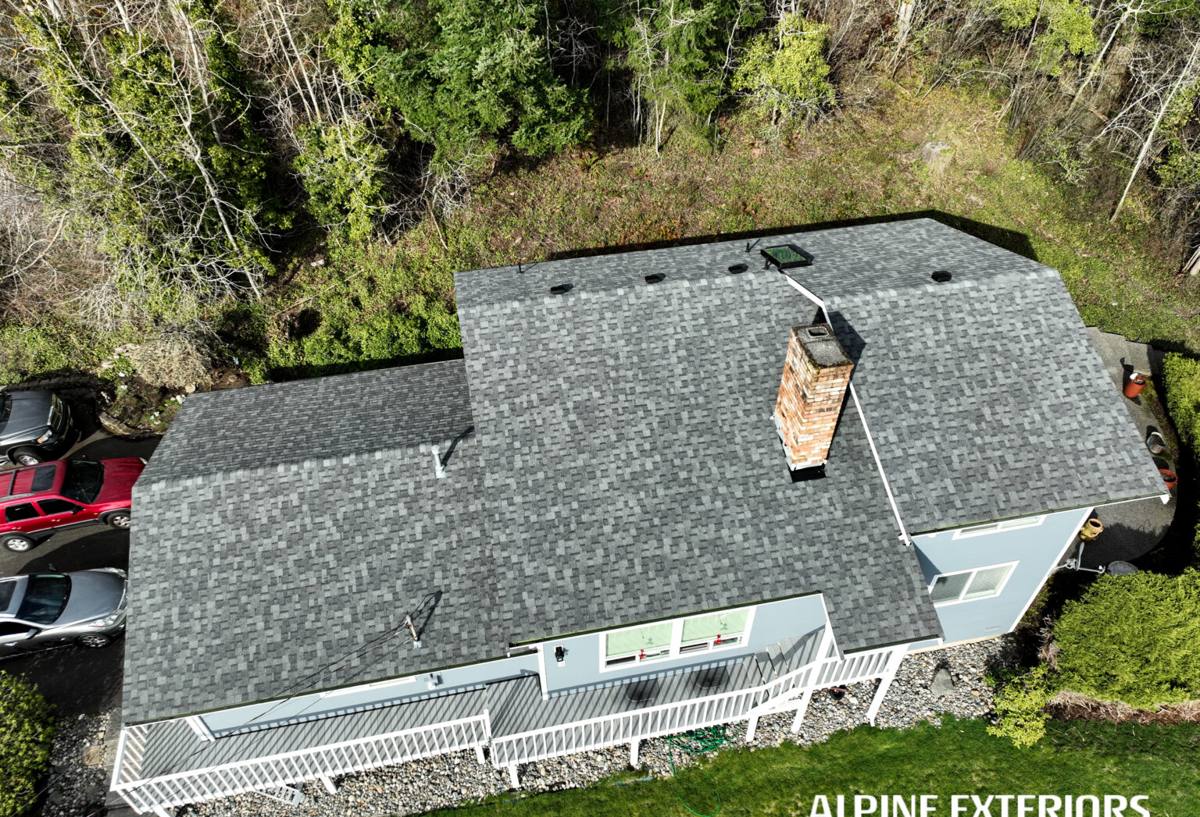
What "Deck Replacement" Actually Means Here
A lot of what gets called deck replacement is really just a new set of boards laid over old framing. That approach hides problems instead of fixing them, and in a waterfront neighborhood like this one, the framing is usually where the real damage is. A proper replacement in this area means:
- Full removal of the old decking, railing, and any trim down to the structural frame
- Inspection of ledger board attachment, joists, beams, and posts for rot, rust, and fastener corrosion
- Replacement of any compromised framing members, not just patching around them
- Correct ledger flashing and waterproofing where the deck meets the house
- Corrosion-resistant hardware and fasteners rated for coastal exposure
- New decking material selected for how it actually performs in sun, salt, and rain — not just how it looks on day one
Skipping the framing inspection is the single most common shortcut we see in older deck work throughout the St. Petersburg area, and it's the reason a "new" deck can start feeling soft or spongy again within just a few years near the water.
Decking Material Options for a Waterfront Property
There's no single right material for every home, but there is a wrong way to choose one — picking based on price or looks alone without thinking about your specific exposure. Here's how the common options actually hold up in this kind of environment:
| Material | Salt/Moisture Behavior | UV & Fade Resistance | Maintenance | Relative Cost |
|---|---|---|---|---|
| Pressure-treated pine | Prone to fastener corrosion and cupping if not sealed regularly | Fades and grays without maintenance | Needs re-sealing every 1-2 years in this climate | Lowest upfront |
| Composite decking | Handles moisture well; won't rot, but low-quality boards can absorb heat and show surface wear near salt spray | Better than untreated wood; quality varies by brand | Occasional cleaning, no sealing or staining | Mid to upper |
| Tropical hardwoods | Naturally dense and moisture-resistant | Grays over time unless oiled | Periodic oiling to maintain color and surface | Upper |
| PVC/cellular decking | Fully moisture-proof, does not absorb water | Strong UV and fade resistance in most product lines | Low; mainly cleaning | Higher |
We'll walk you through the honest trade-offs for your specific deck — sun exposure, proximity to open water, how much upkeep you actually want to do — rather than steering you toward whatever has the best margin. There's no perfect material, only the right fit for your house and your tolerance for maintenance.
What We Don't Recommend, and Why
We're selective about lower-grade composite blends and cheaper railing systems that look fine in a showroom but haven't proven themselves in direct coastal exposure. That's not a claim that a product is defective — it's a professional judgment about installation sensitivity, warranty structure, and how a material behaves specifically under salt air and intense sun over years, not months. If a product line doesn't hold up to that standard, we'll tell you why before you spend money on it.
Framing, Fasteners, and Connections: The Part You Don't See
The boards you walk on get all the attention, but the framing underneath is what actually determines how long a deck lasts and how safe it is in high wind. In a hurricane-exposed area like Pinellas County, that means hurricane-rated joist hangers and structural connectors, not just nails toe-driven into a beam. It means fasteners rated for coastal/marine exposure — standard galvanized hardware corrodes faster here than it would inland, and stainless or coated fasteners cost more up front but avoid the rust streaking and weakened connections that come from salt exposure over time. It also means a ledger board that's properly flashed and sealed where it attaches to the house, since that single connection point is one of the most common failure points in any deck, anywhere.
Permits and Code Requirements in St. Petersburg
Deck replacement in the City of St. Petersburg and unincorporated Pinellas County generally requires a permit, and inspections along the way, particularly for structural work like ledger attachment, footings, and framing. Wind load requirements under Florida Building Code are not a formality here — they reflect the real hurricane exposure this part of the state lives with every storm season. A contractor who treats permitting as optional is asking you to take on liability that should be theirs. We handle the permitting and inspection process as a standard part of the job, not an upsell.
Our Deck Replacement Process
- On-site evaluation. We assess the existing deck, framing condition, ledger attachment, and any moisture or rot issues, and talk through what your home and budget actually need.
- Material and design decisions. We go over decking, railing, and fastener options with the trade-offs laid out plainly, sized to your specific exposure.
- Permitting. We pull the required permits and schedule inspections so the work is documented and code-compliant from the start.
- Demolition and framing inspection. Full removal down to structure, with any compromised framing replaced rather than patched.
- Rebuild. Correct flashing, connectors, and fasteners installed first, then decking and railing.
- Final walkthrough. We review the finished deck with you, including care and maintenance specific to the material you chose.
Signs Your Deck Needs Replacing, Not Just Repair
Not every aging deck needs a full teardown, but in a coastal environment the line between "repair" and "replace" gets crossed faster than most homeowners expect. Watch for:
- Soft, spongy, or bouncy spots when you walk across the surface
- Visible rust streaking around fasteners or connectors
- Gaps, separation, or movement where the deck meets the house
- Wood that's soft to a screwdriver test, especially near posts and the ledger
- Railings that wobble or flex under normal pressure
- Boards that are cracking, splintering, or cupping across large sections rather than just one or two spots
If you're seeing more than one of these at once, it's usually a sign the framing has been compromised for a while, and a surface-level repair won't hold for long.
Why Local Experience in Pinellas Point Actually Matters
A crew that already works this specific part of St. Petersburg knows what to expect before they even pull up the old decking — the fastener corrosion pattern common to homes exposed on multiple sides to open water, the flashing details that hold up against wind-driven rain, and the material choices that actually make sense given how much direct sun and salt spray a given lot gets. That's different from general deck-building experience. It's the difference between a deck built to a national average spec and one built for the specific conditions of this waterfront pocket of Pinellas County.
After the Install: Keeping It That Way
Even the right materials installed correctly benefit from basic upkeep in this climate. Rinse salt residue off periodically, especially after storms. Keep an eye on fastener heads and connectors for early rust signs. If you chose wood, stay on top of the sealing schedule rather than letting it lapse. None of this is complicated, but skipping it is how a well-built deck starts aging faster than it should.
If your deck in Pinellas Point is showing its age, or you just want an honest read on whether repair or full replacement makes sense, we're happy to take a look. Reach out for a free, no-pressure estimate using the form below.