 St. Petersburg Window
 Why Bartlett Park Decks Take Extra Abuse
A deck in Bartlett Park doesn't age the way a deck in a drier, cooler climate does. St. Petersburg sits on a peninsula in Pinellas County, which means every deck in this neighborhood deals with a combination of stressors that most parts of the country never see at the same time: intense year-round UV that breaks down wood fibers and fades or chalks finishes, wind-driven rain that gets pushed sideways underneath railings and into seams that were never designed to shed water from that angle, salt-laden air moving in off the Gulf that accelerates corrosion on anything metal, and periodic hurricane-force winds that rack framing and loosen connections even when the deck looks fine on the surface.
Bartlett Park is also one of the older, established neighborhoods in the city, and a lot of the homes here have mature tree canopy nearby. That's a nice feature for shade, but it also means more leaf litter and organic debris settling into deck boards and railing joints, holding moisture against the wood long after a storm has passed. Combine that with Florida's humidity and you get a recipe for rot, fastener corrosion, and hidden structural decay that isn't always obvious from a casual look.
None of this means a deck here is destined to fail — it means a deck here needs to be built and repaired with this specific climate in mind, not with generic techniques borrowed from a drier region.
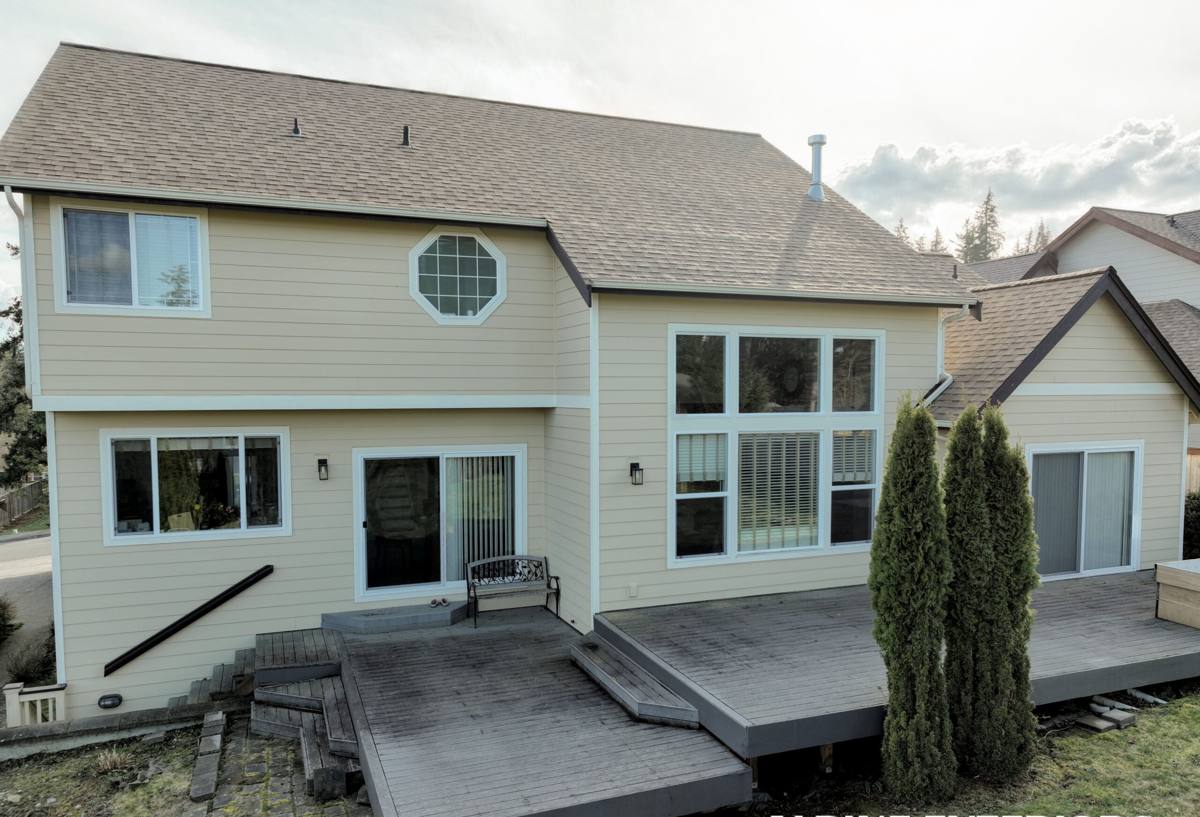
Warning Signs You Shouldn't Ignore
Deck problems in this climate tend to start small and hidden, then show up all at once as a soft spot, a wobbly rail, or a board that gives way underfoot. Catching the early signs saves money and keeps the repair a repair instead of a full rebuild.
- Boards that feel spongy, bouncy, or noticeably different underfoot compared to the rest of the deck
- Railings or posts that wiggle when pushed, even slightly
- Rust streaks bleeding out from screw heads, joist hangers, or bolts
- Gaps opening up between boards, or boards that have cupped or crowned
- Stairs that feel less solid than they used to, especially at the stringers
- Visible daylight or gaps where the ledger board meets the house
- A musty smell coming from underneath the deck, which usually points to trapped moisture and early rot
- Discoloration or soft, dark wood anywhere framing members meet the ground or masonry
Any one of these on its own might be a minor fix. Several at once, or anything involving the ledger board or main support posts, means the structure needs a real inspection before anyone uses the deck heavily.
What a Correct Deck Repair Actually Involves
A deck repair that's done right isn't just about swapping out the boards that look bad. It starts underneath, where the problems that actually threaten safety usually live.
Framing and the Ledger Board
The ledger board — the piece that attaches the deck to the house — is the single most important connection on the whole structure, and it's also the piece most exposed to wind-driven rain because it sits right where the deck meets the wall. We check it for rot, confirm it's properly flashed to keep water from getting behind it, and verify the bolts or lag screws holding it are sound and correctly spaced. Joists, beams, and support posts get checked for rot, checking (splitting), and any sign of insect damage, since a deck can look solid on top while the framing underneath has been quietly failing for years.
Decking Boards and Railings
Individual boards get replaced when they're cupped, splitting, or soft, matched as closely as possible to the existing material and fastening pattern so the repair doesn't stand out or create a new weak point. Railings and balusters are checked for code-compliant spacing and secure attachment — a railing that looks fine but isn't properly anchored is one of the more common safety gaps we find on older decks.
Fasteners and Hardware
This is where a lot of repairs quietly fail in a coastal climate. Standard fasteners corrode faster here than almost anywhere else in the country, and a rusted-through joist hanger or screw can undermine an otherwise solid repair within a few seasons. We use hardware rated for coastal and treated-lumber exposure, not whatever is cheapest at the box store.
Repair or Replace? How We Help You Decide
Not every deck problem calls for a full rebuild, and not every deck is worth patching. The decision usually comes down to how much of the structural framing is still sound versus how much has been compromised.
| Factor | Repair Usually Makes Sense | Replacement Usually Makes Sense |
|---|---|---|
| Framing condition | Ledger, joists, and posts are solid; damage is isolated | Rot or corrosion is widespread through the main structure |
| Age of the deck | Built in the last 10-15 years with decent materials | Original construction is old and past its practical service life |
| Extent of damage | A few boards, a rail section, or a stair stringer | Multiple sections showing rot, sag, or fastener failure at once |
| Code compliance | Structure meets current railing and connection standards | Railing height, spacing, or attachment falls short of current code |
| Cost outlook | Isolated repairs run from a few hundred dollars up to a couple thousand | Full or near-full rebuilds run several thousand dollars and up, depending on size and material |
We'll always tell you honestly which side of that table your deck falls on. A repair that's just patching over failing framing isn't a good use of your money, but a full rebuild isn't necessary just because a few boards are worn.
Choosing Materials for This Climate
Pressure-Treated Wood
Still the most common decking and framing material in this area, and for good reason — it's affordable and performs well when it's properly sealed and maintained. The trade-off is that it needs periodic resealing and inspection, because Florida's UV and humidity will find any gap in the protective finish faster than in a milder climate.
Composite Decking
Composite boards resist rot and don't need staining or sealing, which appeals to a lot of homeowners who don't want an annual maintenance chore. The trade-offs worth knowing: composite can run hotter underfoot in direct summer sun, upfront material cost is higher than wood, and the framing underneath still needs to be real, treated lumber or a comparable structural material — composite is a decking surface, not a structural fix.
Hardware
Whatever decking material you choose, the fasteners and connectors matter just as much. We spec stainless steel or hot-dip galvanized hardware rated for treated lumber and coastal exposure on every repair, because mismatched or standard hardware is one of the most common causes of early failure we see on decks near the Gulf.
Our Deck Repair Process in Bartlett Park
- We inspect the full structure — not just the visible boards — including framing, ledger attachment, posts, and footings, and check that from below whenever access allows it
- We give you a straightforward assessment of what's failing, what's still sound, and whether repair or replacement is the honest call
- We provide a clear, written estimate before any work starts, with no surprise add-ons once the job is underway
- We pull any required permit and handle inspections, so the finished work is documented and code-compliant
- We repair or rebuild using materials and hardware suited to Gulf Coast exposure, matching existing decking where a full replacement isn't needed
- We do a final walk-through with you, checking rail stability, stair solidity, and overall fit and finish before we consider the job done
Permits and Code Considerations
Deck work in St. Petersburg and the rest of Pinellas County generally requires a permit once the repair goes beyond cosmetic board replacement — particularly anything touching framing, footings, the ledger connection, or railings. This matters more than paperwork: it's the mechanism that confirms the structure meets current wind load and safety standards, which is especially relevant here given how much of the year is spent under hurricane risk. On older homes, it's not unusual to find a deck that was never permitted in the first place, or one built to a code standard that's since been updated. Part of doing a repair correctly is bringing that structure up to current requirements where the work touches it, not just patching around the gap.
Maintaining Your Deck Between Repairs
A deck built and repaired correctly for this climate will still need regular attention. A little maintenance goes a long way toward stretching the time between repairs.
- Sweep off leaves and organic debris regularly, especially in shaded areas where moisture lingers
- Reseal or restain wood decking on a regular schedule rather than waiting until it looks obviously worn
- Check railings and stair rails by hand a few times a year for any looseness
- Look underneath the deck occasionally for rust streaks, soft wood, or standing moisture
- Keep gutters and downspouts near the deck clear so runoff isn't draining directly onto or under it
- After any major storm, do a quick visual check of framing connections and the ledger board
Why a Crew That Already Works Bartlett Park Matters
Deck repair isn't identical from one region to the next, and it isn't even identical from one Florida neighborhood to the next. A crew that regularly works in Bartlett Park already knows the general age and construction style of homes in this part of St. Petersburg, understands how the local permitting process runs, and has seen firsthand how salt air, sun, and storm exposure play out on decks in this specific area over time. That local pattern recognition means fewer surprises, a more accurate first assessment, and repair decisions grounded in what actually holds up here — not generic advice that happens to be technically true somewhere else.
If you're noticing soft spots, loose railings, or you just want an honest opinion on the condition of your deck, we're happy to take a look. Reach out for a free, no-pressure estimate using the form below.