 St. Petersburg Window
 Building a Deck That Actually Holds Up in Childs Park
A deck in Childs Park has to survive a different set of conditions than a deck built almost anywhere else in the country. St. Petersburg sits on a peninsula between Tampa Bay and the Gulf, which means the wood, hardware, and fasteners on an outdoor structure here are dealing with intense year-round UV, salt-laden air, wind-driven rain, and the real possibility of hurricane-force gusts — sometimes all in the same week. A deck that's framed and fastened the way it would be in a drier, cooler climate will show it within a few years: cupped boards, rusted-out screws, soft spots around posts, and railings that work loose. Building it right the first time, for this specific climate, is what keeps a deck solid for decades instead of needing rework in five years.
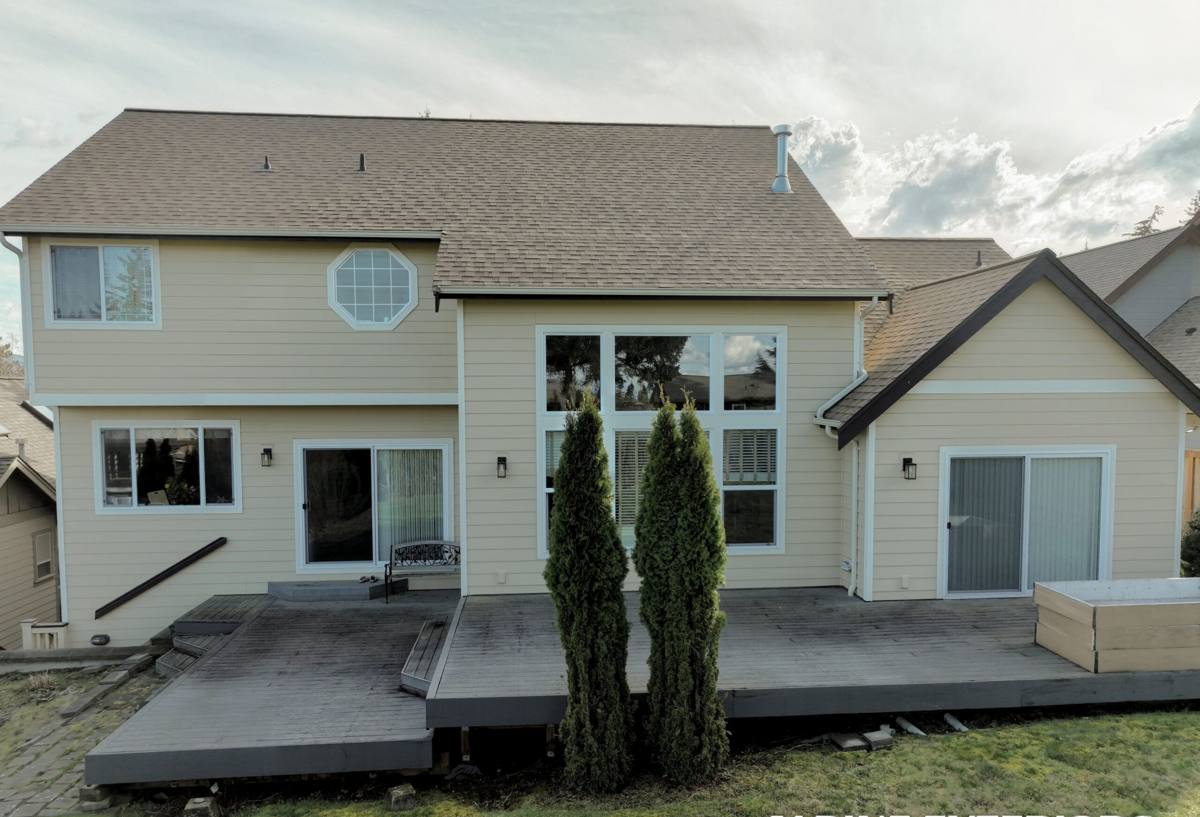
What Childs Park Homes Typically Need From a Deck
Childs Park is one of St. Petersburg's established residential neighborhoods, with a housing stock that leans toward older single-story homes on modest lots — much of it concrete block construction, as is common across Pinellas County. That combination shapes what a deck project usually looks like here:
- Attaching a new deck to an older concrete block or wood-frame house means the ledger connection (or avoiding one entirely with a free-standing design) has to be engineered correctly — this is one of the most common failure points on older Florida homes.
- Smaller and mid-size lots mean the deck footprint and setback from property lines matter early in the design, not as an afterthought.
- Mature tree canopy in older neighborhoods adds shade in places, which is good for comfort but changes how a deck dries out after rain and how quickly organic debris builds up on the surface.
- Many homes sit close to grade, so drainage, ground clearance, and moisture control under the deck need real attention rather than a quick fix.
None of this is unusual for South St. Petersburg — it just means a generic deck plan pulled off a big-box materials list usually isn't the right starting point.
Florida Building Code and Pinellas County Permitting
Decks in the City of St. Petersburg fall under the Florida Building Code, which sets minimum wind-load and structural requirements for the whole state — and Pinellas County's coastal exposure puts most of it near the higher end of those wind requirements. In practice, that affects a deck project in a few concrete ways:
- Most new decks require a building permit and inspection, not just a homeowner's sign-off. Attached decks especially need a proper ledger attachment detail reviewed against the code.
- Guardrail height, baluster spacing, and stair geometry are code-specified, not optional design choices, once the deck reaches a certain height off grade.
- Footing depth and post connections have to account for both soil conditions and wind uplift — not just the static weight of people standing on the deck.
A crew that pulls permits and schedules inspections as a normal part of the job protects you two ways: it confirms the structure was actually checked by someone outside the build, and it avoids the headache of an unpermitted deck showing up as an issue at resale.
Material Choices: What Actually Holds Up Here
There's no single "right" decking material for every project — it depends on budget, maintenance appetite, and how much sun and rain exposure the deck gets. Here's how the common options compare for a St. Petersburg backyard:
| Material | Upfront Cost | Maintenance | How It Handles This Climate |
|---|---|---|---|
| Pressure-treated pine | Lowest | Needs re-sealing every 1–2 years | Affordable and strong, but UV and humidity will gray and check the surface fast without upkeep |
| Composite decking | Higher | Occasional cleaning, no sealing | Resists rot and UV fading well; picking a lighter color helps with surface heat underfoot |
| Tropical hardwood (e.g., ipe) | Highest | Periodic oiling for color, low structural upkeep | Naturally dense and rot-resistant, but heavy and unforgiving to install poorly |
| Aluminum decking | Higher | Very low | Doesn't rot, warp, or fade like wood; a good fit for waterfront or heavy-salt-exposure lots |
Whatever surface material you choose, the framing underneath should be pressure-treated lumber rated for ground contact where applicable, and the substructure matters more to long-term durability than the decking surface most homeowners fixate on.
Fasteners and Hardware — The Detail Most People Skip
Salt air corrodes standard fasteners faster than most homeowners expect, and it doesn't take beachfront proximity to matter — it affects the whole Pinellas County area. Stainless steel or hot-dip galvanized fasteners and structural hardware (joist hangers, post bases, hurricane ties) cost more than the coated screws sold in a standard box-store deck kit, but they're what keeps connections tight ten years out instead of rusting, staining the wood, and weakening at exactly the joints that matter most in a wind event.
The Details That Separate a Correct Build From a Quick One
Most deck failures in this climate trace back to a handful of overlooked details, not dramatic design mistakes:
- Ledger flashing: where a deck attaches to the house, proper flashing keeps wind-driven rain from working its way behind the siding or into the rim joist — a slow leak here rots the connection from the inside.
- Footing depth and post bases: footings need to reach stable soil and posts need to sit on bases that keep end grain off standing water, especially on lower lots that hold moisture after heavy rain.
- Airflow underneath: decks built too close to grade trap moisture and accelerate rot; proper clearance lets the structure actually dry out between storms.
- Board spacing and orientation: gapping has to account for wood movement in Florida's humidity swings, and board run should work with the drainage slope, not against it.
- Railing and stair connections: these take direct wind load and repeated stress — loose railings are one of the most common "small job gone wrong" repairs we see on older decks.
How the Project Actually Works
- On-site consultation: we look at the house, the lot, sun and drainage patterns, and talk through how you actually plan to use the space.
- Design and material selection: footprint, decking material, railing style, and any covered or multi-level elements get worked out with real numbers attached, not guesses.
- Permitting: we handle the permit application and engineering documentation required for your specific design and lot.
- Site prep and framing: footings, posts, and structural framing go in first, built to hold up under Florida wind loads before a single deck board is placed.
- Decking, railing, and finish work: surface material, railings, stairs, and any lighting or fastener caps are installed and finished out.
- Final inspection: the completed deck is signed off by the local building inspector, and we walk you through basic care before we consider the job done.
What Ongoing Maintenance Actually Looks Like
Every deck material needs some upkeep in this climate — the difference is how much and how often. Wood decks need periodic cleaning and re-sealing to fight UV graying and moisture intrusion. Composite and aluminum need far less, mostly just keeping debris and organic buildup off the surface so it doesn't hold moisture. Whatever material you choose, an annual walk-around — checking for loose fasteners, soft spots, and rust staining around hardware — catches small issues before they become structural ones. We're happy to walk you through what your specific deck will need before you commit to a material.
Why a Crew That Already Works Childs Park Matters
Deck building isn't just carpentry — it's carpentry that has to survive Pinellas County's specific mix of heat, humidity, salt air, and storm exposure. A crew that regularly works in and around St. Petersburg neighborhoods like Childs Park already knows the local permitting process, the wind-load requirements that apply here, and which material and hardware choices actually pay off versus which ones just look good on day one. That familiarity shows up in fewer surprises during permitting, a build that's sized correctly for your lot from the start, and a deck that's still solid well past the point where a corner-cut job would be showing problems.
Before you hire anyone for a deck project, it's worth asking a few direct questions:
- Do you pull permits and schedule inspections, or is that left to the homeowner?
- What fastener and hardware grade do you use, and why?
- How do you handle the ledger connection on an attached deck?
- What's your footing depth and post-base approach for this soil and lot?
- Can you walk me through the maintenance my chosen material will actually need?
A contractor who answers those clearly and specifically, without hedging, is one who's actually built decks in this climate before — not just decks in general.
Get a Straightforward Estimate
If you're weighing a new deck for your Childs Park home, we're glad to come take a look, talk through what fits your lot and budget, and give you a straightforward, no-pressure estimate — just fill out the form below.