 St. Petersburg Window
 Building a Deck That Actually Holds Up in Euclid-St. Paul
Euclid-St. Paul is one of St. Petersburg's older, established residential neighborhoods, and homes here tend to have the kind of backyards that make a deck worth building — mature trees, some shade, room to actually use the space. But a deck built with generic, big-box specs doesn't last long this close to Tampa Bay. Pinellas County sits in a hurricane-exposed, high-UV, salt-air environment, and a deck out here takes a different kind of beating than the same structure would take inland. We build decks specifically for this area, not a version of a deck we'd build somewhere in the Midwest with the wood swapped out.
This page covers what a correctly built deck in Euclid-St. Paul actually requires — the materials, the fasteners, the framing details, and the permitting — so you know what to look for whether you hire us or someone else.
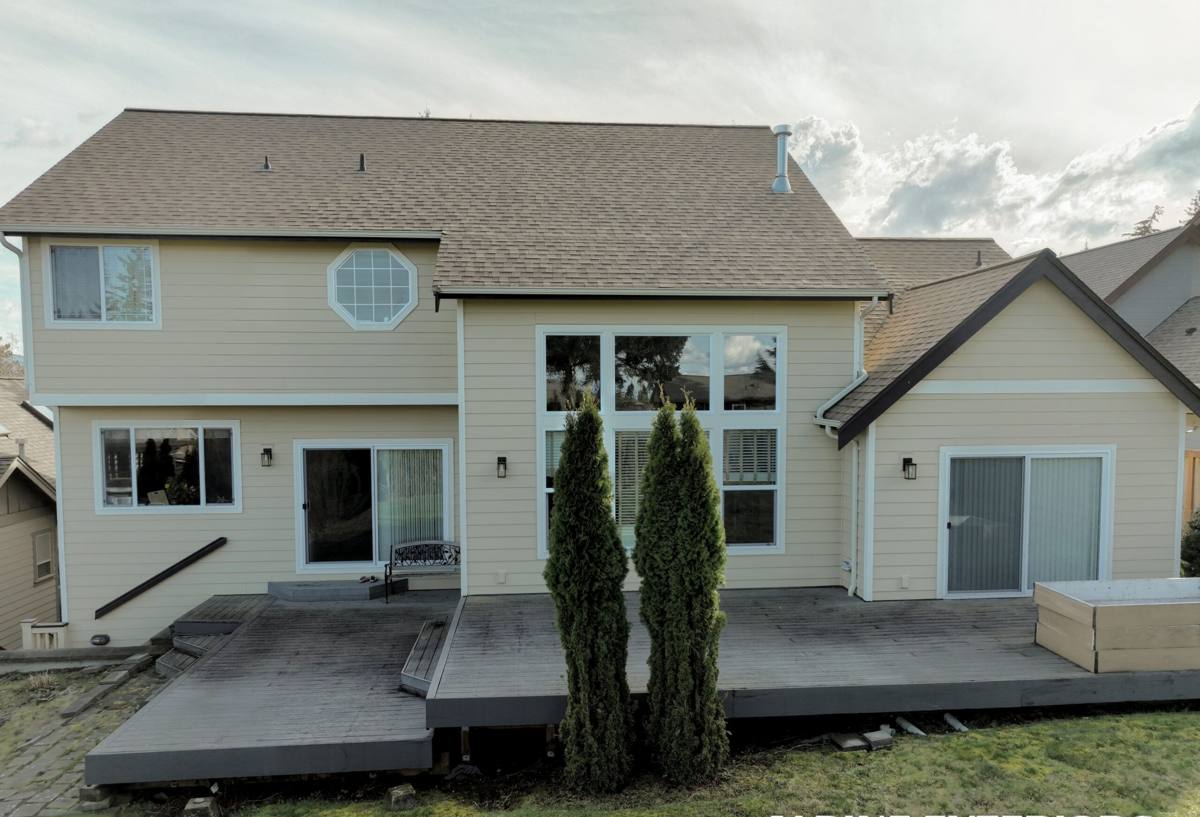
What This Neighborhood Asks of a Deck
Older St. Petersburg neighborhoods like this one share a few traits that matter for deck design. Lots are often smaller and closer together than newer suburban construction, which affects setback requirements and how much deck footprint actually fits. Many homes were built decades before modern deck-ledger and flashing standards existed, so tying a new deck into an older house structure takes more care than clipping joist hangers to a ledger board on new construction. And established tree canopy, while it's one of the best things about these older blocks, means more leaf litter, more shade that keeps wood damp longer after rain, and root systems to work around when we set footings.
None of that is a problem if it's accounted for up front. It's a problem when a crew treats every deck the same way regardless of the lot, the house age, or the yard.
The Climate Factors That Actually Wreck a Deck
Hurricane-Force Wind
A deck isn't just a platform — it's a structure that has to resist uplift and lateral load in a storm, especially if it's covered or has a roof structure over it. Undersized footings, ledger boards that aren't properly through-bolted, and light-duty hardware are the first things to fail when wind loads spike. This is a framing and hardware issue, not a cosmetic one, and it's the part of the build that matters most in a county that sees tropical systems on a regular basis.
Intense, Year-Round UV
Florida sun is harder on exposed wood and composite surfaces than most other parts of the country because there's no real off-season for it. UV breaks down the lignin in wood fiber (the graying you see on untreated or unsealed decking) and can fade or chalk lower-quality composite boards faster than their warranty language suggests. Material selection and finish matter more here than in a climate with a real winter.
Wind-Driven Rain
Storms here don't just drop rain straight down — wind pushes it sideways and up under boards, around ledger connections, and into end-grain cuts. A deck that isn't flashed and sloped correctly will trap moisture in exactly the places you can't see it: under the ledger, inside joist hanger pockets, and at butt joints in the decking. That trapped moisture is what causes rot and hardware corrosion long before the visible deck surface looks bad.
Salt Air
St. Petersburg sits on a peninsula between Tampa Bay and the Gulf, and salt-laden air travels further inland than most homeowners expect. Salt air accelerates corrosion on any fastener, bracket, or connector that isn't rated for a coastal environment — this is one of the most common reasons decks develop hidden structural problems years before the wood itself looks like it needs replacing.
Material Choices That Make Sense in This Climate
There's no single "best" decking material — it depends on budget, maintenance appetite, and how much sun and moisture exposure your specific yard gets. Here's how the common options actually compare for a St. Petersburg backyard:
| Material | Upfront Cost | Maintenance | Heat Underfoot | Coastal Durability |
|---|---|---|---|---|
| Pressure-treated pine | Lowest | Re-seal every 1-2 years | Moderate | Good, if sealed and hardware is corrosion-rated |
| Cedar | Mid-range | Re-seal annually; naturally rot-resistant | Moderate | Good with upkeep; softer, dents easier |
| Capped composite | Higher | Occasional wash, no sealing | Can run hot in direct sun | Very good; look for a coastal/marine-rated product line |
| PVC decking | Highest | Lowest — no wood fiber to rot | Similar to composite | Excellent; fully immune to rot and insects |
We don't push one material on every job. A shaded, mature-tree lot in Euclid-St. Paul might be a great candidate for wood because it stays cooler underfoot; a full-sun backyard often does better long-term with composite or PVC. What matters more than the brand name on the decking is what's underneath it — the framing, the fasteners, and the flashing — because that's what determines whether the deck is still structurally sound in ten years, regardless of what the surface boards are made of.
Why We're Selective About Certain Composite Lines
Not every composite product is built the same, and we've learned to be picky. Some budget composite boards are more sensitive to installation gaps and ventilation than their marketing suggests, and getting that wrong in a hot, humid climate can mean moisture retention under the board or premature fading. Our standard is to spec composite and PVC products with documented coastal warranties and to install them exactly to the manufacturer's spacing and ventilation requirements — not because a product is "bad," but because Florida heat and moisture punish shortcuts that would go unnoticed in a milder climate.
Framing, Fasteners, and Flashing: Where Decks Actually Fail
The decking surface is what you see. The framing underneath is what determines whether the deck survives a storm season. This is the part of the build we spend the most time getting right.
- Ledger attachment: Through-bolted (not just lag-screwed) into solid framing, with proper flashing that directs water away from the house band board — not toward it.
- Fasteners and hardware: Stainless steel or heavy hot-dip galvanized connectors rated for coastal exposure. Standard electro-galvanized hardware corrodes faster in salt air, especially in contact with modern ACQ-treated lumber, which is more corrosive to metal than older treatment chemicals.
- Joist hangers and hurricane ties: Sized and spaced to resist uplift, not just gravity load — this is what keeps a deck (and any attached roof structure) from becoming a wind hazard.
- Footings: Set to the depth and diameter the local code requires for the structure's load and attachment type, not a one-size-fits-all footing regardless of deck size.
- Board spacing and airflow: Gapped correctly for drainage and expansion, since Florida humidity means wood and composite both move seasonally.
Permits and Inspections in St. Petersburg
Most attached decks in the City of St. Petersburg and unincorporated Pinellas County require a building permit, and that's a good thing — it means a plans reviewer checks the footing and framing design before anything gets built, and an inspector checks the actual work at set stages (typically footing/post-hole, framing, and final). A freestanding deck below a certain height off grade may fall under different requirements than one attached to the house. We handle the permit filing and coordinate the inspections as part of the job, but if you're getting quotes elsewhere, ask directly whether the price includes pulling a permit — a deck built without one can create real problems later, including at resale.
Our Process
- On-site visit: We walk your yard, look at the house's existing structure where the deck will tie in, note sun exposure, drainage, and tree roots, and talk through how you actually want to use the space.
- Design and material selection: We lay out size, footprint, and material options based on your budget and how much maintenance you want to take on long-term.
- Engineering and permitting: We prepare and file what the permit requires and schedule inspections at each required stage.
- Build: Footings, framing, ledger and flashing work, then decking, railing, and any stairs — in that order, with each stage inspected before we cover it up.
- Final walkthrough: We go over the finished deck with you, including basic care so it holds up in this climate.
Keeping a Deck Sound in a Coastal, Sun-Heavy Climate
- Rinse the deck periodically to clear salt residue and organic debris, especially under tree canopy where leaves and pollen collect.
- Re-seal wood decking on a regular schedule — sun and rain here break down finishes faster than in most other regions.
- Check railing posts and stair connections once a year for movement, since loose hardware is often the first visible sign of a corrosion problem underneath.
- Keep gutters and downspouts near the deck clear so runoff isn't dumping extra water against the ledger or footings.
- For composite or PVC decking, a simple wash is usually enough — avoid pressure-washing at close range, which can damage the surface texture.
Why a Crew That Already Works This Neighborhood Matters
A lot of what makes a deck project go smoothly in Euclid-St. Paul comes down to familiarity — knowing how older St. Petersburg homes are typically framed, what the local permitting process actually expects on plans, and how to work around mature trees and tighter lots without turning the yard into a construction zone for weeks. A crew that's done this in the neighborhood before isn't guessing at any of that. It also means we're a known quantity if you ever have a warranty question or want to add on to the deck down the line.
Questions Worth Asking Any Deck Contractor
- Is a building permit included in the quote, and who files it?
- What fastener and hardware spec are you using, and is it rated for coastal/salt-air exposure?
- How is the ledger board flashed against the house?
- What's the footing size and depth, and is it based on an actual load calculation for this deck?
- Are you licensed and insured, and can you provide proof?
- What's the manufacturer's warranty on the decking material, and does it cover coastal installations?
If a contractor can't answer these clearly, that's worth noticing before you sign anything.
If you're weighing a new deck for your Euclid-St. Paul home, we're happy to walk the yard, talk through material options, and give you a straight, no-pressure estimate — just fill out the form below to get started.