 St. Petersburg Window
 Coquina Key Decks Face More Than Normal Wear
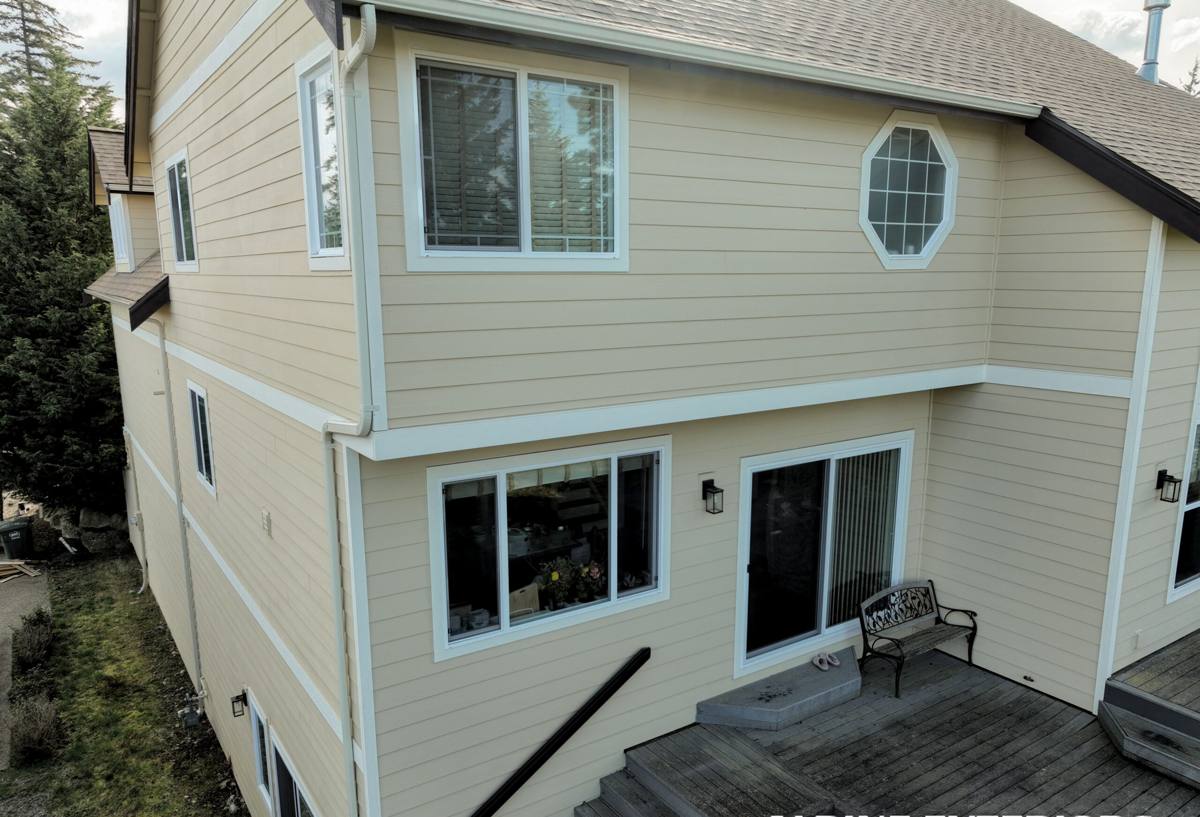
Coquina Key sits on the water, and that changes the math on outdoor living space. A deck here isn't just furniture for the backyard — it's an exterior structure that sits low to canals or open water, catches salt-laden air off Tampa Bay almost every day of the year, and takes the full brunt of summer storms and hurricane season with nowhere to hide. A deck built to a generic spec, or one installed by a crew that mostly works inland, tends to show problems within a few seasons: fasteners bleeding rust through the boards, fading that doesn't match room to room, boards that cup or gap unevenly, or a substructure that was never really rated for the wind and moisture load it's under. None of that is inevitable. It's a function of material choice and how the deck is actually built, not luck.
What the Climate Actually Does to a Deck Here
Salt Air and Corrosion
Waterfront and near-waterfront properties in St. Petersburg deal with airborne salt whether or not the deck ever gets splashed. Salt accelerates corrosion in anything metal — fasteners, brackets, joist hangers, railing hardware — and it's relentless because it's in the air constantly, not just during storms. A deck that uses the wrong grade of hardware can develop rust streaks and weakened connections well before the decking material itself shows its age.
UV and Board Fade
Pinellas County gets strong, direct sun essentially year-round, not just in summer. UV breaks down the lignin in real wood fast, which is why untreated or under-maintained wood decks gray and splinter within a couple of years. Even decking materials rated for sun exposure vary a lot in how they hold color and resist surface breakdown, and that's a real factor in picking the right product for a spot that gets full sun most of the day.
Wind-Driven Rain, Storms, and Standing Water
Between the rainy season and the real possibility of a tropical system each year, a Coquina Key deck needs to shed water fast and dry out completely between storms. Wind-driven rain gets pushed sideways and underneath railings and boards in ways vertical rain never does, so drainage detailing at the deck surface and in the substructure below matters as much as the decking material on top. A deck that holds water — in low spots, tight seams, or a substructure with no airflow — is a deck that starts rotting or corroding from underneath, often before anything looks wrong from above.
Why We Steer Coquina Key Homeowners Toward Composite
We install wood decking too, and it has its place. But for waterfront and near-waterfront homes in this neighborhood, composite is almost always the more honest recommendation once you weigh what the site actually demands against what each material needs to hold up. The trade-offs are real in both directions, and we'd rather walk through them plainly than oversell either one.
| Factor | Pressure-Treated Wood | Capped Composite |
|---|---|---|
| Salt air / corrosion resistance | Depends entirely on fastener grade and upkeep | Board itself doesn't corrode; still needs coastal-rated hardware |
| UV fade over time | Grays without regular sealing; sealing is an ongoing job | Capped boards resist fading much better; color holds longer with less work |
| Moisture / rot risk | Real risk if sealing lapses or drainage is poor | Core doesn't rot the way wood fiber does |
| Upfront material cost | Lower | Higher |
| Ongoing maintenance | Annual sealing/staining recommended in this climate | Periodic cleaning; no sealing or staining |
| Installation sensitivity | Forgiving of minor gapping errors | Requires correct expansion gaps and fastening; less forgiving of shortcuts |
The honest summary: wood costs less to buy but asks more of the homeowner every year to keep it protected in this climate. Composite costs more upfront and demands more precision from the installer, but it removes most of the ongoing sealing and staining burden that salt air and UV make especially punishing here.
What a Correctly Built Composite Deck Involves
Substructure
The framing underneath is where most deck failures actually start, and it's invisible once the job is done — which is exactly why it can't be where corners get cut. For a waterfront property we spec framing and connectors rated for the wind exposure and moisture conditions of the site, not a generic inland spec. Ledger attachment to the house, post footings, and joist spacing all need to account for local wind load, not just the weight of furniture and people.
Fasteners and Hardware
This is the detail that separates a deck that looks fine for two years from one that looks fine for fifteen. In a salt-air environment, standard galvanized fasteners corrode faster than the wood or composite around them, leading to rust streaking, loosened boards, and weakened joist hangers. We use stainless or coastal-rated fasteners and hardware throughout — not just on the visible top surface — because the connections you never see are the ones that fail first if they're undersized for the environment.
Drainage and Airflow Underneath
A deck built tight to grade or without airflow underneath traps moisture, which speeds up corrosion of hardware and, on any wood framing members, creates rot risk regardless of what the decking surface is made of. Correct builds maintain clearance and slope so water moves off the site instead of pooling under the structure after wind-driven rain.
Board Layout and Expansion Gaps
Composite boards expand and contract with heat and humidity more than most homeowners expect, and Pinellas County's swing between a hot deck surface in direct sun and a cooler, humid evening is significant. Gapping that's too tight causes buckling; gapping that's too loose looks sloppy and traps debris. Getting this right is a matter of following the manufacturer's spec for the specific board width and ambient conditions on install day, not eyeballing it.
Our Process From First Call to Finished Deck
- On-site assessment: we look at the actual site — proximity to water, sun exposure, existing structure if it's a replacement, and any drainage issues — before recommending a product or layout.
- Product and layout selection: we walk through composite board options, color, and railing systems suited to a coastal-adjacent property, with honest trade-offs explained, not just upsold.
- Written estimate: a clear scope covering substructure work, hardware grade, decking, railing, and any permitting, so there are no surprise line items later.
- Permitting: we handle the permit application and coordinate required inspections with the local building department.
- Demo and substructure build (or repair): old decking removed if applicable; framing brought up to a spec appropriate for the site's wind and moisture exposure.
- Composite installation: boards, fasteners, and railing installed to manufacturer spec, including correct expansion gaps and fastening pattern.
- Final walkthrough: we go over the finished deck with you, including basic care guidance specific to the product installed.
Permitting and Code Considerations in St. Petersburg and Pinellas County
Deck construction and replacement in the City of St. Petersburg generally requires a building permit, and waterfront or near-waterfront properties can carry additional review depending on setback, flood zone, and elevation requirements tied to the property's location relative to the water. We pull the permit as part of our process and coordinate inspections, so you're not left figuring out the city's requirements on your own. If your property has a seawall, dock, or is close to a flood zone boundary, that's worth flagging early in the estimate visit — it can affect footing design and post placement even if it doesn't change the decking material itself.
Keeping a Coquina Key Composite Deck Looking Right
Composite decking cuts the maintenance burden compared to wood, but "low maintenance" in a salt-air, high-UV climate still means some upkeep. A simple seasonal routine keeps a composite deck performing the way it should for the long haul:
- Rinse the deck surface periodically to clear salt residue, pollen, and debris — a garden hose is usually enough.
- Sweep or wash off leaves and organic debris promptly so they don't leave shadow staining on the surface.
- Check railing hardware and fasteners once or twice a year for any early signs of corrosion, especially after a named storm.
- Keep gutters and downspouts near the deck clear so runoff isn't dumping extra water onto or under the structure.
- Clear debris from underneath the deck periodically to keep airflow and drainage working as designed.
- Avoid pressure-washing at close range or high PSI, which can damage the cap layer on composite boards over time.
What Drives the Cost
Every deck is priced from the actual site conditions and scope, not a flat rate, but the main cost drivers are consistent from job to job. We'll walk through all of these during the estimate, but knowing them ahead of time makes for a more useful conversation.
| Cost Factor | Why It Matters |
|---|---|
| Deck size and shape | More square footage and more cuts/angles increase material and labor |
| Substructure condition | New framing versus reusing sound existing framing changes scope significantly |
| Height and access | Elevated decks and difficult access sites take more labor and hardware |
| Board tier and color | Composite lines vary in price by capping style and color technology |
| Railing system | Composite, aluminum, or cable railing carry different material and install costs |
| Permitting and inspections | Included in scope, but complexity varies with site conditions like flood zone or setbacks |
Why Hiring a Crew That Already Works Coquina Key Matters
A lot of what separates a deck that holds up here from one that doesn't isn't visible on the day it's finished — it's in fastener grade, framing spec, drainage detailing, and permit handling for a specific kind of site. A crew that regularly works this neighborhood already knows what proximity to the water does to hardware over time, what the City of St. Petersburg's permitting process actually requires, and how a deck here needs to be detailed differently than one built ten miles inland. That's not something you get from a generic decking crew working off a one-size-fits-all spec sheet — it comes from having built and revisited decks in this exact environment.
If you're planning a new composite deck or need to replace an aging one on Coquina Key, we're happy to come take a look and give you a straight, no-pressure estimate. There's no cost or obligation to have us walk the site and talk through what your specific property actually needs — just fill out the form below to get started.