 St. Petersburg Window
 Barrier Island Siding Takes a Different Kind of Beating
St. Pete Beach sits on a narrow strip of land with the Gulf of Mexico on one side and Boca Ciega Bay on the other, which means every exterior surface on every home here is dealing with conditions that inland Pinellas County houses simply don't see to the same degree. Salt-laden air moves through the neighborhood constantly, not just during storms. Combine that with some of the most intense year-round UV exposure in the continental United States, wind-driven rain that comes in sideways off the Gulf, and the real possibility of hurricane-force winds during storm season, and you have a siding environment that punishes cheap materials and sloppy installation faster than almost anywhere else in Florida.
Siding on a St. Pete Beach home isn't just cosmetic. It's the layer standing between your framing and a coastal climate that never really lets up. When it's the right material, installed correctly, it holds up for decades. When it isn't, homeowners here tend to find out within a few years, not a few decades.
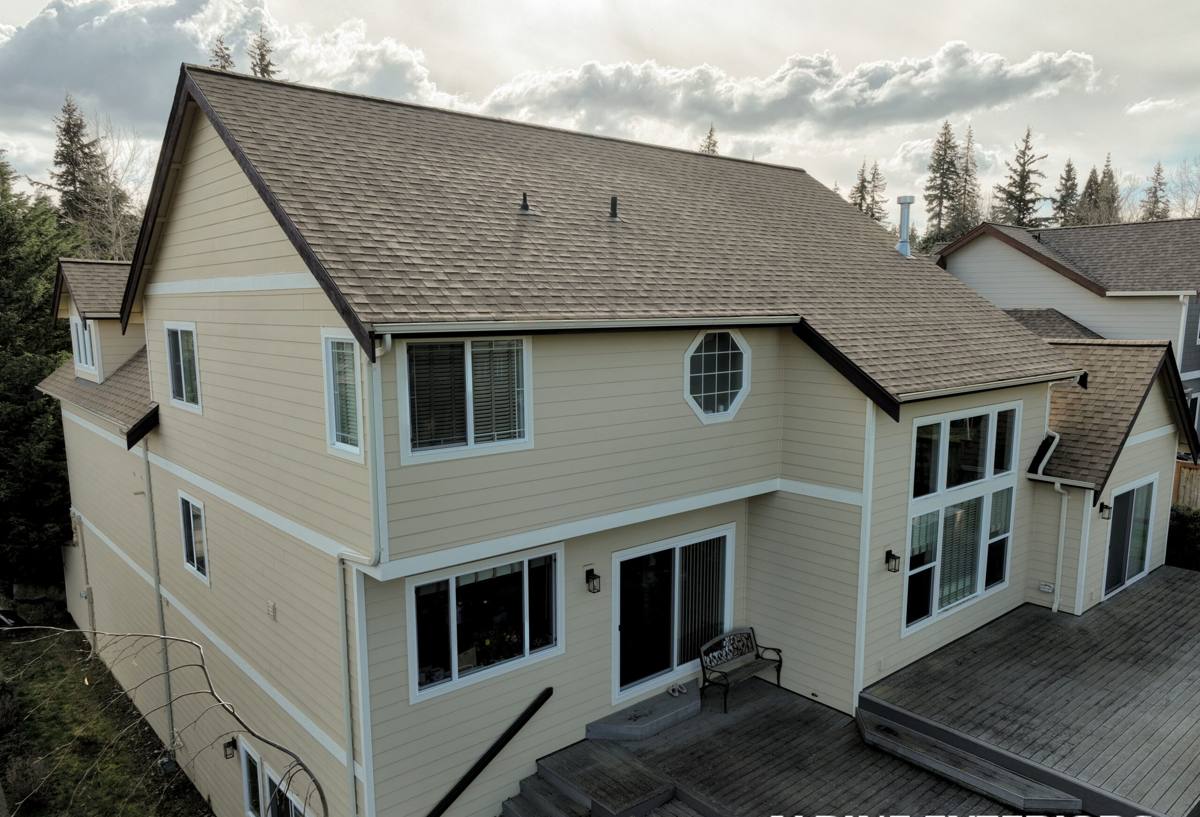
How Coastal Conditions Actually Damage Siding
Salt Air and Corrosion
Airborne salt doesn't just sit on the surface — it works into seams, fastener heads, and any place where two materials meet. On siding types that rely on paint film or laminate coatings for protection, salt exposure accelerates the breakdown of that surface layer, which is usually the first thing to fail. Fasteners and trim hardware that aren't corrosion-rated for coastal use can also start showing rust streaks and weakening well before a homeowner expects any maintenance to be needed.
UV Degradation
Florida sun is relentless, and a west- or south-facing wall in St. Pete Beach gets hammered by UV for most of the day, most of the year. Cheaper paints and some engineered wood coatings chalk, fade, or become brittle under that kind of exposure. Once a protective coating starts to break down, whatever's underneath — wood fiber, OSB substrate, or bare fiber cement — is exposed to moisture it was never meant to handle directly.
Wind-Driven Rain
Rain that falls straight down is a manageable problem for any competent siding system. Rain that's being pushed sideways by 40-60 mph gusts is a different story — it finds gaps in flashing, lap joints, and butt seams that would never see water in a calmer climate. This is why installation detail matters as much as the siding material itself on a barrier island: a great product installed with sloppy flashing will still let water in.
Hurricane and Tropical Storm Wind Loads
Pinellas County sits in a high-wind coastal zone, and St. Pete Beach's exposure to open water pushes that further. Siding here needs to be rated and fastened to hold up under sustained hurricane-force gusts, not just look good on a calm day. This affects everything from the fastening schedule to the type of starter strip and trim used at corners and openings.
Signs Your St. Pete Beach Home Needs Siding Replacement
Not every siding problem means a full replacement, but on the beach, warning signs tend to escalate faster than inland. Homeowners should treat any of the following as a reason to get a professional opinion rather than wait:
- Soft or spongy spots when you press on the siding, especially near the bottom courses or around windows and doors
- Visible cracking, buckling, or warping panels, particularly on Gulf-facing or south-facing walls
- Paint that's peeling, bubbling, or chalking off on your hand when you wipe it
- Rust streaks running down from fastener heads or trim hardware
- Gaps opening up at seams, corners, or where siding meets window and door trim
- A musty smell or visible mold/mildew staining that keeps coming back after cleaning
- Rising energy bills that can't be explained by anything else — often a sign moisture or gaps are compromising your wall assembly's insulation
If you're seeing two or more of these at once, it's usually a sign the siding system as a whole — not just a panel or two — has reached the point where patching won't hold up through another storm season.
What a Correct Siding Replacement Actually Involves
A siding replacement is not just pulling old panels off and nailing new ones up. On a coastal property like this, the parts you don't see matter as much as the finished look:
Tear-Off and Substrate Inspection
Every old panel comes off so the sheathing underneath can be inspected. This is often the first time a homeowner learns whether there's hidden rot, mold, or water damage behind the old siding — problems that get addressed and repaired before anything new goes up, not covered over.
Weather-Resistive Barrier
A properly lapped and sealed weather-resistive barrier goes over the sheathing. This is the drainage plane that manages any moisture that gets past the siding itself, and on a barrier island where wind-driven rain is a regular occurrence, getting the laps, seams, and penetrations right here is not optional.
Flashing at Every Penetration
Windows, doors, vents, hose bibs, light fixtures — every single penetration through the wall needs proper flashing integrated with the weather barrier. This is where most siding failures on coastal homes actually start, and it's also the step that's easiest for a rushed crew to shortcut.
Corrosion-Resistant Fasteners
Coastal installs call for fasteners rated for salt-air exposure. Using standard interior-grade fasteners on a St. Pete Beach home is a short-term shortcut that shows up as rust streaks and loosening panels within a couple of years.
Manufacturer-Spec Fastening Pattern
Fiber cement siding has a specific nailing pattern and clearance requirements to meet its wind rating. Fastening too loose, too tight, or in the wrong spot doesn't just void the warranty — it genuinely weakens the wall's wind resistance.
Why We Install Only James Hardie Fiber Cement
We don't install vinyl, LP SmartSide, primed wood, or other fiber cement brands, and on a project in St. Pete Beach specifically, that standard matters more than almost anywhere else we work. Vinyl softens and can distort in sustained high heat and UV, and it's not the strongest option in high-wind coastal zones. Engineered wood products rely on a coating and resin system that can be more sensitive to sustained moisture exposure if a seam or cut edge isn't sealed exactly right — a bigger risk on a barrier island than inland.
James Hardie fiber cement is non-combustible, dimensionally stable in heat and humidity, and Hardie's HZ10 product line is specifically engineered for hot, humid, high-moisture climates like ours. The factory-applied ColorPlus finish is baked on and warrantied against fading and peeling, which matters enormously under Florida's UV load — it's not a field-applied paint job that a homeowner has to plan on repainting. It also carries a strong transferable warranty, which is meaningful if you ever sell the home. We put it on homes here because it's the product we're confident will still be doing its job fifteen and twenty-five years from now, not just at the final walkthrough.
Our Siding Replacement Process
- On-site assessment: We walk the exterior, check for soft spots and hidden damage, and talk through what we're seeing with you directly.
- Written estimate: A clear scope and price, including tear-off, substrate repair allowances if needed, and the Hardie product and profile we recommend for your home.
- Permitting: We handle the permitting through the City of St. Pete Beach and Pinellas County, including anything tied to the wind zone requirements for your address.
- Tear-off and inspection: Old siding comes off, sheathing gets inspected, and any rot or damage is repaired before we move forward.
- Weather barrier and flashing: Installed and integrated at every window, door, and penetration.
- Hardie installation: Panels, fasteners, and trim installed to manufacturer spec and the fastening schedule appropriate for your wind exposure.
- Final walkthrough: We go over the finished job with you before we consider it done.
What Affects the Cost of a Siding Replacement
Every home is different, but these are the main factors that move the price on a St. Pete Beach siding replacement:
| Factor | Why It Matters |
|---|---|
| Home size and wall complexity | More square footage and more corners, gables, and dormers mean more material and labor |
| Substrate condition | Hidden rot or water damage found during tear-off adds repair scope before new siding goes up |
| Hardie product line | HardiePlank lap siding, HardieShingle, and HardiePanel carry different material costs |
| Trim and accessory work | Corner boards, window trim, and soffit/fascia work add to the scope beyond field siding |
| Color and finish | Factory ColorPlus finishes and custom color-matching can affect material cost |
| Access and site conditions | Tight lots, elevated homes, and proximity to water can affect staging and labor |
We don't quote a number until we've actually seen the home, but we'll walk you through where your money is going and why, factor by factor.
Why It Matters That We Already Work St. Pete Beach
A crew that's unfamiliar with barrier island conditions tends to treat every job the same way they would inland — same fastener grade, same flashing detail, same assumptions about wind exposure. That's how coastal homes end up with siding that looks fine at the walkthrough and starts failing within a few storm seasons.
Working in St. Pete Beach regularly means we already know the local permitting process with the city and Pinellas County, we know what wind zone requirements apply to homes in this area, and we've seen firsthand how salt air, sun, and storms affect siding on this specific stretch of coastline over time. That local track record shapes how we spec every job here, from fastener selection to flashing detail, before the first panel ever goes up.
Caring for Your New Siding Long-Term
James Hardie siding installed correctly is low-maintenance, not zero-maintenance. A simple annual routine keeps it performing the way it's designed to on a coastal property:
- Rinse the exterior with a garden hose once or twice a year to clear off salt residue and airborne debris
- Inspect caulking around windows, doors, and trim annually and have any cracked or missing sections resealed
- Trim back landscaping so it isn't holding moisture against the siding or scraping the surface
- Walk the exterior after any major storm and note anything that looks off — cracked panels, loose trim, gaps at seams
- Avoid pressure washing directly at seams and edges, which can force water behind the siding
If your St. Pete Beach home's siding is showing its age, or you just want an honest opinion on whether it's a repair or a replacement situation, we're glad to come take a look. The estimate is free, there's no pressure, and you'll get a straight answer about what your home actually needs — just fill out the form below to get started.