 St. Petersburg Window
 Building New in Shore Acres: What the Climate Actually Demands
Shore Acres sits in one of the more water-exposed pockets of St. Petersburg — a canal-laced, low-lying neighborhood close to Tampa Bay. If you're building new here, whether it's a full custom home, a knockdown-rebuild, or a room addition, the windows you choose and how they go in matter more than they would a few miles inland. You're dealing with the same statewide pressures every Pinellas County project faces — hurricane-force wind loads, intense year-round UV, and wind-driven rain — plus the added factor of salt-laden air moving in off the bay. That combination doesn't mean you need exotic products. It means the basics — correct wind-load rating, correct flashing, correct hardware finish — have to be done right the first time, because this isn't a neighborhood where marginal work ages well.
New construction gives you an advantage replacement projects don't have: the wall is open, the rough openings are being framed to spec, and the window package can be planned alongside the house instead of retrofitted into it later. That's the whole case for getting it right at this stage — corrections after drywall and stucco are far more disruptive and expensive than getting the opening, the flashing, and the glass spec correct while the structure is still exposed.
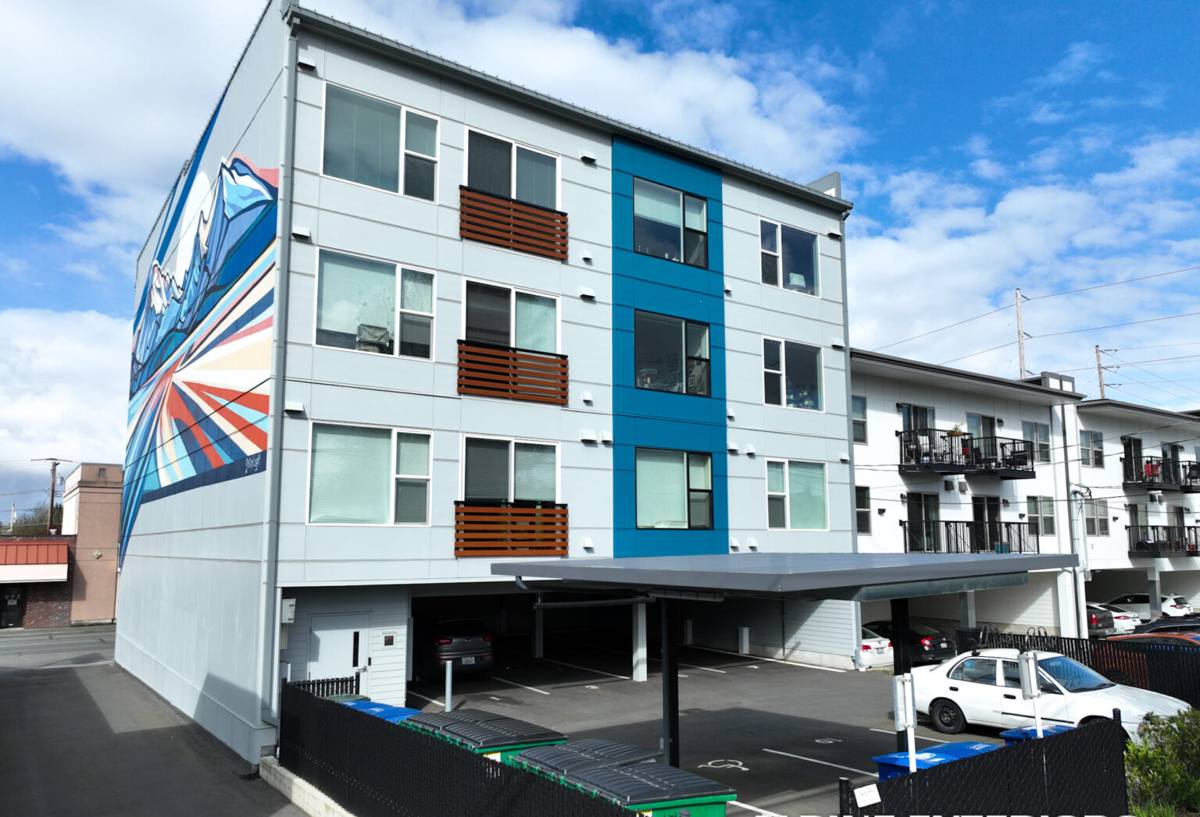
New-Construction Windows vs. Replacement Windows: Why the Difference Matters
These are not interchangeable products, and using the wrong one on a new build creates problems that don't show up until the first real storm. New-construction windows have a nailing (or flange) fin around the perimeter that gets fastened directly to the framing and integrated into the wall's water-resistive barrier before exterior finish goes on. Replacement or "pocket" windows are built to slide into an existing, finished opening without disturbing the exterior wall — they trade some structural integration for a non-invasive install. On a new build, that structural integration is exactly what you need.
| Factor | New-Construction (Nail-Fin) Window | Replacement (Pocket) Window |
|---|---|---|
| Installation stage | Before exterior finish, into open framing | Into an existing finished wall |
| Water management | Flange integrates with house wrap/flashing tape | Relies on old frame and sealant only |
| Structural attachment | Fastened through fin to framing, full perimeter | Fastened through existing jamb |
| Best use | New homes, additions, full wall rebuilds | Swapping windows in an unchanged wall |
| Wind/impact performance | Rated as a full assembly with the rough opening | Depends partly on the condition of the old frame |
If your project is truly new construction — new framing, new rough openings — you want the nail-fin product installed as part of the wall assembly, not a pocket unit forced into a role it wasn't built for.
Florida Building Code and Wind Requirements in Pinellas County
Design pressure and product approval
Pinellas County falls outside the state's High-Velocity Hurricane Zone (that's Miami-Dade and Broward), but it's still governed by the Florida Building Code's wind-borne debris and wind-load provisions for its coastal exposure category. In practice, that means every window on a new build needs a Florida Product Approval (or Miami-Dade NOA where used) rated for the design pressure your specific opening requires — which varies by wall height, roof line, and how exposed that elevation is to open water. A canal-front or bay-facing elevation in Shore Acres can carry a meaningfully higher pressure rating than a sheltered interior wall of the same house.
Impact glass vs. shutters
New construction gives you the cleanest opportunity to go with impact-rated glass instead of code-minimum glass plus separate shutters. Impact glass costs more up front but removes the shutter-deployment step entirely, keeps the opening protected even when nobody's home to put panels up, and typically qualifies for wind-mitigation insurance credits. On a new build we usually recommend spec'ing it from the start rather than building in shutter tracks and hardware you may end up wanting to remove later.
Getting the Installation Right the First Time
The flashing sequence is the job
The window unit itself is only part of what keeps a wall dry. The sequence matters just as much: house wrap or building paper lapped correctly, sill pan flashing to direct any water that gets past the frame back out instead of into the wall cavity, flashing tape integrated over the fin in the correct shingle-lap order, and a proper bead of sealant at the right points — not everywhere, which traps water instead of shedding it. Skipping or reversing any step in that sequence is the single most common cause of window-related water intrusion in coastal Florida construction, and it's invisible from the outside until there's damage inside the wall.
Where new-construction installs commonly go wrong
- Fasteners driven through the fin at the wrong spacing or into the wrong substrate, leaving the unit under-attached for its rated wind pressure
- Sill pan flashing skipped or improvised, so incidental water has nowhere to drain but into the framing
- Flashing tape lapped in the wrong order, directing water behind the barrier instead of over it
- Sealant used as the primary water barrier instead of a backup to proper flashing
- Rough openings cut out of square or out of the size tolerance the window manufacturer specifies
- Hardware and fasteners that aren't corrosion-resistant, which fail early in salt-air exposure
Material and Glass Choices for a Bay-Adjacent Neighborhood
Salt air accelerates corrosion on any exposed metal hardware, hinges, and fasteners — it's a slower process than a direct oceanfront lot but it's real for any home within a few blocks of open water, which describes much of Shore Acres. That's a factor in both frame material and hardware spec, not just glass. Vinyl frames don't corrode and hold up well against UV without repainting, which is why they're a common choice on new coastal builds. Aluminum frames are strong and slim-profile but need corrosion-resistant coatings and hardware to hold up long-term this close to the bay. Whichever frame material fits your home's design, the fasteners, hinges, and locking hardware should be spec'd for coastal exposure — not just whatever ships standard with a given window line.
On glass, low-E coatings cut the summer heat gain that Florida's UV load puts on a home year-round, which matters for both comfort and cooling costs. Combined with impact-rated laminated glass, you get a window that's doing three jobs at once: blocking wind-borne debris, cutting UV and heat transfer, and holding up structurally in a wind event — without needing separate shutter hardware bolted to the exterior.
Our Process for New-Construction Projects in Shore Acres
We work new-construction window packages as a coordinated part of the build, not a standalone trade dropped in whenever it's convenient. That means syncing with the general contractor's framing schedule so rough openings are checked before we're ready to set units, confirming product approvals match the permit set for each elevation's design pressure, and inspecting flashing at the point in the build where it's still visible and correctable.
- Review the plan set and confirm window schedule matches required design pressures by elevation
- Verify rough openings against manufacturer tolerances before delivery
- Confirm product approvals and impact ratings are documented for permit and inspection
- Install with sill pan flashing, correctly lapped flashing tape, and full fin fastening per manufacturer spec
- Coordinate timing with the GC so installation happens at the right point in the wall sequence, not rushed around other trades
- Walk the finished openings before exterior finish closes them up, so nothing gets covered before it's checked
Because we work regularly in this part of St. Petersburg, we already know the general character of Shore Acres lots — narrow canal frontage, elevation and flood-zone considerations that often mean homes are built up on stem walls or piers, and the practical realities of staging material and equipment on tighter waterfront lots. That's less relearning on your project and fewer surprises mid-build.
Cost Factors for a New-Construction Window Package
Pricing a whole-house new-construction window package depends on more variables than a single replacement window quote, so we won't put a number on it without seeing your plans — but these are the factors that actually move the price:
| Factor | Why It Affects Cost |
|---|---|
| Design pressure rating required per elevation | Higher-rated units and heavier glass cost more than code-minimum on sheltered walls |
| Impact glass vs. code glass plus shutters | Impact glass has a higher unit cost but removes shutter hardware and labor |
| Frame material (vinyl vs. aluminum vs. impact-rated composite) | Material and coating choices affect both price and long-term coastal durability |
| Number and size of openings | Larger units and specialty shapes (picture windows, large sliders) cost more per square foot |
| Site access and lot conditions | Tighter canal lots can mean more careful staging and handling for large glass units |
| Coordination complexity | Tighter build schedules or phased framing can affect labor sequencing |
We'll walk your plan set with you and give a straightforward, itemized quote rather than a single lump number — you should know what you're paying for each opening, not just a total.
Why a Local Crew That Already Works Shore Acres Matters
A window crew that's worked this neighborhood before isn't guessing at what a canal-front or bay-adjacent lot in St. Petersburg throws at a new build. We know the design pressures Pinellas County inspectors expect to see documented, we know what salt air does to hardware over a few years if it isn't spec'd correctly the first time, and we know how to sequence a flashing detail so it actually sheds wind-driven rain instead of trapping it. That local familiarity shows up less in any single dramatic decision and more in a dozen small ones — fastener spacing, flashing lap order, hardware finish — that add up to a window package that's still performing correctly a decade from now instead of one that needs revisiting after the first bad storm season.
If you're planning a new build, addition, or full rebuild in Shore Acres, we're happy to look at your plans and talk through the window package before you're locked into a spec. Reach out for a free, no-pressure estimate using the form below.