 St. Petersburg Window
 Windows Built for What Shore Acres Actually Deals With
Shore Acres sits close to the water on the northeast side of St. Petersburg, and that location shapes what a window has to survive here. This isn't a neighborhood where you can install whatever's cheapest at the box store and expect it to hold up. Between tropical-storm and hurricane season, near-constant sun, and salt-laden air coming off the bay, windows in this part of Pinellas County take more abuse per year than windows almost anywhere inland. A custom window job done right accounts for all of that from the start — not as an upsell, but because it's what actually keeps water and wind out and keeps the frame from degrading in five years instead of twenty.
This page covers what we look at when we quote custom windows for Shore Acres specifically: the climate factors, the product choices that make sense here, how our process works, and what to check before you hire anyone for this kind of work.
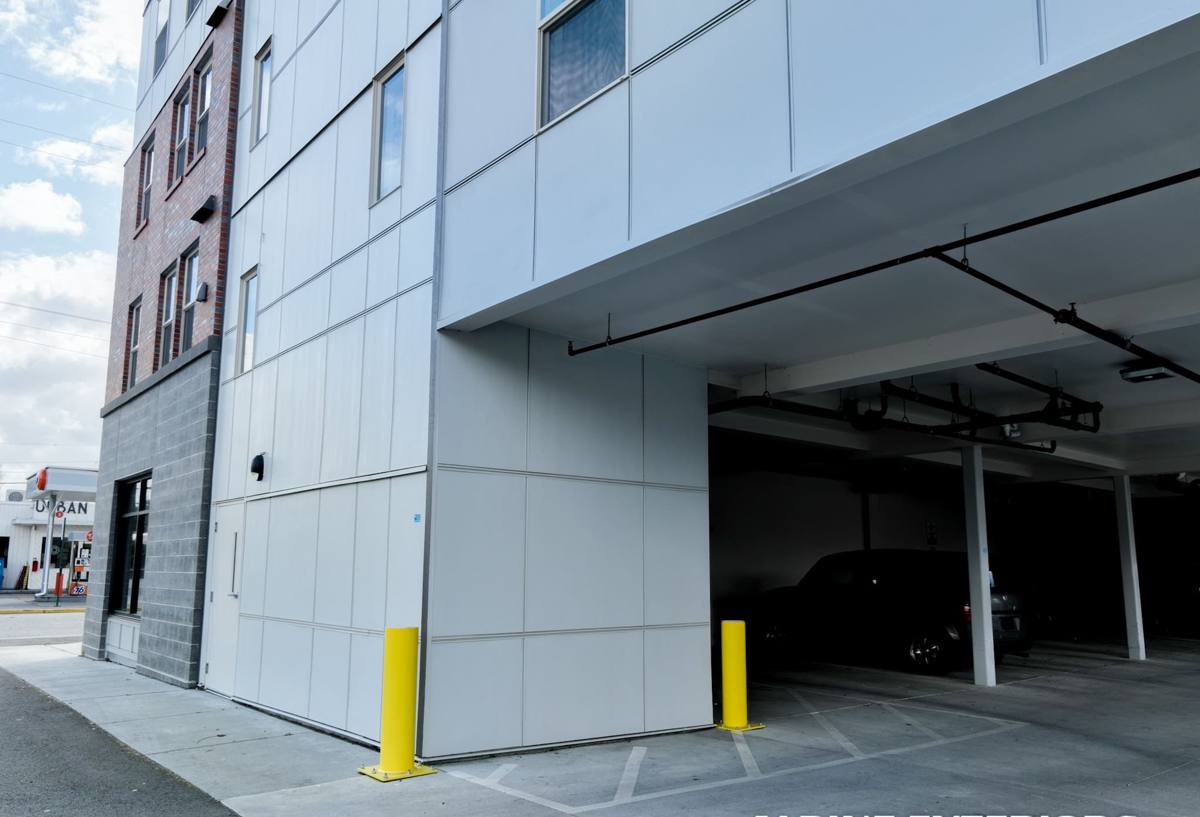
What This Coastline Does to a Window Over Time
Hurricane-Force Wind and Wind-Driven Rain
Pinellas County sits in a wind-borne debris region, which means window and door assemblies here have to meet a higher pressure and impact standard than what's required a hundred miles inland. It's not just about the glass surviving a direct hit from debris — it's about the whole assembly, frame included, holding its seal when wind is driving rain sideways into the wall for hours. A window that isn't rated and installed correctly for that condition doesn't usually fail catastrophically the first year. It fails slowly, through water intrusion around the frame that you don't see until there's damage behind the wall.
Salt Air and Corrosion
Being close to the water means airborne salt settles on everything, including window hardware, screws, and frame components. Cheaper fasteners and hardware corrode faster in this environment, which is why the specific hardware package on a window matters as much as the glass. We spec corrosion-resistant fasteners and hardware for anything going into a Shore Acres home, not because it's required everywhere, but because it's cheap insurance against a callback in three years.
Year-Round UV Exposure
Florida sun is hard on window frames and glass seals even when nothing dramatic is happening weather-wise. UV breaks down lesser-grade vinyl and degrades sealant faster than in most of the country. Low-E glass coatings and UV-stabilized frame materials aren't just an energy-bill talking point here — they're what keeps a window looking and performing the same in year ten as it did in year one.
What "Custom" Actually Means for This Job
A lot of homes in this part of St. Petersburg were built decades before current window sizing and construction standards existed. Openings are often not the standard dimensions you'd find in a new-construction home, and stucco or block wall assemblies around older openings can have their own quirks. "Custom" here means:
- Field-measuring every opening individually rather than assuming standard sizes
- Matching sight lines and grid patterns across a home so replacement windows don't look mismatched next to originals you're keeping
- Accounting for stucco, block, or wood-frame wall construction differently — they don't flash and seal the same way
- Selecting frame depth and reinforcement based on the actual opening condition, not a generic spec sheet
- Coordinating color and finish so new windows read as original to the house, not as an obvious retrofit
Skipping this step is how you end up with windows that technically fit but leave gaps that get shimmed and caulked instead of properly flashed — which is exactly where wind-driven rain finds its way in.
Impact-Rated vs. Standard Windows: What Actually Applies Here
Florida Building Code sets minimum wind-load and impact requirements based on location, and Pinellas County's wind-borne debris designation affects what's allowed in new installations. Here's the honest breakdown of the two paths homeowners in Shore Acres usually choose between:
| Factor | Impact-Rated Windows | Standard Windows + Separate Protection |
|---|---|---|
| Storm protection | Built into the glass and frame assembly | Relies on shutters or panels installed separately before a storm |
| Day-to-day use | No action needed before storms | Requires putting up protection each time a storm is forecast |
| Upfront cost | Higher per window | Lower per window, but shutters/panels add cost separately |
| Insurance impact | Often qualifies for windstorm mitigation credits | Credit depends on the separate protection system installed |
| UV and noise performance | Laminated glass also cuts UV transmission and outside noise | Standard glass alone doesn't add this benefit |
| Code compliance | Meets wind-borne debris requirements on its own | Must be paired with an approved protective system to comply |
Neither option is wrong in every case — some homeowners already have a shutter system they're happy with and just want new windows. But if you're replacing windows anyway, most Shore Acres homeowners find that going impact-rated once is simpler than maintaining two separate systems for the life of the house.
Frame Material: What Holds Up Near the Water
| Material | How It Holds Up Here | Trade-Offs |
|---|---|---|
| Vinyl (quality-grade) | Won't corrode from salt air; good insulator; UV-stabilized versions resist fading | Lower-grade vinyl can warp or yellow under intense sun over time |
| Aluminum | Strong, slim sightlines, common in Florida coastal construction | Conducts heat/cold more than vinyl; needs a good thermal break and quality coating to resist corrosion |
| Fiberglass | Very stable in heat, resists warping and corrosion well | Higher upfront cost than vinyl |
| Wood / wood-clad | Classic look, works for historic-style homes | Highest maintenance burden in humid, salt-air conditions; needs regular upkeep to avoid rot |
We don't push one material as the only answer. What we do is size the recommendation to the specific house — a canal-front home taking direct salt spray gets a different recommendation than a home a few blocks back. We'll walk you through the honest trade-offs for your specific situation rather than defaulting to whatever's easiest to install.
How Our Process Works
- On-site assessment. We look at existing window condition, wall construction, and any signs of water intrusion or frame damage before recommending anything.
- Field measurement. Every opening is measured individually — no assuming standard sizes on a home this age.
- Product selection. We go over impact rating requirements, frame material, glass package, and finish options based on your home and budget, not a one-size pitch.
- Permitting. Window replacement in the City of St. Petersburg typically requires a permit, and impact-rated products need to meet current Florida Building Code approvals. We handle this so you're not tracking down inspections yourself.
- Installation. Proper flashing and sealing around each opening, correct fastener spacing and hardware for wind load, and cleanup before we leave.
- Final inspection. We confirm the job passes inspection and walk you through operation and care before we consider the job finished.
Signs Your Current Windows Are Already Losing the Fight
- Frames that feel soft, chalky, or show visible pitting near the hardware
- Water staining or discoloration on the wall or sill below a window after heavy rain
- Windows that are noticeably harder to open, close, or lock than they used to be
- Visible daylight or a draft around the frame when the window is closed
- Foggy or cloudy glass between panes, which means the seal has failed
- Noticeably higher cooling bills without any other explanation
- Single-pane or older aluminum-frame windows original to a mid-century home with no impact rating
Any one of these on its own isn't necessarily an emergency. Several of them together, especially on a home that's taken a few storm seasons of direct wind and salt exposure, usually means it's time to actually compare replacement against continuing to patch.
Why Hiring a Crew That Already Works This Neighborhood Matters
Window installation quality comes down to details that don't show up in a sales brochure — how the flashing integrates with your specific wall assembly, whether the crew understands how stucco or block construction in this part of St. Petersburg behaves around an opening, and whether they've actually pulled permits with the City before. A crew that's worked in Shore Acres and the surrounding St. Petersburg neighborhoods has already seen the common construction patterns, the typical opening conditions, and what the local permitting process expects. That experience shows up as fewer surprises mid-job and a install that's sealed correctly the first time, not one that needs a callback after the next storm.
It also matters for something less obvious: matching new windows to a home's existing character. Shore Acres has a real mix of home styles and eras, and a contractor unfamiliar with the area is more likely to push a generic product that technically works but looks out of place. Local experience means recommendations that fit the house, not just the opening.
Keeping New Windows Performing Long-Term
Even a correctly installed, quality window benefits from basic upkeep in this climate. Rinse frames and tracks periodically to clear salt residue, especially on homes closer to the water. Check weep holes for debris so water drains properly instead of pooling. Inspect exterior caulking and sealant lines once a year, since UV exposure breaks down sealant faster here than in milder climates. None of this is heavy maintenance, but skipping it shortens the life of even a good product.
Get a Straight Answer for Your Home
Every home in Shore Acres is a little different — age, construction, sun exposure, and proximity to the water all change what makes sense. Rather than guess from a brochure, we'll come look at your windows, explain what condition they're actually in, and give you options at different price points with the trade-offs laid out honestly. There's no pressure and no obligation — fill out the form below for a free estimate.