 St. Petersburg Window
 Why Roser Park Homes Need Siding Built for This Climate
Roser Park sits close enough to Tampa Bay that every part of a home's exterior is doing constant, quiet work against the weather. Hurricane-force winds test how well siding is fastened and lapped. Year-round UV breaks down pigments and surface coatings faster than almost anywhere else in the country. Wind-driven rain finds every gap in flashing and trim. And salt air, carried in off the water, accelerates corrosion in fasteners and speeds up the breakdown of anything that isn't built to handle it. None of this is unique to Roser Park, but it's a bigger factor here than it is for a home a few hundred miles inland, and it's why siding material and installation quality matter more in St. Petersburg than in most of the country.
The practical result is that siding choices which perform fine in a mild climate often show problems here within a handful of years: fading, swelling, cracking at the seams, or moisture getting behind the panels and doing damage you can't see until it's expensive. A siding job done right in this neighborhood has to be evaluated against Pinellas County's climate specifically, not against a national average.
Roser Park's Housing Mix Adds Its Own Considerations
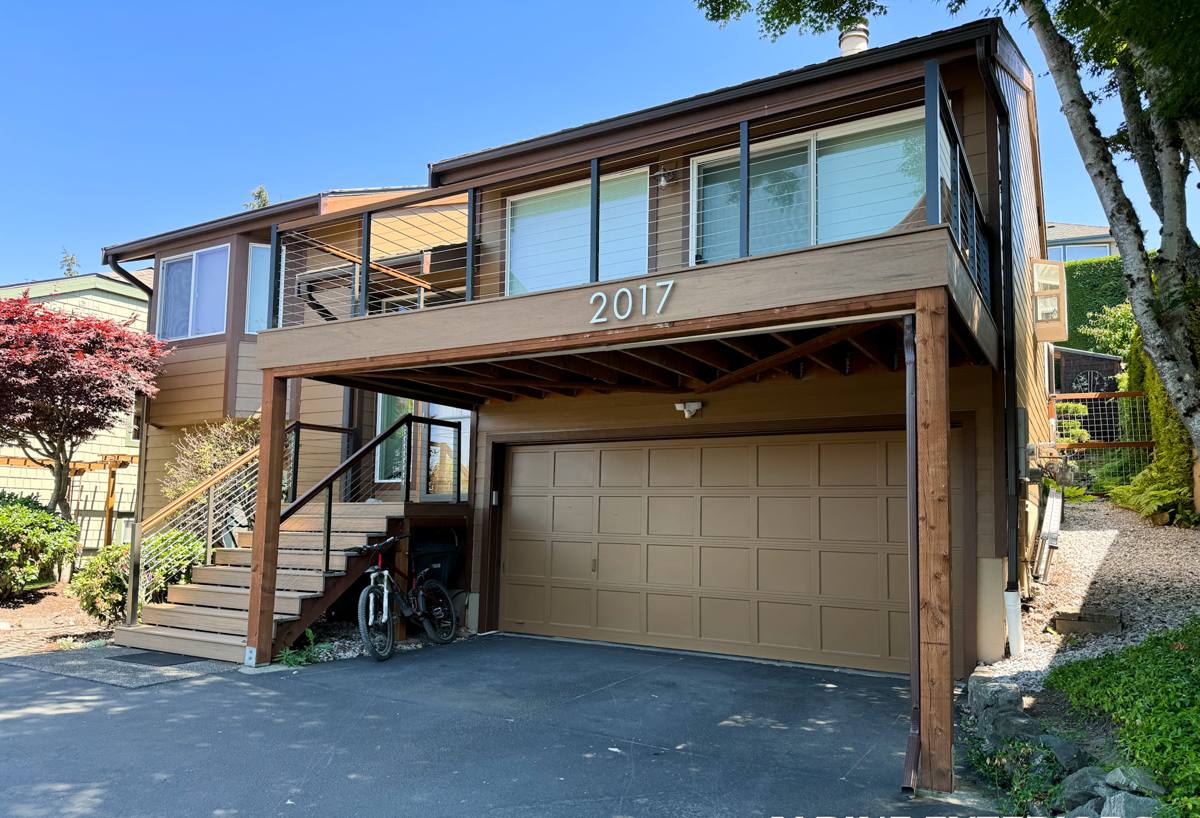
Like many of St. Petersburg's older, established neighborhoods, Roser Park has a mix of home ages and styles — a number of vintage bungalow and craftsman-era homes alongside more recently built or renovated properties. Older wood-frame construction here often has its own quirks: settling, uneven wall lines, older trim details, and sometimes previous siding or repair work that wasn't done to current standards. Any of that changes how a new siding job needs to be approached.
On an older home, a contractor has to look past the surface and check what's happening underneath — the condition of the sheathing, whether there's existing moisture damage, how the home was originally trimmed out around windows and doors, and whether the structure has settled in ways that affect how new siding will lay. Skipping that step and just installing over what's there is one of the most common ways a siding job fails early, regardless of what material goes on top.
What We Check Before We Quote a Job
- Condition of the existing wall sheathing and any signs of past moisture intrusion
- Current flashing at windows, doors, and rooflines
- Whether trim, fascia, and soffit details need to be matched or updated
- Any settling or structural irregularities that affect a flat, consistent installation
- Existing ventilation behind the wall assembly
Why We Install Only James Hardie Fiber Cement Siding
We made a decision as a company to install James Hardie fiber cement siding exclusively, and not vinyl, not LP SmartSide, not Cemplank, not Allura, not primed spruce or cedar. That's not a marketing position — it's a professional standard we hold because of what we've seen these materials do, or fail to do, in a Gulf Coast climate over time.
Vinyl siding is inexpensive and easy to install, and for a lot of the country it's a perfectly reasonable choice. In this climate, it softens and can warp under sustained heat, its color fades faster under intense UV exposure, and it's more vulnerable to cracking and blow-off in high wind events because of how it's fastened to the wall. Engineered wood products like LP SmartSide use a wood-strand core that performs well when it's kept dry, but wood-based cores are inherently more sensitive to sustained moisture exposure than a cement-based product — and moisture exposure is not a rare event here, it's a yearly cycle. Primed wood siding (spruce, cedar) requires the most ongoing maintenance of any option — repainting, caulking, and moisture monitoring on a schedule most homeowners don't want to keep up with, especially with salt air accelerating coating breakdown.
Fiber cement, and James Hardie specifically, is non-combustible, dimensionally stable in heat and humidity swings, and manufactured with factory-applied ColorPlus finishes engineered to hold color and resist fading far longer than field-applied paint. Hardie also builds region-specific product lines — including an HZ5 formulation suited to areas with more moisture and humidity cycling, which describes Pinellas County well. We'd rather install one product system correctly than offer several options where some are more likely to disappoint a homeowner five or ten years down the road.
How Siding Materials Compare for This Climate
| Factor | James Hardie Fiber Cement | Vinyl | LP SmartSide | Primed Wood (Cedar/Spruce) |
|---|---|---|---|---|
| Wind/impact resistance | High, engineered fastening system | Moderate, can crack or blow off | Moderate | Moderate, prone to splitting |
| Moisture tolerance | High, cement-based core | High but traps moisture behind panel | Lower, wood-strand core | Lowest, natural wood |
| UV/color retention | High, factory ColorPlus finish | Moderate, fades and chalks over time | Moderate, needs repainting | Low, requires frequent repainting |
| Fire resistance | Non-combustible | Combustible | Combustible | Combustible |
| Typical maintenance | Low | Low | Moderate | High |
What a Correct Installation Actually Involves
The material is only half the equation. Fiber cement siding fails prematurely almost exclusively because of installation mistakes, not because the product itself gave out. Manufacturer specifications exist for a reason, and in a wind- and moisture-heavy climate, following them isn't optional.
Key Installation Details We Follow
- Correct weather-resistive barrier installed and lapped properly before any siding goes up
- Proper flashing integration at every window, door, and roofline penetration
- Manufacturer-specified fastener type, spacing, and embedment depth for wind zone compliance
- Minimum required clearance between siding and grade, roofing, and decking to prevent wicking
- Correct panel gaps and caulking at joints to allow for expansion without letting water in
- Field-cut edges properly sealed per manufacturer requirements
Any one of these steps done wrong can undo the durability the material is supposed to provide. A panel installed too tight to the ground will wick moisture. A missed flashing detail at a window will let water behind the wall long before anyone notices a problem on the surface. This is where hiring a crew with real Hardie installation experience — not just general siding experience — makes the difference between a job that holds up through hurricane seasons and one that needs rework in a few years.
Our Process for a Roser Park Siding Project
Every job starts with an on-site assessment, not a phone estimate. We walk the exterior, check the condition of what's currently there, and look for the underlying issues mentioned above before we talk about product or price. From there:
- Written estimate based on the actual condition of your walls, not a generic per-square-foot number
- Removal of existing siding and inspection of sheathing, with any needed repairs addressed before new material goes on
- Installation of weather barrier and flashing details to current code and manufacturer spec
- James Hardie panel or plank installation, fastened and finished to manufacturer requirements
- Final walkthrough covering what was done and how to maintain it
Because we work regularly in St. Petersburg and the surrounding Pinellas County neighborhoods, we're familiar with local permitting requirements and the wind-load documentation that's often part of a siding permit here. That familiarity keeps a project from stalling on paperwork that a crew unfamiliar with the area might not anticipate.
Maintenance and Warranty
One of the practical advantages of James Hardie fiber cement is how little upkeep it asks for compared to wood or even vinyl over the long run. It doesn't need repainting on the schedule that raw wood does, and it holds its color and shape through UV and humidity cycling better than most alternatives. Rinsing the exterior periodically to keep salt air residue and pollen from building up, and doing a visual check after major storms, is realistically most of what's needed.
James Hardie backs its products with a transferable limited warranty, and the ColorPlus finish carries its own separate finish warranty. Warranty coverage assumes installation followed manufacturer specifications, which is one more reason installation quality isn't something to shop around on price alone.
Questions to Ask Before You Hire Anyone for Siding Work
- Are you a certified or experienced James Hardie installer, and can you explain your fastening and flashing approach?
- Will you inspect and address the sheathing and moisture barrier, or just install over what's already there?
- What does your written estimate include — removal, disposal, repairs, and permitting?
- How do you handle wind-zone fastening requirements for this part of Pinellas County?
- What warranty applies to the product, and what applies to your labor?
If you're weighing a siding project on a Roser Park home, we're happy to take a look, walk the exterior with you, and give you an honest read on what your home actually needs — no pressure, no generic sales pitch. Reach out for a free estimate using the form below.