 St. Petersburg Window
 Custom Windows Built for Roser Park's Older Homes
Roser Park sits close to downtown St. Petersburg, and like most of the older, established neighborhoods near the bay, its housing stock skews toward homes built well before modern hurricane and energy codes existed. That's not a knock on the neighborhood — it's exactly why custom windows matter here more than in a newer subdivision with cookie-cutter openings. Original window openings in these homes are often out of square, sized to dimensions no big-box manufacturer stocks, and paired with trim, sills, and masonry detail that a stock replacement window will fight against instead of matching.
"Custom" in this context doesn't mean fancy — it means the window is built to the actual opening and the actual house, not the other way around. That matters for fit, for water management, and for how the house looks once the job is done.
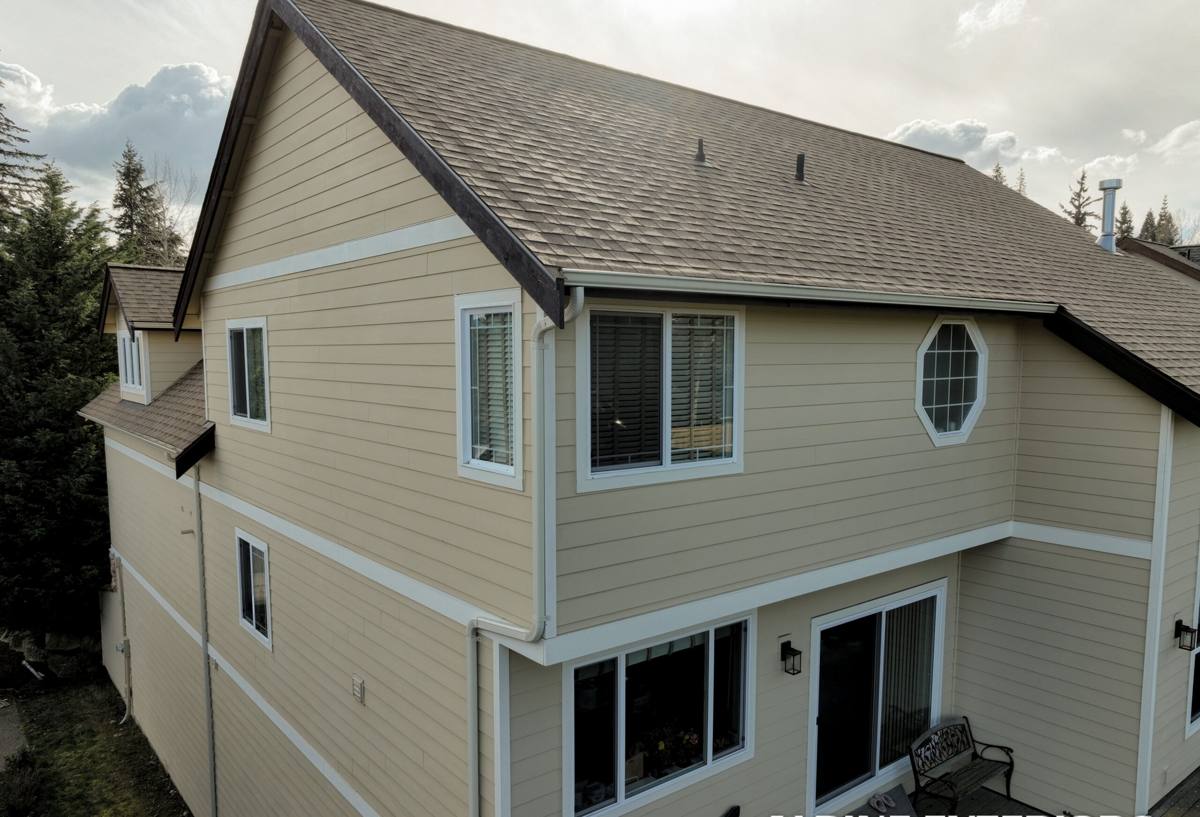
What Pinellas County Climate Does to Windows
St. Petersburg homes take a specific kind of punishment year-round, and windows are one of the first things to show it.
- Hurricane-force wind loads. Pinellas County building code requires windows in most of this area to meet impact or wind-borne debris protection standards. An older window opening wasn't engineered for today's loads, so the replacement unit and its anchoring have to be sized correctly for the opening, not just for the glass.
- Wind-driven rain. Florida storms don't just bring rain — they push it sideways and upward under sills and trim. A window that isn't flashed and sealed correctly will leak long before the frame itself fails.
- Intense, near-constant UV. Frame materials, seals, and low-E coatings all degrade faster here than in most of the country. Vinyl that isn't UV-stabilized will yellow and go brittle years ahead of schedule.
- Salt air. Being close to Tampa Bay means airborne salt corrodes hardware, screws, and unprotected metal components faster than inland installations. Fastener and hardware selection isn't optional detail — it's what determines whether a window still operates smoothly in ten years.
Any one of these on its own is manageable. All four hitting the same window, every year, is what separates a Florida-grade install from a window that was simply "put in."
Why Off-the-Shelf Sizing Often Fails Here
Many Roser Park homes have openings that don't match modern standard sizes — sometimes by a little, sometimes by several inches. When a stock window gets forced into an opening that's the wrong size, installers are left with two bad options: build up the opening with excessive shimming and trim (weak points for water intrusion) or cut into original framing and masonry to make the stock size fit (expensive, and often unnecessary). Custom-sized windows solve this at the source — the unit is built to the opening, not the opening reshaped to fit the unit.
What a Correct Custom Window Job Involves
A proper custom window replacement is less about the glass and more about everything around it. The window itself is usually the easy part.
Measuring and Ordering
Every opening gets measured individually — width, height, and diagonal, to catch any out-of-square condition common in older framing. We also check the depth of the opening and existing trim profile so the new unit sits correctly without awkward reveals or gaps that need to be covered up later.
Removal Without Damage
Old windows come out carefully, especially around original stucco, wood trim, or masonry that we want to preserve. Rushed removal is how homeowners end up with cracked stucco or damaged trim that turns a window job into a repair job.
Inspecting What's Behind the Old Window
This is the step that gets skipped by crews trying to move fast, and it's the one that matters most in this climate. Once the old window is out, we check the framing and sill for rot, moisture staining, or prior water damage — all common findings in homes near the bay that have taken decades of wind-driven rain. Any compromised wood gets addressed before a new window ever goes in. Installing a new window over damaged framing just hides the problem until it's worse and more expensive.
Flashing and Sealing
This is the difference between a window that sheds water and one that eventually leaks into the wall cavity. Proper flashing integrates with the building's water-resistive barrier so rain is directed out and down, not trapped behind the trim. Sealants matter too — not every caulk is rated for constant UV and salt air exposure, and using the wrong one is a callback waiting to happen.
Setting, Shimming, and Anchoring
The window has to be plumb, level, and square in the opening, anchored per the manufacturer's wind-load specifications for this coastal wind zone. This isn't a "few screws and some foam" job — anchoring is engineered to the product's tested performance, and skipping steps here is what causes failures in a real storm.
Interior and Exterior Finish
Trim, sills, and any stucco or siding patching get finished to match the surrounding house — particularly important on a home where the original character is part of its value.
Comparing Frame Materials for This Neighborhood
There's no single "best" window material — the right choice depends on the home's age, style, and how much upkeep the homeowner wants to do. Here's how the common options hold up under St. Petersburg's specific conditions.
| Material | Salt Air / UV Resistance | Maintenance | Good Fit For |
|---|---|---|---|
| Impact vinyl | Good, if UV-stabilized formulation | Low | Most Roser Park homes needing an efficient, budget-conscious replacement |
| Aluminum | Strong structurally; needs coated/anodized finish to resist salt corrosion | Moderate | Larger openings, contemporary renovations, higher wind-load spans |
| Fiberglass | Excellent — very stable under UV and temperature swings | Low | Homeowners prioritizing longevity and minimal expansion/contraction |
| Wood / wood-clad | Poor without diligent upkeep near the bay | High | Historic-character homes where owners are committed to regular maintenance |
We'll walk through this in person, factoring in your home's age, orientation, and how it was originally built, rather than defaulting to whatever's easiest to stock.
Impact vs. Non-Impact: What Roser Park Homeowners Should Know
Depending on the age of the home and its wind-borne debris region designation under Pinellas County code, you may have a choice between impact-rated windows and non-impact windows paired with separate shutters or protection. Impact windows cost more up front but eliminate the need to install and store shutters before every storm, and they typically block more UV and outside noise year-round. Non-impact windows paired with code-compliant shutters can be a reasonable option for homeowners on a tighter budget, as long as the shutter system is actually used and maintained. We'll tell you honestly which option fits your situation and your budget — not just which one we'd rather sell.
Our Process, Start to Finish
- On-site assessment. We look at your current windows, framing condition, and the specific challenges of your home before recommending anything.
- Honest options. You get real trade-offs on material, glass package, and cost — not upsell pressure.
- Precise measurement and custom ordering. Every opening is measured individually; nothing is guessed.
- Careful removal and inspection. We check for hidden damage before anything new goes in.
- Code-compliant installation. Flashing, sealing, and anchoring done to the standards this wind zone requires.
- Finish and walkthrough. Trim and finish work matched to your home, with a final walkthrough so you know exactly what was done and why.
Why a Locally Experienced Crew Matters Here
A crew that regularly works homes in and around Roser Park and St. Petersburg has already seen the particular quirks of this area's housing — the out-of-square openings, the older stucco and trim details, the framing conditions that show up after decades of coastal weather. That experience shows up in fewer surprises mid-job and a finished product that actually fits the house it's going into, instead of a generic install that happens to be technically watertight.
It also matters for code compliance. Pinellas County has specific wind and impact requirements, and permitting expectations that an out-of-town or inexperienced crew may not handle correctly the first time. Getting this wrong doesn't just risk a failed inspection — it risks a window system that underperforms in the exact conditions it was supposed to protect against.
Simple Checklist Before You Hire Anyone
- Do they measure every opening individually, or quote off a general estimate?
- Will they pull the required permit for your work, and handle the inspection?
- Do they inspect framing and sills for hidden moisture damage before installing?
- Can they explain, in plain terms, how the window will be flashed and sealed?
- Are the products they're proposing actually rated for this wind zone and coastal exposure?
- Do they give you real trade-offs between materials and glass packages, instead of pushing one option?
What This Typically Involves Cost-Wise
Custom window pricing depends on size, frame material, glass package (impact vs. non-impact, low-E coatings), and how much trim or masonry repair the opening needs. Because Roser Park's older openings are frequently non-standard sizes, expect custom-order lead times and pricing that reflects true made-to-fit units rather than stock sizing. We'll give you a clear, itemized number after the on-site assessment — not a vague range that changes once work starts.
If you're weighing options for your Roser Park home, we're happy to take a look and give you a straightforward, no-pressure estimate. Use the form below to get started.