 St. Petersburg Window
 Window Replacement for Pinellas Point Homes
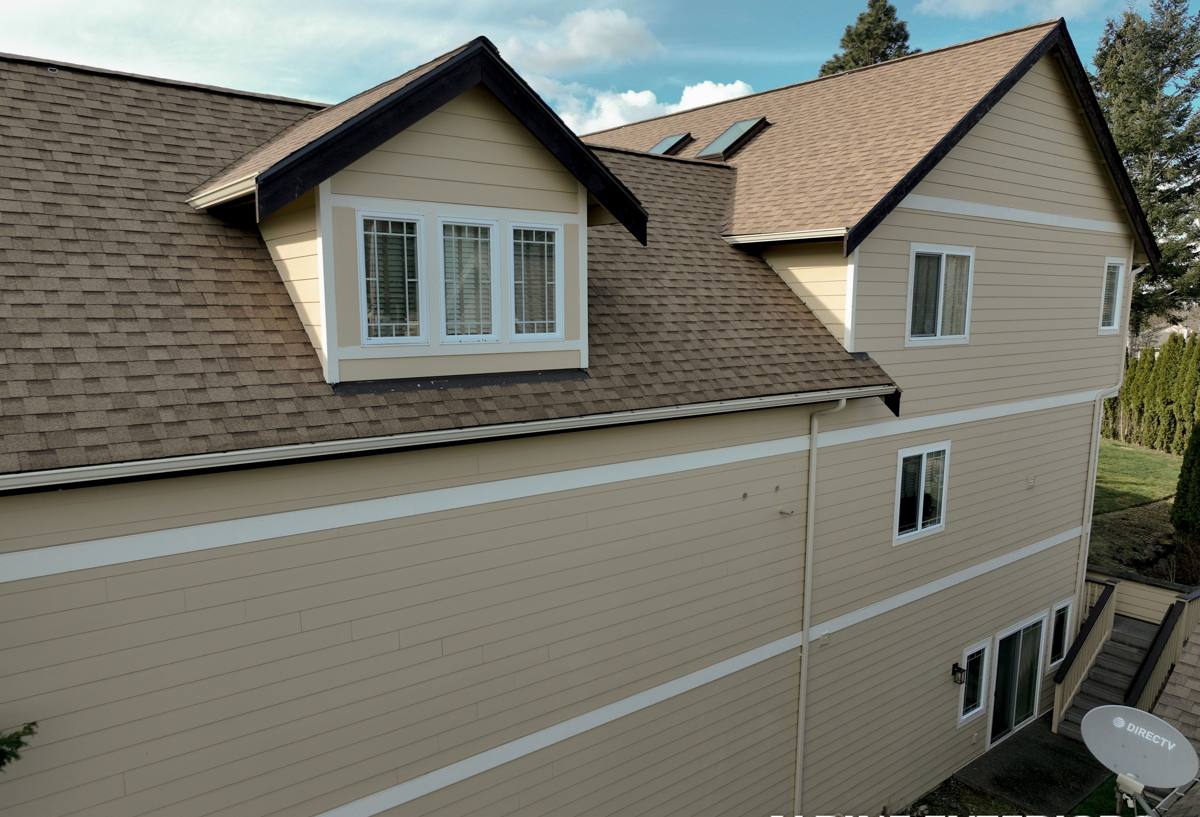
Pinellas Point sits on a peninsula tip surrounded by water on three sides, which means homes here take the full brunt of what Tampa Bay weather throws at them. If you're a homeowner researching window replacement in this part of St. Petersburg, you already know your windows aren't just cosmetic — they're one of the main things standing between your house and the outside during a bad storm, a stretch of August heat, or a slow salt-air grind that never really stops. This page covers what window replacement actually involves for homes in Pinellas Point, what to look for in the products themselves, and how a local crew that already works this area handles the job.
Why Pinellas Point's Location Changes the Equation
Not every neighborhood in Pinellas County faces the same conditions, and Pinellas Point's near-peninsula position puts it closer to open water than most inland St. Petersburg neighborhoods. That proximity matters for windows in a few specific ways:
Wind and Storm Exposure
Being close to the water means less buffer from tree cover and structures that would otherwise slow down wind. During hurricane season, homes here can see sustained wind loads and wind-driven rain that push harder against window assemblies than what a more sheltered inland property experiences. Windows that aren't rated for the pressures involved — or that were installed without proper attention to the rough opening and flashing — are where storm damage tends to start.
Salt Air and Corrosion
Proximity to Tampa Bay means a steady low-level exposure to salt in the air, even without a direct ocean view. Salt air accelerates corrosion on hardware, fasteners, and lesser-quality aluminum components. Over years, this shows up as pitted or seized locks, stained frames, and hardware that stops functioning smoothly well before the glass itself has any problem.
UV and Heat Load
Florida's near year-round sun does two things to windows: it degrades certain frame materials and seals faster than in milder climates, and it drives up cooling costs through unshaded glass. A window that isn't built with UV-stable materials and a decent low-E coating will show its age in Pinellas Point faster than the same product would somewhere with less sun exposure.
What a Correct Window Replacement Job Involves
Window replacement sounds simple — pull the old one out, put a new one in — but the parts that actually determine how the window performs over the next 15-20 years happen in the details most homeowners never see.
The Rough Opening
Every opening in an older St. Petersburg home has its own quirks: settling, old caulk residue, wood that's absorbed moisture over decades, or a frame that's slightly out of square. Before a new window goes in, the opening needs to be checked for level, plumb, and square, and any rot or deterioration needs to be addressed — not covered over.
Flashing and Water Management
This is the single most common place cheap installs fail. Proper flashing directs water that gets past the exterior finish back out, rather than into the wall cavity. In a neighborhood that sees wind-driven rain regularly, a window installed without correct flashing can look fine for a year or two and then start causing hidden water damage that's expensive to find and fix.
Sealing and Insulation
The gap between the window frame and the rough opening needs to be filled with the right materials — not just caulk on the outside, but proper backer rod and sealant, plus insulation in the cavity. Done wrong, you get drafts, energy loss, and a path for moisture and even pests to get in.
Fastening for Wind Load
Impact and wind-rated windows only perform to their rating if they're fastened according to the manufacturer's installation instructions and local code — correct fastener type, spacing, and embedment into structural framing, not just the nailing flange caught on trim.
Choosing the Right Window for This Neighborhood
Homeowners in Pinellas Point generally end up weighing a few real trade-offs, not a "best window" that applies to everyone.
Impact-Rated vs. Standard with Shutters
Impact-rated windows carry the design pressure and missile-impact resistance built into the glass and frame, so there's nothing to install or store before a storm. Standard windows paired with code-compliant shutters or panels cost less upfront on the window itself, but require you to actually deploy that protection every time a storm is coming, and depend on the shutter system being in good working order.
Frame Material
Vinyl frames handle Florida humidity well and don't corrode, but quality varies a lot between manufacturers — cheaper vinyl can warp or yellow under sustained UV. Aluminum frames are strong and slim-profile but need a good finish to resist the salt air common this close to the water. Fiberglass sits at a higher price point but holds up well against both heat and moisture with minimal expansion and contraction.
Glass Package
For this climate, a low-E coating and an appropriate tint or solar control package make a real difference in comfort and cooling bills, especially on west- and south-facing walls that take direct afternoon sun for most of the year.
Cost Factors for Pinellas Point Window Replacement
There's no single "price per window" that's honest to quote without seeing the house, but the factors that move the number are consistent. Below is what actually drives cost up or down on a typical project.
| Factor | Lower Cost Direction | Higher Cost Direction |
|---|---|---|
| Window rating | Standard, non-impact glass | Impact-rated, high design-pressure glass |
| Frame material | Standard vinyl | Fiberglass or premium aluminum |
| Opening condition | Sound framing, no rot | Rotted framing or out-of-square openings needing repair |
| Size and style | Standard single/double hung | Large picture windows, bays, or custom shapes |
| Number of openings | Whole-house replacement (per-unit pricing improves) | Single or few-window jobs |
| Access | Ground-floor, easy access | Second story, tight side-yard access |
Broadly, homeowners in this area should expect standard replacement windows to run in the low-to-mid hundreds of dollars per unit, with impact-rated and larger or custom units running well above that. The only way to get a number that means anything for your house is a measured, on-site estimate.
How Our Process Works
We keep the process straightforward because window replacement doesn't need to be mysterious.
1. Free On-Site Assessment
We look at your existing windows, the condition of the openings, and talk through what you're trying to solve — energy bills, storm protection, drafts, aesthetics, or all of it.
2. Product Selection
We walk through frame material, glass package, and impact vs. standard options based on your home's exposure and your budget, without pushing a single product as the only answer.
3. Detailed Written Estimate
You get a clear scope of work and price before anything is ordered — no surprise line items added mid-project.
4. Permitting
Window replacement in Pinellas County typically requires a permit, especially for impact-rated installations tied to wind-load code. We handle that paperwork rather than leaving it on you.
5. Installation
Proper removal of the old unit, opening prep, flashing, correct fastening, and sealing — done to the standard the product and the county's wind requirements call for, not just what's fast.
6. Final Walkthrough and Cleanup
We check operation on every window, clean up the work area, and go over care basics before we consider the job done.
Why a Crew That Already Works Pinellas Point Matters
A contractor who works this part of St. Petersburg regularly already knows the kinds of openings common in Pinellas Point's housing stock, understands the wind-load and permitting requirements Pinellas County applies, and has already worked through the logistics of tighter lots and water-adjacent job sites. That's not a small thing — a crew unfamiliar with local code or the area's specific exposure can miss details that only show up during the next storm.
Signs Your Windows Need Replacing, Not Repair
Not every window problem calls for full replacement. Use this checklist as a rough guide before deciding:
- Frames are soft, cracked, or show visible rot at the corners
- Hardware is corroded or seized shut from salt air exposure and won't smoothly lock or unlock
- You feel a draft or see daylight around the frame even when the window is closed and latched
- Glass is fogged or has visible moisture between panes, meaning the seal has failed
- Windows aren't rated for current wind-load requirements and you're relying entirely on shutters
- Energy bills have climbed and single-pane or older double-pane glass is the likely culprit
- Windows are original to a home built before more recent wind-load codes took effect
If you're only seeing one or two of these and the frame itself is sound, repair may be a reasonable interim step. If you're checking several boxes, replacement is usually the better long-term investment.
Maintaining New Windows in a Coastal-Adjacent Climate
Even good windows need some upkeep in this environment. Rinsing frames and hardware periodically helps cut down on salt buildup, especially after a period without rain. Keeping weep holes clear lets water drain properly instead of pooling. Checking seals and caulking annually — particularly after hurricane season — catches small gaps before they become bigger problems. None of this is heavy maintenance, but skipping it entirely shortens the life of even a well-installed, high-quality window in this climate.
Get a Free Estimate for Your Pinellas Point Home
If you're weighing window replacement for a home in Pinellas Point, the most useful next step is having someone look at your actual windows and openings rather than guessing from a general price list. We offer free, no-pressure estimates — fill out the form below and we'll walk you through what your home actually needs.