 St. Petersburg Window
 Why Pinellas Park Siding Wears Out Faster Than Homeowners Expect
Pinellas Park sits inland from the immediate coastline, but that doesn't shield it from what Gulf Coast weather does to a house. Salt-laden air moves across the whole Pinellas County peninsula from both Tampa Bay and the Gulf, and it settles on siding, trim, and fasteners the same way it does closer to the water — just a little slower. Add in the intense, nearly year-round UV exposure Florida is known for, seasonal tropical systems that bring hurricane-force wind gusts, and the wind-driven rain that comes with almost every serious storm, and you've got a climate that's genuinely hard on exterior materials.
Each of those forces attacks siding differently. UV breaks down pigments and resins in paint and factory finishes, which is why so many homes in this area show fading, chalking, or dulling years before a homeowner expects it. Wind-driven rain doesn't just wet the surface — it gets forced sideways and upward at seams, corners, and penetrations, finding any gap in flashing or caulking and working its way behind the siding. Salt air accelerates corrosion in exposed fasteners and metal trim, which is often the real reason a panel that looks fine suddenly comes loose. None of this means siding is a lost cause here — it means repairs have to be done with this specific climate in mind, not treated like a generic patch job.
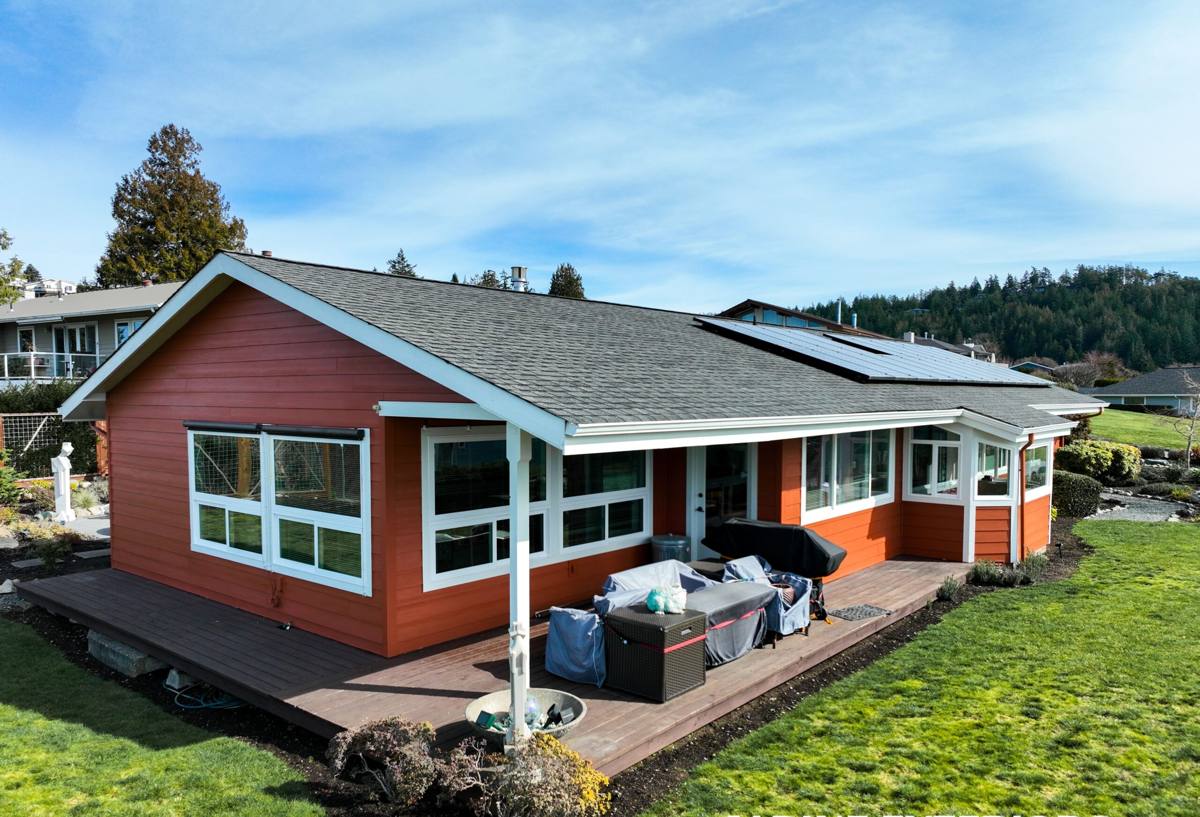
Common Signs a Pinellas Park Home Needs Siding Repair
Most siding problems give warning signs well before they become expensive ones. Here's what we look for, and what homeowners should keep an eye on between inspections:
- Cracked, split, or chipped panels, especially near corners and window trim
- Soft or spongy spots when pressed, which usually points to moisture damage underneath
- Buckling, waviness, or panels that look "rippled" from a distance
- Gaps at seams or lap joints that weren't there before
- Peeling, bubbling, or blistering paint, particularly on south- and west-facing walls
- Dark staining or streaking that keeps coming back even after cleaning
- Rust streaks below nail heads or trim fasteners
- Panels that flex or rattle in the wind, or feel loose to the touch
- Mold or mildew growth in shaded or poorly ventilated wall sections
When a Small Problem Signals a Bigger One
A cracked panel is rarely just a cosmetic issue. Once the outer surface is compromised, wind-driven rain has a direct path behind the siding, and that water doesn't evaporate quickly in Florida's humidity. Left alone, it can saturate the house wrap, sheathing, and even framing behind the wall. That's why a proper repair estimate always includes checking what's happening behind the damaged area, not just replacing what's visible.
What a Correct Siding Repair Actually Involves
There's a difference between a repair that lasts and one that just hides the problem for a season. Caulking over a crack or face-nailing a loose panel back down might look fine from the curb, but it doesn't address why the damage happened, and it usually fails again within a year or two in this climate.
A repair done correctly starts with removing the damaged section cleanly, then inspecting the house wrap and sheathing underneath for staining, softness, or rot. Any underlying moisture issue gets corrected before anything new goes back on the wall — installing new siding over a wet or compromised substrate just guarantees a repeat visit. The replacement material needs to match the existing profile and reveal so the wall reads as one continuous surface, not a visible patch. Flashing at horizontal joints and around penetrations like vents and hose bibs has to be reinstalled correctly, not just re-caulked, because caulk alone was never meant to be the primary water barrier. Fastening has to follow the pattern and spacing the wall actually needs to hold up to local wind loads, and the finish work — paint, sealant, color match — has to hold up to the same UV and humidity as everything else on the house.
Repair vs. Full Replacement: How We Help You Decide
Not every damaged section needs to become a full re-siding project, and not every repair is worth doing if the surrounding material is already near the end of its life. We walk through the same factors on every estimate:
| Factor | Leans Toward Repair | Leans Toward Replacement |
|---|---|---|
| Extent of damage | Isolated to one or two panels/areas | Scattered across multiple walls or elevations |
| Condition of surrounding siding | Sound, holding paint/finish well | Already fading, cracking, or aging out |
| Underlying moisture damage | None found, or minor and correctable | Sheathing or framing already compromised |
| Material match availability | Close match exists for the existing product | Product discontinued or color/profile can't be matched |
| Repair history | First repair in this area | Same section has failed more than once before |
We'll always give you a straight answer on which side of that table your home falls on, along with the honest reasoning behind it — not just the estimate that's easiest to sell.
Why Material Choice Matters Even for a "Simple" Repair
When a repair calls for replacing a full plank run or an entire wall section rather than a small patch, the material going up matters as much as the workmanship. This is a big part of why we standardized on James Hardie fiber cement siding for every full installation and larger repair we do, rather than mixing in vinyl, LP SmartSide, or other wood-based products. Hardie's fiber cement doesn't expand and contract with heat and humidity the way vinyl does, and it isn't vulnerable to moisture-driven rot the way engineered wood or untreated wood siding can be. Its ColorPlus factory finish is baked on under controlled conditions and holds color under intense, sustained Florida UV far better than field-applied paint, which matters on a peninsula where the sun works on a wall almost every day of the year. Hardie also offers HZ product lines specifically engineered for high-humidity, storm-prone climates like ours.
For a true spot repair on existing non-Hardie siding, we'll repair what's there correctly and match it as closely as the market allows — we're not going to tell a homeowner they need to replace an entire home over one damaged panel. But when a section keeps failing, when the damage is spread across a wall, or when the existing material simply isn't holding up to this climate anymore, we'll say so plainly and recommend transitioning that section to Hardie instead of continuing to chase repairs on a product that was never built for Gulf Coast conditions.
Our Siding Repair Process for Pinellas Park Homeowners
- On-site inspection of the damaged area and surrounding siding, including a moisture check wherever we can safely access behind the panels
- A written scope and estimate that explains our repair-vs-replace reasoning in plain language
- Protecting landscaping, walkways, and adjacent surfaces before any work starts
- Careful removal of the damaged material without disturbing sound siding nearby
- Inspection and repair of house wrap or sheathing underneath, if needed, before anything new goes up
- Installing correctly matched, properly flashed replacement material
- Fastening to spec for our local wind exposure, not just "however it holds for now"
- Finish work — caulking, sealing, paint or color matching — and full cleanup
- A walk-through so you can see and approve the finished work before we consider the job done
Why a Crew That Already Works Pinellas Park Matters
Siding repair isn't identical everywhere in Florida, and it isn't identical everywhere in Pinellas County either. A crew that regularly works in Pinellas Park has a feel for the kinds of siding and construction commonly found on homes here, from older wood and wood-composite siding to vinyl and fiber cement installed over the years, and knows what to expect when a wall gets opened up. That familiarity means fewer surprises mid-job and more accurate estimates up front.
Local experience also means understanding the permitting process through the appropriate local building department, knowing realistic timelines for curing and painting given regional humidity, and being available to respond promptly after a summer storm rolls through — not weeks later once a small leak has become a bigger repair. Hiring a contractor with no track record in this specific area often means paying for that learning curve yourself, in the form of delays, code corrections, or a repair that doesn't hold up the way it should.
Maintaining Repaired Siding in Pinellas County's Climate
A good repair should last, but a little upkeep keeps it that way. Rinse accumulated salt residue off exterior walls periodically, especially after long dry stretches followed by wind. Walk the exterior after any significant storm and look for new cracks, loosened trim, or fresh staining, since catching a problem early is always cheaper than letting wind-driven rain work on it for another season. Keep gutters clear and make sure downspouts direct water away from the foundation and walls rather than letting it pool and splash back onto lower siding courses. And don't ignore small caulking gaps around trim, windows, and penetrations — in this climate, they don't stay small for long.
If you're noticing any of the warning signs above, or you just want an honest opinion on whether your siding needs a repair or something more, we're happy to take a look. Reach out for a free, no-pressure estimate using the form below.