 St. Petersburg Window
 Fiber Cement Siding Built for Pinellas Park's Weather
Pinellas Park sits inland from the open Gulf but still takes the full brunt of what Pinellas County weather delivers each year: long stretches of intense UV, sudden wind-driven downpours, and salt-laden air that drifts in off Tampa Bay and the Gulf beaches. Add the very real risk of hurricane-force wind gusts during storm season, and it becomes clear why siding material choice matters more here than it does in most parts of the country. A product that performs fine in a mild inland climate can fail years early once it's exposed to Florida's combination of heat, humidity, and salt exposure.
We install fiber cement siding — specifically James Hardie fiber cement — on Pinellas Park homes because it's engineered to hold up against exactly this mix of conditions. This page covers what that means in practice: what local homes actually need from their siding, what a correctly executed installation looks like, and how our process works from first estimate to finished wall.
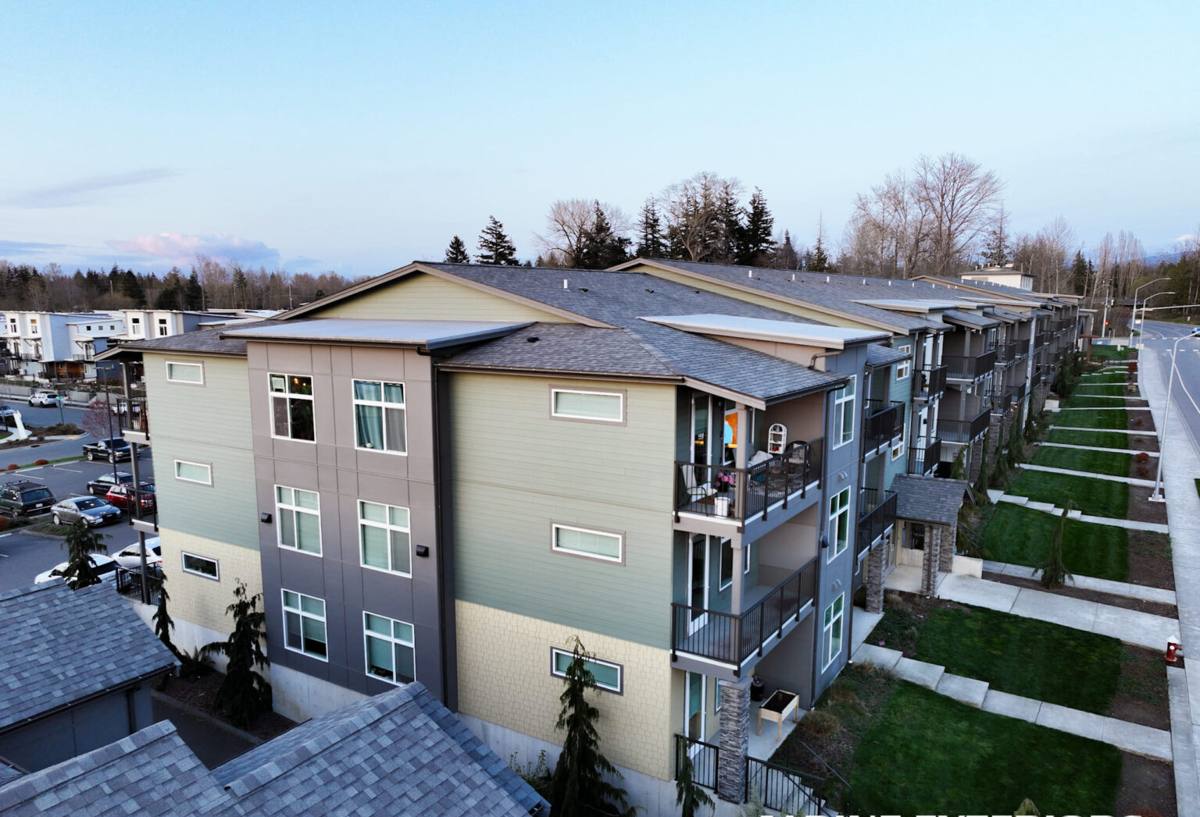
What Pinellas Park Homes Need From Their Siding
Before talking about materials or installation steps, it helps to understand the specific stresses a Pinellas Park exterior wall is under:
- UV exposure: Florida sun is intense and nearly year-round. Paint and coatings that would last a decade in a northern climate can chalk, fade, or crack in half that time here.
- Wind-driven rain: Storms in this region rarely fall straight down. Rain gets pushed sideways into siding seams, trim joints, and penetrations, which means water management behind the siding matters as much as the siding itself.
- Salt air: Even well inland from the beach, airborne salt corrodes metal fasteners and accelerates the breakdown of materials that aren't rated for coastal exposure.
- Wind load: Pinellas County's building code reflects real hurricane risk. Siding has to be fastened and rated to withstand sustained high winds without lifting, cracking, or blowing off.
- Humidity and moisture cycling: Florida's humidity means siding and the assembly behind it are almost always damp to some degree. Materials that absorb and swell with moisture are fighting a losing battle here.
Fiber cement, and James Hardie's HZ5 formulation specifically, is engineered around these exact conditions. It's a cement-based composite, not wood or wood-derived material, so it doesn't swell, rot, or feed pests the way wood-based sidings can. It's also non-combustible, which matters for insurance and peace of mind, and it holds paint and factory finishes far longer than most alternatives because it doesn't move with humidity the way wood products do.
Why We Install James Hardie Only
We don't install LP SmartSide, vinyl siding, Cemplank, Allura, or primed wood products like spruce or cedar. That's a deliberate standard, not a sales pitch, and it's worth explaining honestly. Vinyl is inexpensive and easy to install, but it softens and can warp under sustained heat and direct sun exposure, and it isn't rated to stand up to hurricane-force winds the way fiber cement is. Wood-based composite sidings like LP SmartSide use engineered wood strand technology that performs well in many climates, but wood-based products are inherently more vulnerable to Florida's humidity and moisture cycling than a cement-based product, and any breach in the factory coating opens the door to swelling and deterioration. Other fiber cement brands, like Cemplank and Allura, are legitimate cement-based products, but James Hardie's ColorPlus factory finish, HZ5 climate-specific formulation, and transferable warranty structure are the combination we've found most reliable over the long run, and it's what we're willing to put our name behind on Pinellas Park homes.
This means when you hire us for fiber cement siding, you're getting one product line, installed by a crew that specializes in it — not a menu of materials where we're guessing which will hold up locally.
James Hardie Product Lines We Work With
- HardiePlank lap siding — the most common residential profile, available in smooth or cedar-textured finishes.
- HardiePanel vertical siding — used for accent walls, gables, and modern facade styling.
- HardieShingle siding — a shingle-style profile for homes that want that look without the moisture vulnerability of real wood shingles.
- HardieTrim boards — matching trim for corners, windows, and fascia so the whole exterior system is consistent.
What a Correct Fiber Cement Installation Actually Involves
Fiber cement siding is only as good as its installation. Because it's a rigid, cement-based material, it has specific handling and fastening requirements that differ from vinyl or wood — and skipping steps is exactly how a good product ends up performing poorly.
Moisture Management Comes First
Before a single piece of siding goes up, the wall needs a properly installed weather-resistant barrier and correctly flashed openings around windows, doors, and any wall penetrations. In a climate where wind-driven rain is routine, this layer is what actually keeps water out of the wall assembly — the siding itself is the second line of defense, not the only one.
Fastening and Clearances
James Hardie specifies exact fastener types, spacing, and embedment depth, along with minimum clearances from grade, roofing, and decking. These aren't arbitrary — they're what keeps the siding rated for high-wind performance and prevents the wicking of moisture at the bottom edge, which is one of the most common failure points on improperly installed siding.
Joints, Caulking, and Paint
Seams and butt joints need to be treated correctly — properly sized gaps, correct sealant where specified, and touch-up painting on cut edges so raw material isn't left exposed to Florida humidity. A factory-finished ColorPlus board that gets a sloppy field cut without touch-up is a maintenance problem waiting to happen.
Common Installation Mistakes We See
- Face-nailing at the wrong spacing or missing studs entirely, weakening wind resistance
- Siding installed too close to grade, roof lines, or decking, inviting moisture wicking
- Skipped or poorly lapped weather-resistant barrier behind the siding
- Unsealed or uncaulked joints left exposed to wind-driven rain
- Cut edges left unpainted, exposing raw fiber cement to the elements
Our Process for Pinellas Park Fiber Cement Projects
- On-site assessment: We walk the home, check the condition of the existing siding and sheathing, and identify any moisture damage or rot that needs addressing before new siding goes up.
- Estimate and product selection: We walk you through HardiePlank, HardiePanel, or HardieShingle options, profile and texture choices, and ColorPlus finish colors, with a clear written estimate.
- Tear-off and prep: Old siding comes off, sheathing is inspected and repaired as needed, and any damaged framing is addressed before we move forward — not covered up.
- Weather barrier and flashing: A new weather-resistant barrier goes on, with flashing correctly installed at every window, door, and penetration.
- Siding installation: Fiber cement is installed to James Hardie's fastening, spacing, and clearance specifications, with attention to the details that hold up under Gulf Coast wind and rain.
- Trim, caulking, and finish work: Trim boards, joint treatment, and touch-up painting on any field cuts finish the job so the whole system is sealed and consistent.
- Final walkthrough: We review the completed work with you before considering the project done.
Cost Factors: What Affects Your Pinellas Park Siding Estimate
Every home is different, so we don't publish blanket pricing, but these are the main factors that move a fiber cement siding estimate up or down:
| Factor | Why It Matters |
|---|---|
| Home size and wall complexity | More square footage, gables, and architectural detail mean more material and labor |
| Condition of existing sheathing | Rot or moisture damage found during tear-off adds repair scope before siding can go on |
| Product line and profile | HardiePlank, HardiePanel, and HardieShingle carry different material and labor costs |
| ColorPlus finish vs. field-painted | Factory-applied ColorPlus finish costs more upfront but reduces future repainting |
| Trim and accessory scope | Full trim replacement adds cost but keeps the whole exterior system consistent and warrantied |
| Access and site conditions | Multi-story sections, tight lot lines, or landscaping obstacles can affect labor time |
Why It Matters to Hire a Crew That Already Works in Pinellas Park
Siding installation standards written for a national market don't automatically account for local code requirements, typical framing conditions in older Pinellas County neighborhoods, or the wind-rating expectations that matter here. A crew that regularly works Pinellas Park homes already understands the permitting process locally, knows what to look for when older sheathing comes off, and installs to the wind and moisture standards this climate actually demands — not just the manufacturer's baseline minimum. That local familiarity is the difference between siding that looks right on installation day and siding that's still performing correctly after its first few hurricane seasons.
Maintaining Your Fiber Cement Siding
Fiber cement is low-maintenance compared to wood, but "low-maintenance" doesn't mean "no maintenance." A simple annual routine keeps a correctly installed system performing for decades:
- Rinse siding periodically to clear salt residue and airborne grime, especially on homes closer to the water
- Inspect caulking at joints, trim, and penetrations yearly and re-seal if it's cracked or pulling away
- Check for any cut edges or fastener heads that have lost their paint coverage and touch up promptly
- Keep gutters and downspouts clear so water isn't sheeting down the siding face
- Trim back landscaping so foliage isn't holding moisture against the wall
If your Pinellas Park home's siding is aging, storm-damaged, or you're planning a renovation, we're happy to walk the property and give you an honest, no-pressure assessment of what it would take to do the job right with James Hardie fiber cement. Reach out using the form below to schedule a free estimate.