 St. Petersburg Window
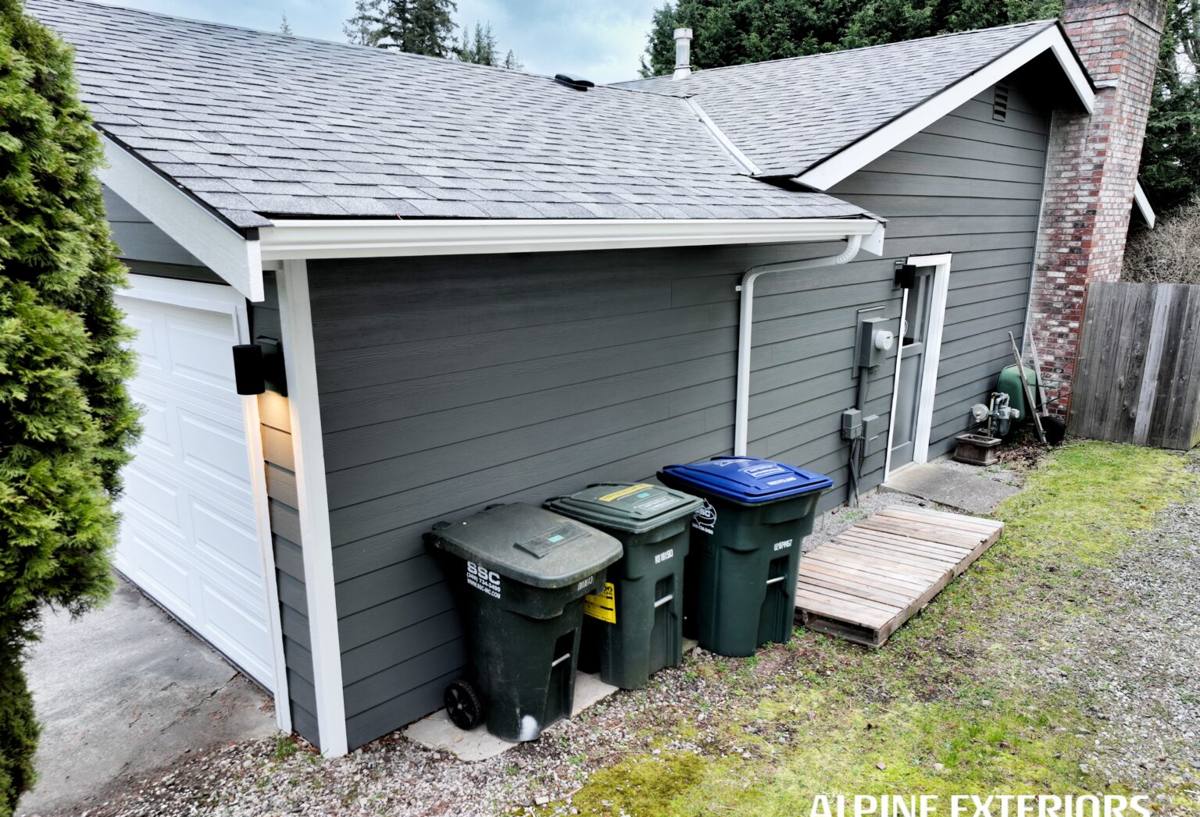
 Siding Built for Old Northeast's Older Housing Stock
Old Northeast is one of St. Petersburg's older established neighborhoods, and that shows in the homes: bungalows, Mediterranean Revivals, colonial revivals, and mid-century houses built well before modern siding materials existed. Many still carry original wood siding, decades-old aluminum, or a patchwork of repairs from prior owners who never addressed the underlying problem. When we install siding in this neighborhood, we're rarely dealing with a blank slate — we're dealing with older framing, older window and door openings, and trim details that were part of what gave these homes their character in the first place.
That combination matters. A siding installer who treats every house the same way will either strip away the details that make an Old Northeast home look like it belongs there, or they'll install a modern product without addressing the moisture and structural issues hiding underneath the old siding. Getting this right takes both technical correctness and a willingness to slow down around the trim, the eaves, and the transitions where the house's age actually shows.
What St. Petersburg's Climate Does to Siding
Pinellas County sits on a peninsula, and Old Northeast is close enough to the water that salt air is a constant factor, not an occasional one. Add in Tampa Bay's intense year-round UV exposure, wind-driven rain during summer storms, and the real possibility of hurricane-force winds, and you have a climate that is genuinely hard on exterior building materials.
- Salt air accelerates corrosion of fasteners and metal components, and it degrades cheaper paint finishes faster than inland climates.
- UV exposure breaks down pigments and surface coatings, which is why siding that looks great for two years can look chalky and faded by year five if the finish isn't rated for it.
- Wind-driven rain pushes water sideways into laps, seams, and trim joints that would stay dry in a gentler climate — this is where poor installation shows up first, usually as staining or soft spots.
- Hurricane-force wind tests the fastening schedule and the product's wind-load rating directly. Siding that's rated for a mild climate, or installed loosely to save labor, is the first thing to fail in a real storm.
None of this is unique to Old Northeast, but the neighborhood's tree canopy and proximity to the bay put a slightly different stress pattern on siding than you'd see further inland — more shade-and-moisture cycling on some elevations, more direct salt and UV exposure on others.
Why We Only Install James Hardie Fiber Cement
We standardized on James Hardie siding for every job we do, including here in Old Northeast, and we don't install vinyl, LP SmartSide, Cemplank, Allura, or unprimed wood species like spruce or cedar. That's not a marketing position — it's a decision based on what actually holds up under Pinellas County conditions over the long run.
Hardie's fiber cement is non-combustible, which matters on older lots where homes sit closer together than modern builds allow. It's dimensionally stable, so it doesn't expand and contract the way vinyl and some engineered wood products do under Florida's heat swings, which keeps seams tighter over time. James Hardie also engineers specific product lines for humid, high-UV, coastal climates — the HZ5 line is built for exactly the conditions St. Petersburg sees. The factory-applied ColorPlus finish is baked on and warranted against fading and chipping, which addresses the UV problem directly instead of relying on field-applied paint that will need recoating on a shorter cycle. And the warranty is transferable, which matters to buyers when an Old Northeast home changes hands, as many in this walkable, desirable neighborhood do.
We're not going to tell you every other siding product is worthless — vinyl is inexpensive and low-maintenance in mild climates, LP SmartSide has real fans, and cedar has genuine curb appeal. But for the wind, salt, and UV load this area sees, we've made the call that fiber cement from a manufacturer that engineers specifically for this climate is what we're willing to put our name on.
How Hardie Compares to What We Won't Install
| Factor | James Hardie Fiber Cement | Vinyl | LP SmartSide / Engineered Wood | Unprimed Cedar / Spruce |
|---|---|---|---|---|
| Salt air / coastal durability | Engineered HZ5 line for humid, coastal climates | Can become brittle and discolored over time | Vulnerable to moisture intrusion at cut edges | High maintenance burden, prone to rot near the coast |
| Wind resistance | Heavy, rigid panels rated for high wind zones | Lighter material, more prone to wind damage | Moderate, dependent on proper sealing | Dependent on fastening and board condition |
| UV / fade resistance | Factory ColorPlus finish, warranted against fading | Can fade and chalk under intense sun | Field-applied finishes fade faster | Needs frequent refinishing |
| Fire performance | Non-combustible | Combustible | Combustible | Combustible |
| Long-term maintenance | Low — periodic cleaning, no repainting cycle needed | Low, but limited repair/color options | Moderate — moisture monitoring at seams | High — recurring painting and sealing |
What a Correct Siding Installation Involves
Siding is only as good as what's underneath it and how it's fastened, and this is where a lot of jobs — including some prior work we find underneath old siding in this neighborhood — cut corners.
Tear-Off and Inspection
We remove the existing siding and inspect the sheathing and framing underneath before anything new goes up. On older Old Northeast homes this step regularly turns up soft or water-damaged sheathing, old fastener patterns that don't match current wind-load requirements, or gaps around window and door openings that have been letting moisture in for years. Any of that gets addressed before we move forward — installing new siding over compromised sheathing just hides the problem for a while.
Weather Barrier and Flashing
A correctly installed weather-resistant barrier, with properly integrated flashing at every window, door, and roofline intersection, is what actually keeps wind-driven rain out of the wall assembly. This is the part of the job that's invisible once the siding is up, which is exactly why it's the part most likely to get shortcut by installers trying to move fast.
Fastening Schedule
James Hardie specifies fastener type, spacing, and placement based on the product line and the wind zone the home sits in. St. Petersburg's exposure to hurricane-force wind means the fastening schedule isn't optional or approximate — it's engineered, and it's what determines whether the siding stays attached in a real storm rather than just looking fine on a calm day.
Trim and Detail Work
This is where Old Northeast's architecture asks more of an installer. Matching existing corner boards, window trim profiles, and eave details takes more time than a straightforward new-construction install, but it's what keeps a home's original character intact instead of flattening it out with generic trim.
Our Process for Old Northeast Projects
- On-site assessment — we walk the exterior, note the architectural details worth preserving, and check for visible signs of moisture or structural issues.
- Tear-off and sheathing inspection — old siding comes off, and we address anything we find underneath before moving forward.
- Weather barrier and flashing installation — the moisture-management layer goes in correctly, with attention to every penetration and transition.
- Hardie installation to spec — fastening schedule, clearances, and joint treatment follow James Hardie's published requirements for this wind zone.
- Trim and detail matching — corner boards, window casings, and eave details are finished to match the home's existing style where that's the goal.
- Final walkthrough — we go over the finished work with you before considering the job complete.
Why Local Experience in Old Northeast Matters
A crew that has worked in this neighborhood before knows what's usually hiding under 1920s and 1930s siding, understands how to match trim profiles without a from-scratch fabrication process every time, and has already worked through the practical realities of a dense, tree-lined neighborhood — tight lot lines, mature landscaping to protect, and homes close enough together that debris control and noise matter to the neighbors. That experience shows up in fewer surprises mid-project and a finished result that respects the house's original design instead of working against it.
It also matters for permitting and code compliance. St. Petersburg and Pinellas County have wind-load and building code requirements tied to the area's hurricane exposure, and a crew that regularly pulls permits in this jurisdiction moves through that process without it becoming a delay on your project.
Signs Your Old Northeast Home May Need Siding Attention
- Visible warping, cracking, or separation at seams and corners
- Paint that's peeling, bubbling, or failing faster than a normal repaint cycle would suggest
- Soft spots when you press on wood or engineered wood siding
- Staining or streaking below window sills and trim joints, a sign of water intrusion
- Visible fastener corrosion or rust streaks running down the siding
- Rising energy bills that may point to a compromised weather barrier behind the siding
If you're weighing a siding project on your Old Northeast home, we're glad to take a look and walk you through what we find — no pressure, no obligation. Reach out for a free estimate using the form below.