 St. Petersburg Window
 Building a Deck That Belongs in Old Northeast
Old Northeast is one of the more established, tree-lined neighborhoods in St. Petersburg, and the homes here tend to have real character — older bungalows, Mediterranean and colonial revival styles, and a mix of renovated and original construction. A custom deck in this neighborhood has to do two things well: hold up to a genuinely tough Gulf Coast climate, and look like it was designed for the house it's attached to, not bolted on as an afterthought. We build decks for homeowners throughout Pinellas County, and Old Northeast projects come with their own set of considerations that a generic, one-size-fits-all deck package usually misses.
This page covers what we've learned building and repairing decks in this part of St. Petersburg — what the climate does to different materials, what older homes need structurally, and how we run the project from first visit to final walkthrough.
What This Climate Does to an Outdoor Deck
St. Petersburg sits close to the water, and that shapes almost every decision on a deck project. Four things do most of the damage over time:
- Hurricane-force wind: Pinellas County sees tropical storms and hurricanes on a regular basis, and an under-built deck structure — thin ledger attachment, undersized footings, missing hardware — is one of the first things to fail in a wind event.
- Intense, year-round UV: Florida sun is stronger and more constant than most of the country gets. UV breaks down wood fibers, fades stains and finishes, and degrades some composite and plastic products faster than their warranty paperwork implies.
- Wind-driven rain: Storms here rarely fall straight down. Rain gets pushed sideways into ledger boards, fascia, and any horizontal-to-vertical transition, which is exactly where rot and hidden water damage start.
- Salt air: Even a few miles inland from Tampa Bay, salt in the air accelerates corrosion on fasteners, brackets, and any exposed metal hardware — long before the decking itself shows wear.
None of this means a deck can't last in St. Petersburg. It means the design, the materials, and the hardware all have to be chosen with these four forces in mind, not just picked off a catalog page.
Older Homes, Specific Structural Needs
Working With Existing Framing and Foundations
A lot of homes in Old Northeast were built decades ago, sometimes with additions or porch conversions layered on over the years. That means the wall or structure a new deck ties into isn't always modern dimensional lumber on a poured slab — it can be older framing, a mix of repair work from different eras, or a foundation that needs to be evaluated before we attach anything to it. We check what we're actually building against before we design the ledger connection or footing layout, rather than assuming a standard detail will work.
Matching the Neighborhood's Character
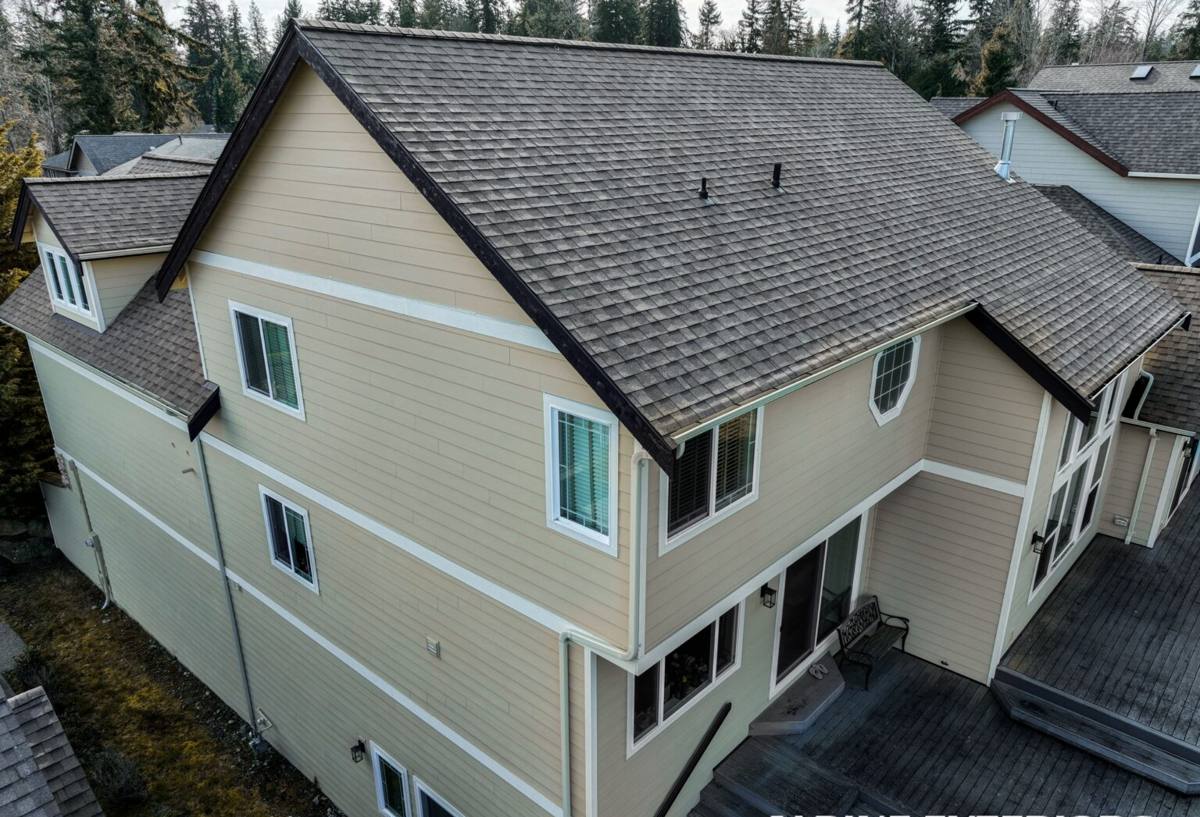
Old Northeast has a distinct look, and a deck that reads as a mismatched add-on hurts curb appeal even if it's built well. We pay attention to railing style, decking color and board width, and how the deck's footprint relates to the house's existing roofline and windows, so the finished structure looks like it was part of the original design intent, not a project stapled on later.
Choosing a Decking Material for This Climate
There's no single "best" decking material — there's a best material for your budget, your maintenance appetite, and how close you are to salt spray and full sun exposure. Here's how the common options compare for a St. Petersburg backyard:
| Material | Upfront Cost | Maintenance | Salt/Humidity Behavior | Typical Lifespan |
|---|---|---|---|---|
| Pressure-treated pine | Lowest | High — needs regular sealing/staining | Prone to cupping and splintering if not maintained | 10–15 years with upkeep |
| Tropical hardwood (ipe, cumaru, etc.) | High | Moderate — periodic oiling to hold color | Naturally dense and rot-resistant | 25+ years |
| Capped composite | Mid-to-high | Low — occasional washing | Good; avoid uncapped composite near salt air | 20–30 years |
| PVC decking | Highest | Lowest | Excellent — doesn't absorb moisture | 25–30+ years |
We steer most Old Northeast clients away from uncapped, budget composite boards in this location specifically — early composite formulations can absorb moisture at the cut ends and along the surface over time, and salt air speeds that up. Capped composite or PVC solves that trade-off but costs more up front. There's no wrong answer here as long as you know the maintenance commitment you're signing up for.
Structural Details That Actually Matter
Fasteners and Hardware
This is where a lot of decks fail early in a salt-air environment, and it's invisible until it isn't. We use stainless steel or coated, corrosion-rated hardware for ledger bolts, joist hangers, and structural screws — not standard galvanized fasteners that look fine for a year or two and then start rusting from the inside of the connection out.
Wind Load and Attachment
Every deck we build accounts for wind uplift and lateral load, not just the static weight of furniture and people. That means proper ledger-to-house attachment (flashed correctly so water doesn't get behind it), footings sized for the soil and structure, and railing posts anchored to actually resist a storm, not just building-code minimums on paper.
Permitting in St. Petersburg
Deck construction in the city, and in unincorporated Pinellas County, requires a permit and an inspection process. We handle the permit application and coordinate inspections as part of the job — it's not an optional add-on. Skipping this step is one of the more common corners cut by unlicensed crews, and it can come back to bite a homeowner at resale or with insurance.
Our Process for an Old Northeast Deck Project
- Site visit and assessment: we look at the existing structure (or bare yard), grade, drainage, and what the deck will tie into.
- Design and material selection: layout, railing style, and decking material chosen around your budget and how much upkeep you want to do.
- Written proposal: a clear scope and price before anything is signed — no vague allowances that turn into change orders later.
- Permitting: we pull the permit and schedule required inspections.
- Construction: footings, framing, decking, and railing, built to withstand this climate, not just pass a walkthrough.
- Final walkthrough: we go over the finished deck together and cover basic care before we consider the job done.
Living With a Deck in a Salt Air, High-UV Climate
Whatever material you choose, a St. Petersburg deck needs a maintenance rhythm that a deck in a milder climate doesn't. Wood needs re-sealing on a schedule, not "whenever it starts looking rough." Composite and PVC need regular washing to keep salt residue and mildew from building up in the surface texture. Metal hardware and railing brackets are worth a visual check after any major storm, since that's when a loose connection or early corrosion shows up first. A few minutes of attention a couple of times a year is a lot cheaper than a structural repair five years in.
Signs an Existing Deck Needs Attention
- Soft or spongy spots underfoot, especially near the ledger board or stairs
- Rust streaks bleeding from screw heads or brackets
- Boards that have cupped, split, or pulled away from fasteners
- Railing posts that flex or feel loose when pushed
- Gaps or separation where the deck meets the house
Any of these are worth a professional look before they turn into a full rebuild.
What Drives Deck Cost in This Neighborhood
| Cost Factor | Why It Matters Here |
|---|---|
| Deck size and shape | Multiple levels, angles, or built-in seating add labor and material beyond a simple rectangle |
| Decking material | Pressure-treated, hardwood, composite, and PVC span a wide price range, as shown above |
| Height off grade | Taller decks need more substantial footings, framing, and stair/railing work |
| Existing structure condition | Older homes sometimes need foundation or wall repair before a ledger can attach safely |
| Railing and finish details | Cable rail, custom post caps, and built-ins add cost beyond standard baluster railing |
| Permitting and inspections | Required by the city/county and included in a properly run project — not a corner to cut |
We'll walk through where your project falls on this list during the estimate, with real numbers for your specific yard rather than a generic per-square-foot quote.
Why Hire a Crew That Already Works in Old Northeast
Decks in this neighborhood have a lot in common with each other — older home connections, similar exposure to wind and salt off the bay, and a shared architectural character worth respecting. A crew that's already worked on homes like yours in this part of St. Petersburg isn't guessing at what the older framing looks like behind the siding, or what hardware actually holds up here versus somewhere inland. That familiarity shows up in fewer surprises during construction and a deck that's built for the conditions it actually has to survive, not generic textbook conditions.
If you're planning a new deck or replacing one that's past its prime, we're happy to take a look and talk through what makes sense for your home and budget. Fill out the form below for a free, no-pressure estimate — we'll walk the property, answer questions, and give you a straight assessment either way.