 St. Petersburg Window
 Board & Batten in a Neighborhood Where the Look Matters
Old Northeast is one of the more architecturally distinct pockets of St. Petersburg — a historic neighborhood of early-20th-century bungalows, Mediterranean Revival homes, and colonial-style construction under a mature tree canopy. Board and batten siding fits naturally here: the vertical board pattern with raised battens covering each seam has been a staple of Florida coastal and craftsman architecture for a century, and it reads as authentic rather than trendy on the kind of homes that make up this part of the city.
That said, "it looks right" isn't the whole job. A board and batten installation in Old Northeast has to survive the same Gulf Coast climate as every other exterior in Pinellas County, and it has to be installed correctly on a home that's often 60, 80, or more years old, with framing and sheathing conditions that don't match new construction. This page covers what that actually takes.
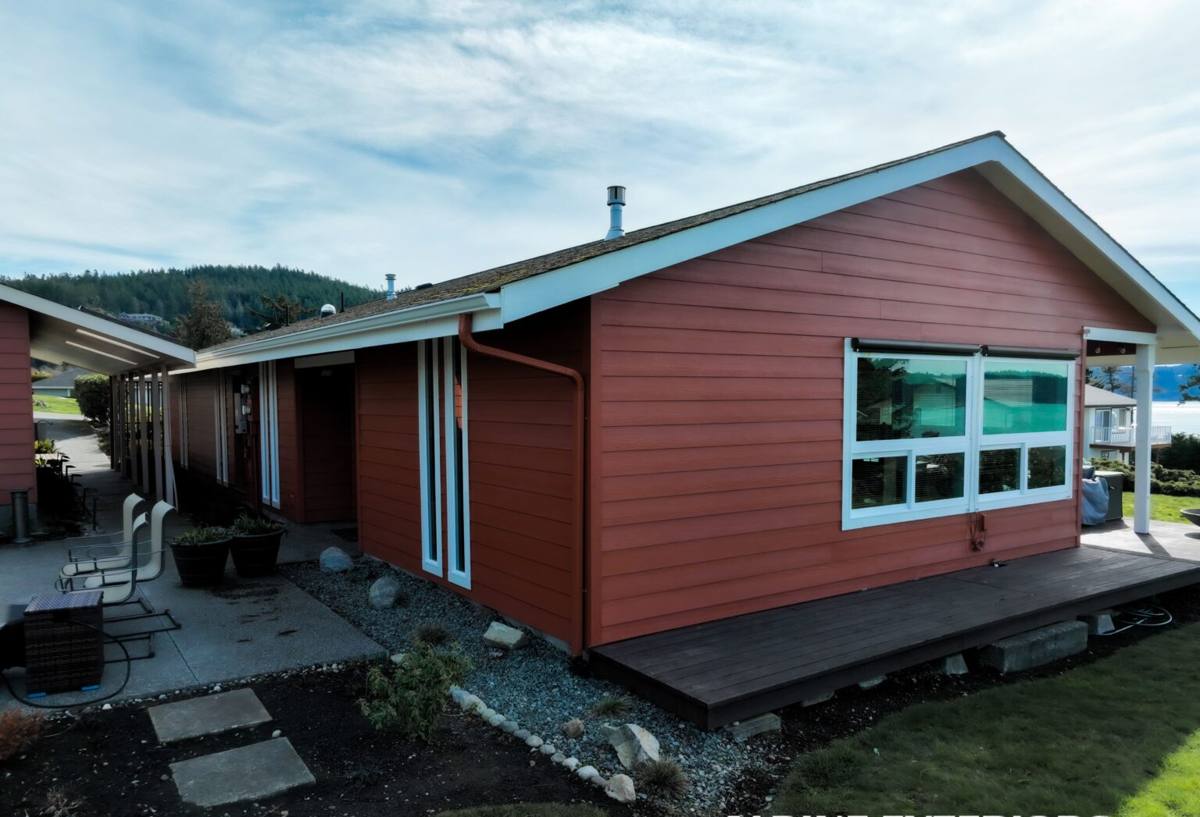
What St. Petersburg's Climate Does to Board & Batten Siding
Board and batten has more seams and more vertical joints than lap siding, which means more places for water and wind to find a weakness if the installation isn't done to spec. In this part of Pinellas County, three things work against it constantly:
Wind-driven rain
St. Petersburg sees regular tropical storm systems and the occasional direct hurricane threat, and even routine summer squalls come in sideways off the bay. Water doesn't just fall on board and batten siding here — it's pushed into every batten joint and panel seam under pressure. If there's no drainage plane behind the panels, moisture that gets past the surface has nowhere to go and ends up in the wall assembly.
Year-round UV exposure
Florida's sun load is intense for most of the year, and it's hardest on whatever finish is on the siding. Field-applied paint on wood or fiber cement board and batten fades and chalks faster here than in most of the country, which is one of the biggest maintenance differences between products, covered below.
Salt air
Old Northeast sits close to Tampa Bay, and salt-laden air corrodes exposed fasteners and accelerates wear on anything not built for a coastal environment. Fastener choice and coating matter as much as the siding material itself.
Why the Material Choice Matters More Here Than Most Places
We install James Hardie fiber cement exclusively — we don't do vinyl, LP SmartSide, primed spruce, or cedar board and batten. That's not a marketing line, it's a standard we hold because of what we've seen these products do (and not do) in a climate like this one over time. Here's the honest comparison for board and batten specifically:
| Factor | James Hardie Fiber Cement | Wood (cedar/spruce) | Vinyl |
|---|---|---|---|
| UV / fade resistance | ColorPlus factory finish is baked on and warranted against fading | Field paint fades and needs recoating on a cycle | Color is molded through, but can chalk and yellow under constant sun |
| Moisture behavior | Non-organic, won't rot; still needs proper drainage detailing | Absorbs moisture, prone to rot/cupping at seams if not maintained | Doesn't rot, but panels can warp or buckle in heat |
| Wind performance | Rated for high wind loads when installed to fastening spec | Performance depends heavily on fastening and board condition | Can crack or blow off in sustained high wind if under-fastened |
| Fire behavior | Non-combustible | Combustible | Combustible, can melt/deform near heat sources |
| Maintenance | Occasional wash; no repainting on the ColorPlus schedule | Repainting/staining every few years, joint recaulking | Low, but color and rigidity degrade with age and heat |
Wood board and batten can look great and plenty of homeowners love it, but on a Gulf Coast exterior it's a real maintenance commitment — repainting, caulk inspection, and watching for rot at every batten joint. Vinyl board and batten profiles exist, but panel rigidity and heat tolerance are the trade-off in a market where surface temperatures on a sun-facing wall get genuinely high. James Hardie's fiber cement system, installed with the HZ5 climate-engineered product line appropriate for this region, is what we've settled on as the right balance of appearance, durability, and low long-term maintenance for board and batten specifically.
What a Correct Board & Batten Installation Actually Involves
Board and batten fails early almost exclusively because of installation shortcuts, not because the material was wrong. On an older Old Northeast home, the details matter even more because the substrate underneath is rarely as flat or as sound as new-construction sheathing. A correct job includes:
- Inspection and repair of the wall sheathing before any siding goes on — rot, soft spots, and old fastener holes get addressed first, not covered up
- A continuous weather-resistive barrier installed and lapped correctly, with all penetrations flashed
- A drainage/furring gap behind the panels so any moisture that gets past the surface can drain and dry instead of sitting against the wall
- Fastener spacing, type, and embedment that match James Hardie's published installation instructions for this wind and climate zone — not a generalized pattern
- Battens set and fastened per spec, not just for visual spacing, since the batten is doing real structural covering work over the panel seam
- Correct clearance at grade, roofline, and any horizontal trim so the bottom edge isn't sitting in standing water or mulch
- Proper joint treatment at inside/outside corners and around window and door openings
Skip any one of these and the siding may look fine for a year or two before the real problems — trapped moisture, fastener pull-through in high wind, edge swelling — start to show.
Our Process on an Old Northeast Board & Batten Project
We treat every board and batten job on an older home as a wall-assembly project, not just a siding swap:
- On-site assessment — we look at the existing siding, sheathing condition, and any moisture history before quoting anything
- Removal and substrate repair — old siding comes off, and any compromised sheathing or framing gets repaired, not just wrapped over
- Weather barrier and drainage plane — installed to current best practice, appropriate for wind-driven rain exposure this close to the bay
- James Hardie board and batten installation — panels and battens fastened to the HZ5 spec for this region, with corner and trim detailing matched to the home's existing architectural lines where that's the goal
- Final inspection and cleanup — fastener lines, caulking, and finish checked before we call it done
Because the ColorPlus finish is applied at the factory under controlled conditions, there's no field-painting step and no waiting on weather to finish the job — which also means better, more consistent color and UV performance than anything painted on site.
Working in a Historic Neighborhood: Permitting and Access
Older neighborhoods like Old Northeast come with practical realities a crew that hasn't worked here doesn't always plan for: mature landscaping and root systems close to the foundation, narrower setbacks, on-street parking constraints, and in some cases architectural character to be mindful of when matching trim profiles or reveal spacing to the rest of the block. Permitting through the City of St. Petersburg is also part of the job on most siding replacements — we handle that as part of the scope rather than leaving it to the homeowner.
None of this changes the underlying installation standard, but it does change how a job gets planned and staged, and it's the kind of thing that goes smoother with a crew that's already done it on this side of town.
Maintenance After Installation
One of the practical advantages of James Hardie board and batten is how little ongoing work it asks for compared to wood. A rinse-down once or twice a year to clear salt residue and pollen, an occasional look at caulked joints around openings, and that's most of it — no repainting cycle, no annual rot inspection at the seams. That maintenance gap is a big part of why we point homeowners toward it over wood board and batten in a climate that's hard on painted surfaces.
Why a Crew That Already Works Old Northeast Matters
Board and batten installed to spec on paper and board and batten installed correctly on a specific house with specific site conditions aren't always the same thing. A crew that regularly works Old Northeast has already dealt with the older framing quirks, the drainage patterns of these lots, and the practical logistics of the neighborhood — which shows up as fewer surprises mid-project and a finished install that's actually built for how water, wind, and sun behave on this block, not a generic spec sheet.
If you're considering board and batten siding for a home in Old Northeast, we're happy to come take a look, walk the exterior with you, and put together a straightforward, no-pressure estimate — no obligation, just an honest assessment of what your home needs.